Today we went on a four hour walking tour of the island. Our guide was the fantastic David Allaway of Iona Trails Walking Tours. While I can’t begin to do justice to all the facts and stories David shared with us, I thought I would share one with you.
The history of Iona is long and complicated. Most of that history is centered around the Abbey, its rise and fall, starting in 563 A.D. However, there is archeological evidence of neolithic permenant settlers to the island for the last 5,000 years and migratory settlers for the last 10,000 years.
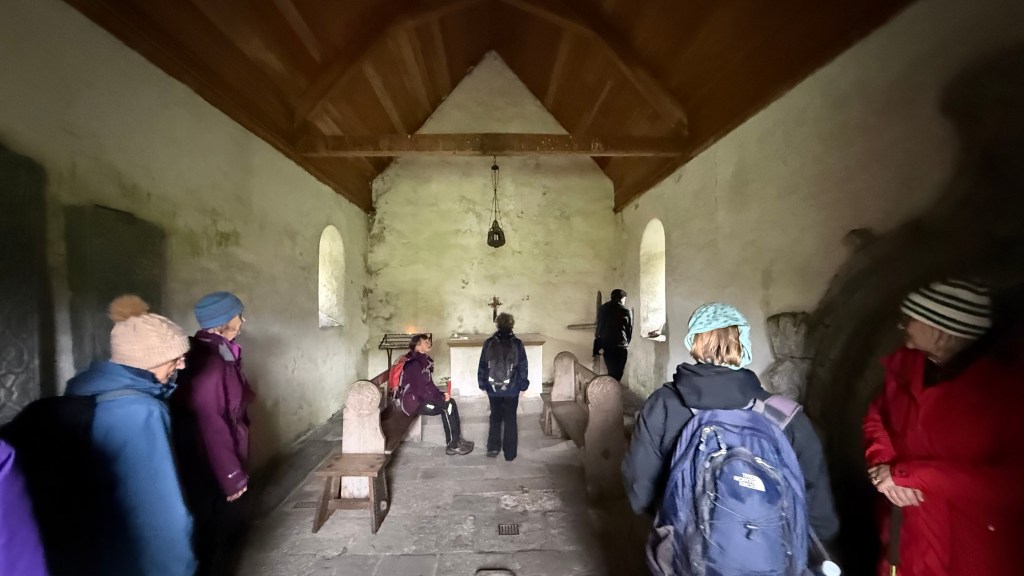
The most documented period starts in 536 when Columba, an Irish monk, started a mission here to evanglism the wilds of Scotland. An abbey and monastic community soon grew up around that mission. We began our walking tour outside the abbey, at St. Oran’s Chapel.
The chapel was built in the 1100s as the burial chapel of the MacDonald Lords of the Isles. Legend has it that building the chapel met with frequent delays and inexplicable failures, until Columba heard a voice tell him that the chapel would not stand until a living man was buried below the foundations. Oran vounteered and was consigned to the earth, and the chapel was built above him. After a time, however, Columba’s conscience got the better of him, and he called for Oran to be dug up and given a proper burial. However, when they uncovered Oran, he was still alive and began to talk, saying, “There is no Hell as you suppose, nor Heaven that people talk about.” Columba was supposedly so alarmed by this that he called for Oran to be re-covered with dirt immediately!
The chapel is still used today for weddings, prayer services, and even “jam sessions” by local musicians.
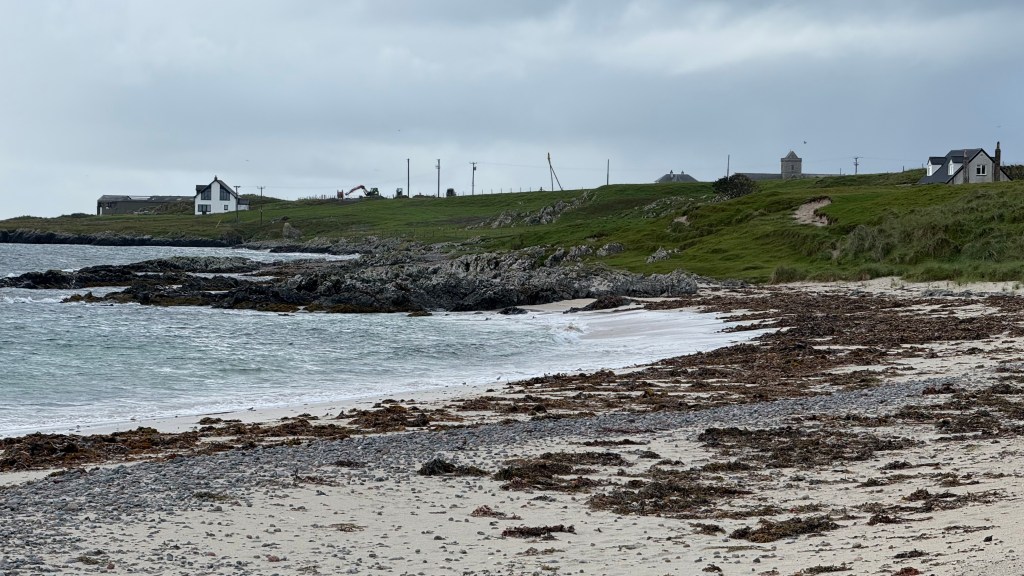
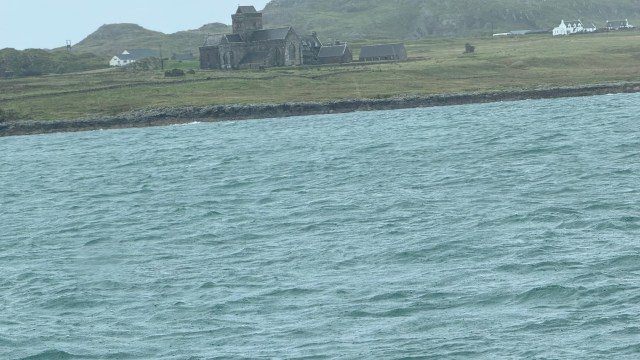
The picture above is from a very special beach on the Isle of Iona. It’s called the White Strand of the Monks, and that name dates back to the year 806, when a band of Viking raiders descended on this beach. They found here the monks of Iona, men who had given their lives to prayer, learning, and the daily rhythm of worship. Some had come from far-off places, drawn by the vision of Columba and the community he founded. Their lives were simple, hidden, unremarkable by worldly standards — yet they were devoted to Christ.
Here, on this sand, their earthly lives came to a violent end. Sixty-eight were slaughtered in a single day. We do not know their names. We do not know their stories. But God knows. God remembers. And the Church remembers, too — not because of the cruelty of their death, but because of the witness of their lives.
Standing on the shore this morning, we were reminded of the cost of discipleship.
This week I have been given a wonderful opportunity. The Methodist Circuit was planning a trip to Iona and needed one of the ministers to go along as chaplain. Having never been, I jumped at the chance to go. After many months of planning, I left Godalming at 5am this morning for the 500 mile trip to northwestern Scotland.
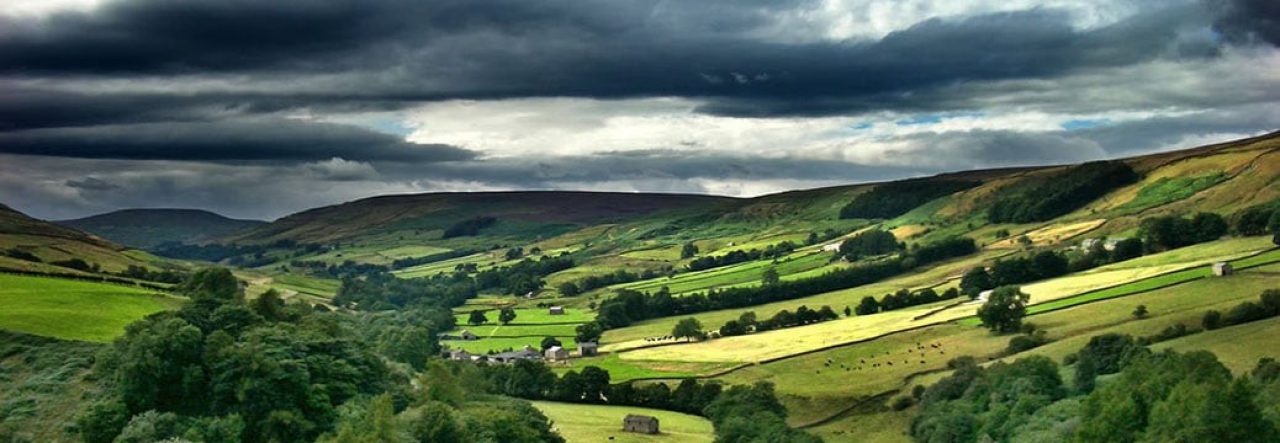
It involved a taxi, an airplane, another (four hour) taxi, and two ferries. We travelled through some of the most beautiful countryside I’ve ever seen. I tried taking pictures, but honestly, they just didn’t do the scenery justice. None of them could match the stark beauty I could see with my eyes. I’ve never been to the Highlands before, and I think I barely skirted them this trip, but I couldn’t help but feel the majesty of the land.
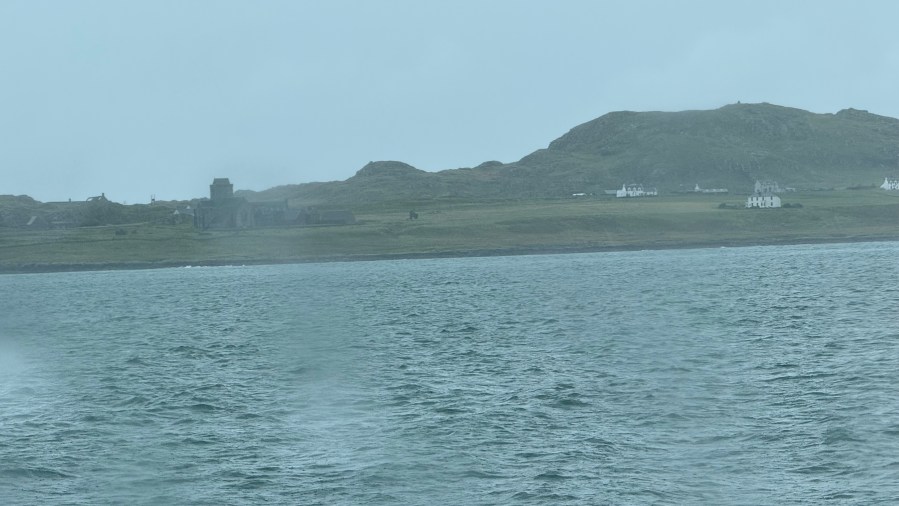
Upon arriving at Iona, the first word that came to mind was “rugged”. Around 1500 years ago, an Irish monk named Columba founded an abbey here that he used as a base for his mission to take Christianity into the wilds of Scotland. The monks faced hardship from the climate, the sea, from Viking raiders, and even rival groups of monks.
The island has only about 150 inhabitants today, but is once again a worshipping community of Christians. I’ll try to fill in a bit more about the history of the island in blog posts over the next few days. For now, I’ve been on the run for about 17 hours, and I’m ready for bed.
One of the “maintenance tasks” of living abroad is having to keep your passport updated. Most Americans don’t have a passport in the first place. The U.S. State Department estimates that about 37% of the population has a passport. Compare that to 86% of U.K. residents and a whopping 96% of EU citizens!
Passports have an extremely long expiration date of 10 years for adults. Minors, on the other hand, only last five years. This reflects the fact that they change more quickly and the picture needs to be up to date in order to pass through border controls efficiently and safely.
We first got the girls passports a few months before we immigrated, so they’re quickly coming up on their expiration date. Considering the backlog that has plagued most bureaucracies since COVID, we decided it was prudent to start the process a bit early.
For Americans living in England, this means a trip to the U.S. Embassy in London. You have to schedule an appointment some months in advance. I can’t be more specific than “some months”, because we’ve yet to figure out the rhyme or reason as to when they make appointments available. We would check every day for weeks, then suddenly a glut of them would bookable, only to almost immediately disappear, for more to appear at a seemingly random time in the future. Oh, and all the passport appointments seem to be before 10am as well.
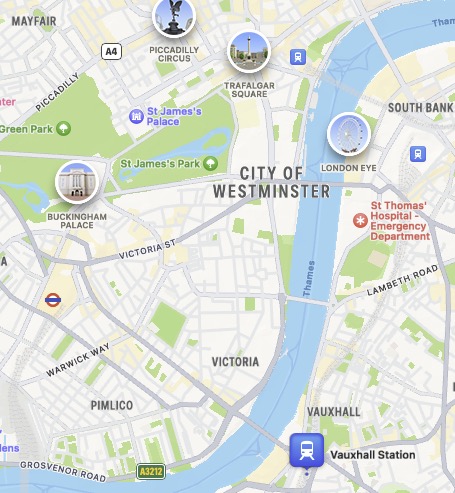
So, last Thursday, having dutifully booked an appointment and collected our documents, we caught a very early train to Vauxhall, a station south of our usual destination of Waterloo, upriver on the Thames.
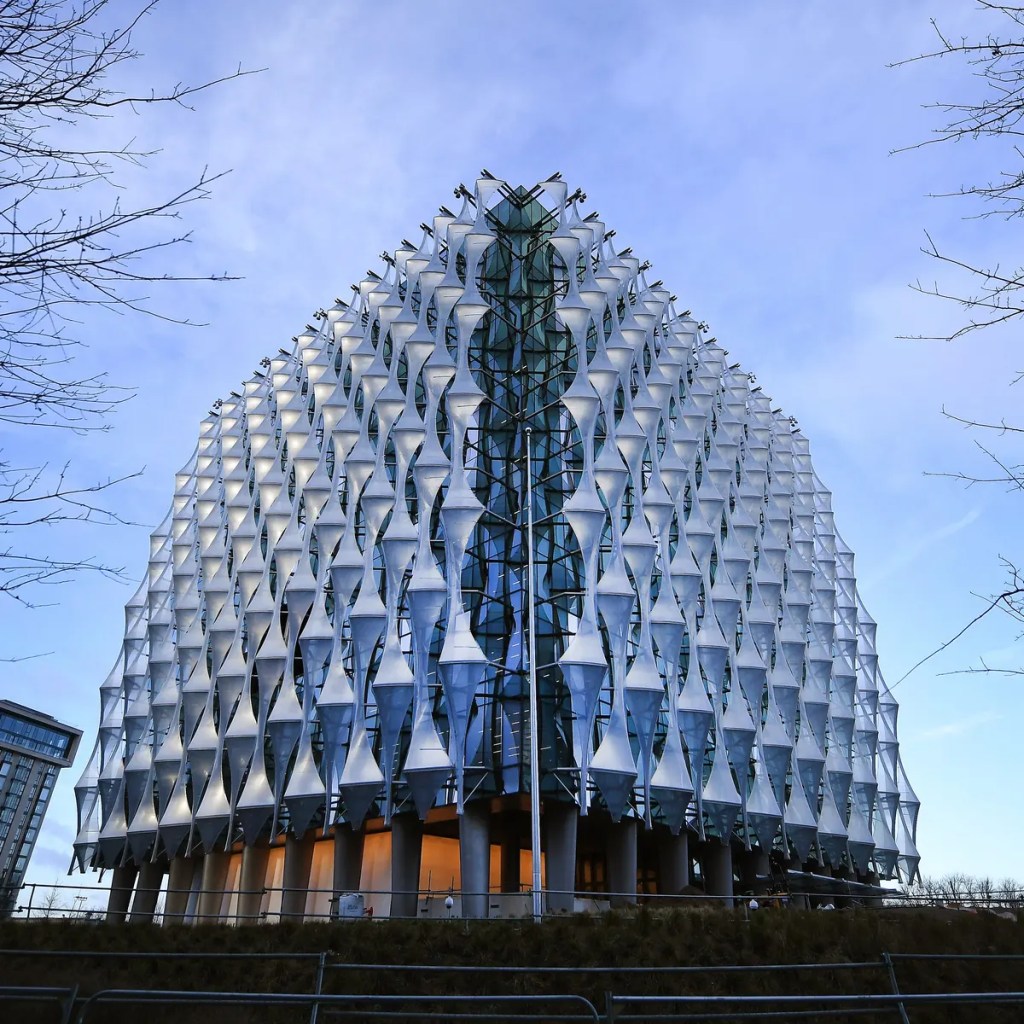
The U.S. Embassy building is just a short 10 minute walk from Vauxhall Station. I have to admit that it’s not a particularly attractive building, looking like a cube with aluminium foil shapes stuck to the outside. To make the choice even odder, the “foil” shapes are only on three sides of the building, but not the fourth, so it doesn’t seem to be protective or for blocking signals or anything. It just seems to be a (rather odd) architectural choice.
No idea whatsoever what the metal stuff is.
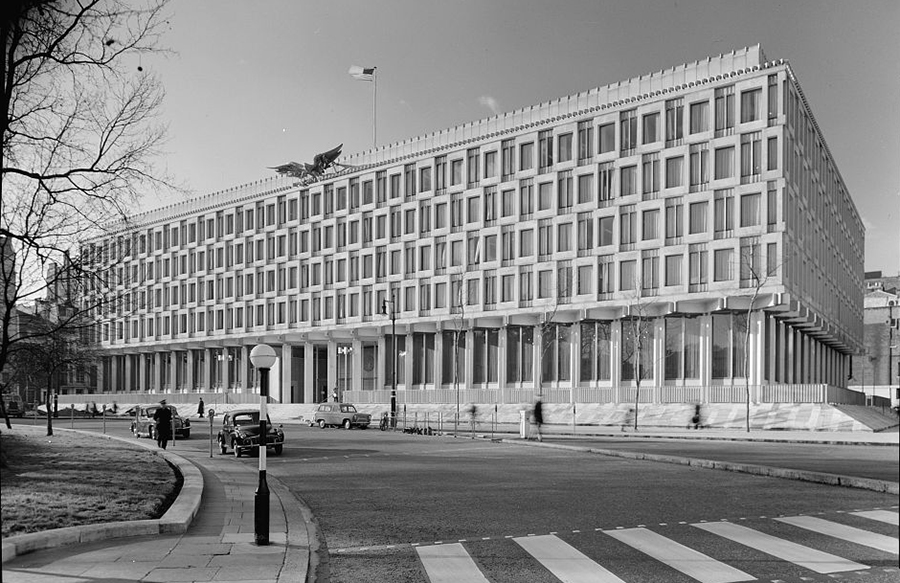
Then again, the old embassy building in Grosvenor Square (used until 2017), wasn’t exactly a peach of a building, either.
We arrived just in time for our appointment and my heart sunk to see a HUGE line of people waiting to get in. Fortunately, it turns out that was the line for foreign nationals wanting to get a visa to go to the U.S. As citizens, we got to skip that line and was put in a much shorter one (two people in front of us) to go in a side door to security.
The first real surprise was that almost none of the employees we encountered were American. (Ok. Disclaimer time: most of them didn’t have American accents. Obviously they could have been naturalised American citizens, but I kind of doubt it. I will admit that I’m generalising here.) There were London Metropolitan police officers patrolling the grounds, fully armed, which is rare here. The lady directing the line had an Indian accent. The person at the front desk was Polish. It wasn’t until we met with an embassy official that we heard an American accent.
Now, let me be clear for the racists: I’m NOT complaining about this. Obviously it’s more efficient and effective to hire local London residents than to ship Americans over to do all these jobs. I’m certain all of these individuals are security checked twelve different ways. It just didn’t fit what I was expecting. Which, to be honest, my entire view of embassies comes from Jason Bourne movies. I expected Marines on the door and to witness at least one spy arrest or shootout. I was disappointed on all these fronts.
The passport process itself was refreshingly quick. We were assigned a number and told to listen for it, then report to the window that was called out. We were called up within 10 minutes or so of arrival, gave over the old passports and signed a couple documents. (Don’t ask what they were. I didn’t read them.) We then sat back down to wait for our number again; this time to appear before a Consular Officer who had us swear (right arms raised and everything) that these were our kids and all the information submitted was true. We then sat down again and waited to be called up to a cashier to pay. In and out in just over an hour.
Of course, now comes the waiting. We’re planning a trip to Spain in October, so we’re fairly confident that we’ll have the new passports by then….if not, I guess the girls can fend for themselves for a few days.
Back when I was a wee United Methodist seminary student, one of my bucket list items was to visit the John Wesley sites in England. I admit that, upon leaving the UMC, I had kind of “forgotten” about this goal.
For those of you that don’t know, John Wesley was the founder of the Methodist movement that began in England and then spread worldwide.
A few years ago, my family and I were visiting a museum in London when we stumbled upon the site of John Wesley’s Aldersgate experience, where he felt his heart “strangely warmed”. Soon after, we were called to Godalming, the hometown of James Oglethorpe, the first governor of the colony of Georgia in the 1700’s. It was with Oglethorpe that John Wesley had his (abbreviated and) somewhat disastrous trip to minister to the Native Americans in the American southeast. Of course, along with this move to Godalming meant taking charge of the United Church, a partnership between my own denomination and the Methodist Church of Great Britain.
It seemed that, while you could take the boy out of Methodism, you couldn’t take Methodism out of the boy. Or at least I can’t seem to escape it.
During a recent conversation with our Circuit Superintendent, he mentioned that he was planning to train into London for the annual Wesley Day celebration at John Wesley’s church. I quickly invited myself, which he was gracious enough to allow.
This was something of a pilgrimage experience for me. While I am naturally dedicated to my new denomination, the United Reformed Church, this trip definitely reminded me of how deeply my family’s Methodist roots went.
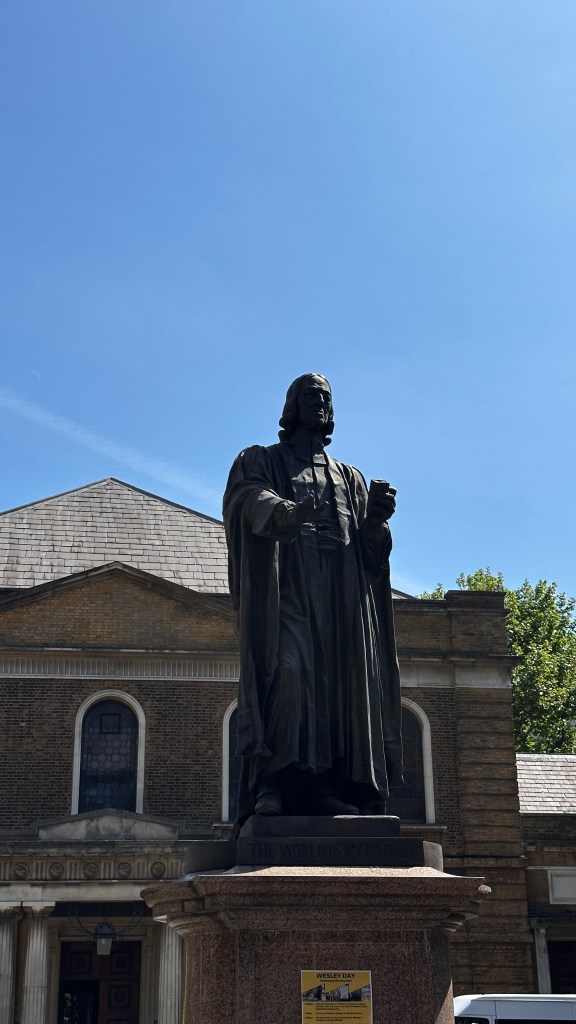
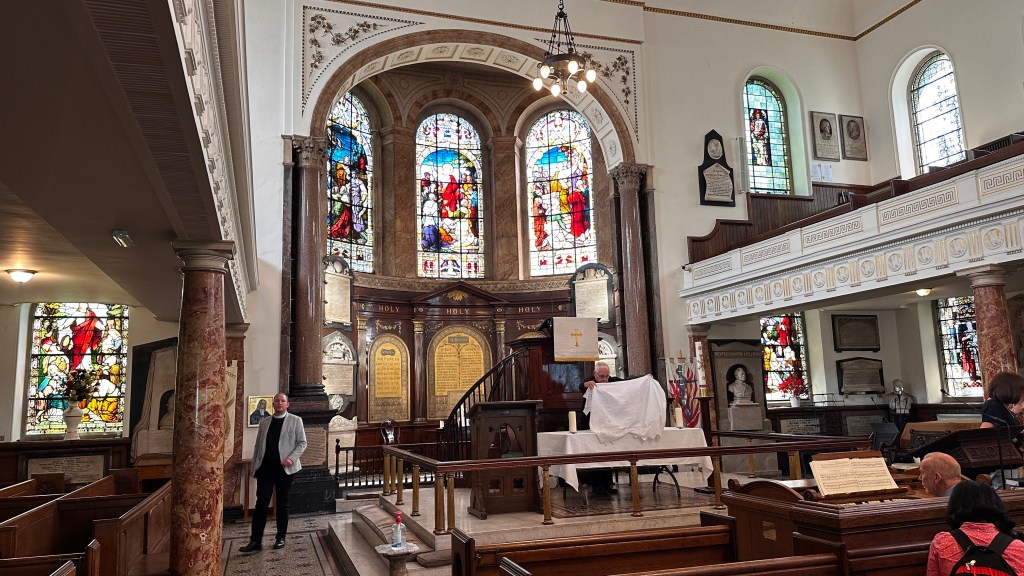
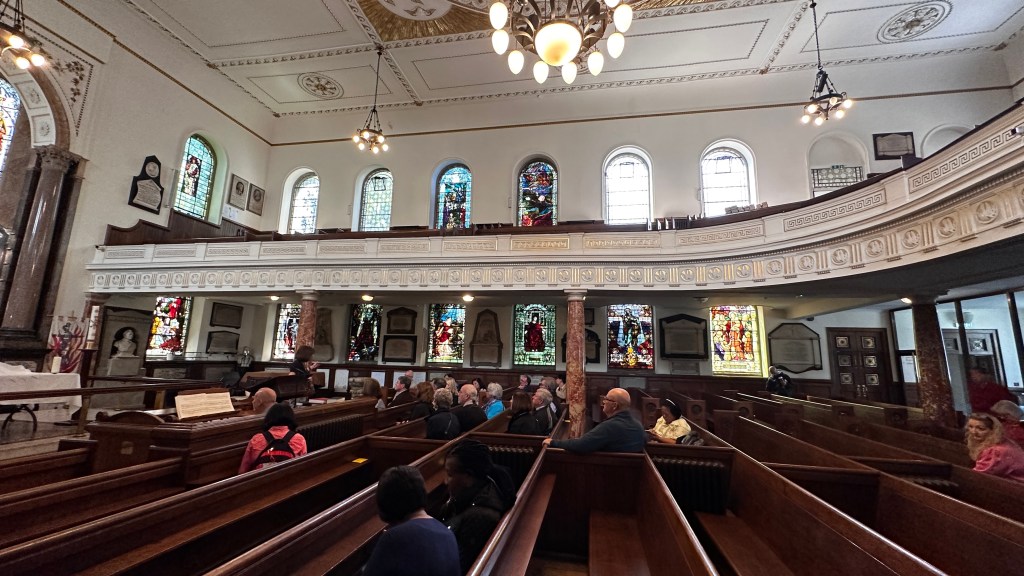
The celebrations started with a Communion Service at Wesley Chapel, the church John Wesley himself had built in 1788. The chapel itself is gorgeous. With a service about to start, I didn’t feel at liberty to take too many pictures, but here are a few.
Courtyard of the ChapelJohn Wesley guarding the courtyard entrance. The Chapel interior
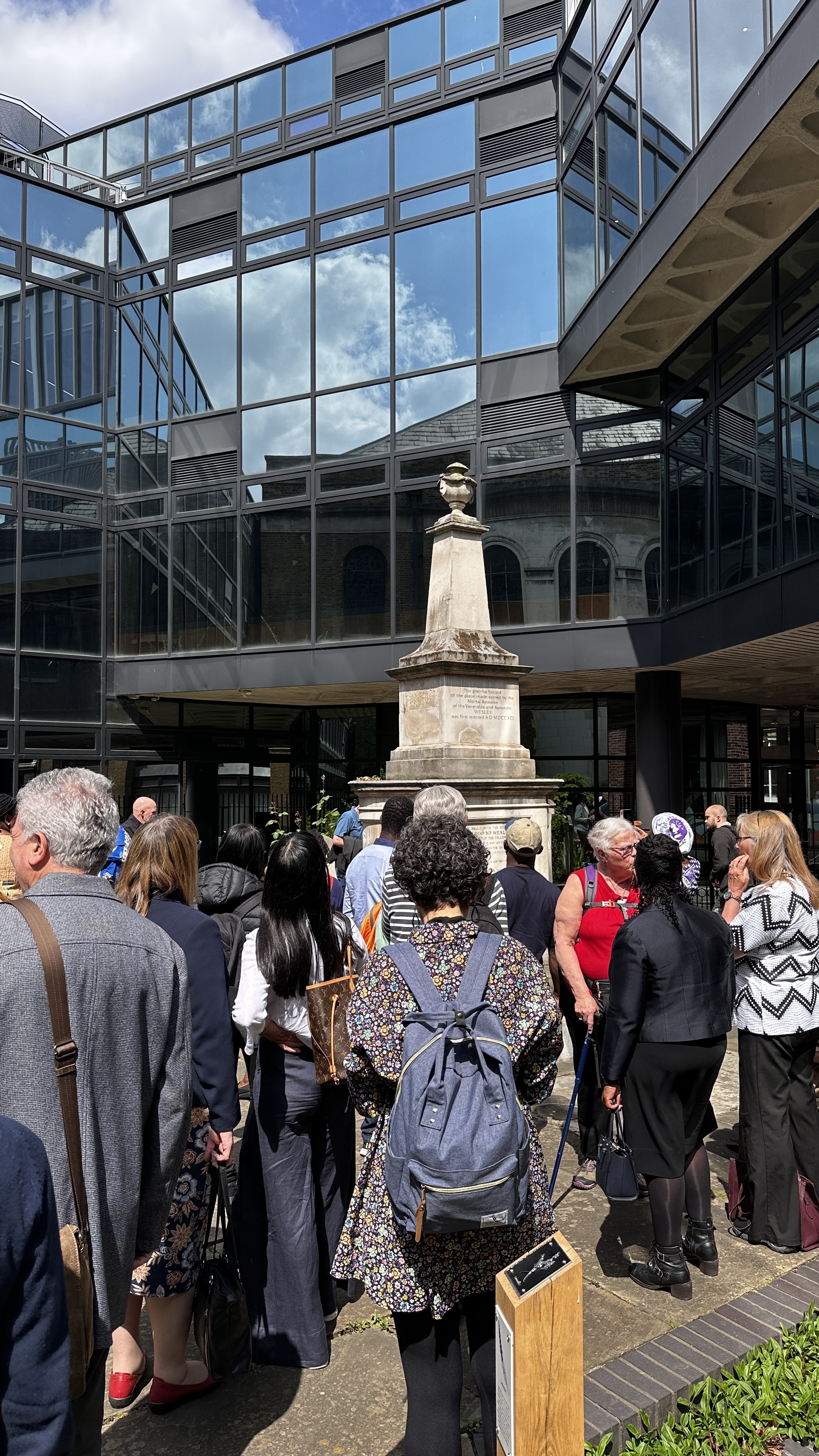
Our first stop was the tomb of Wesley himself in the chapel garden. Each stop was accompanied by prayer and a brief hymn.
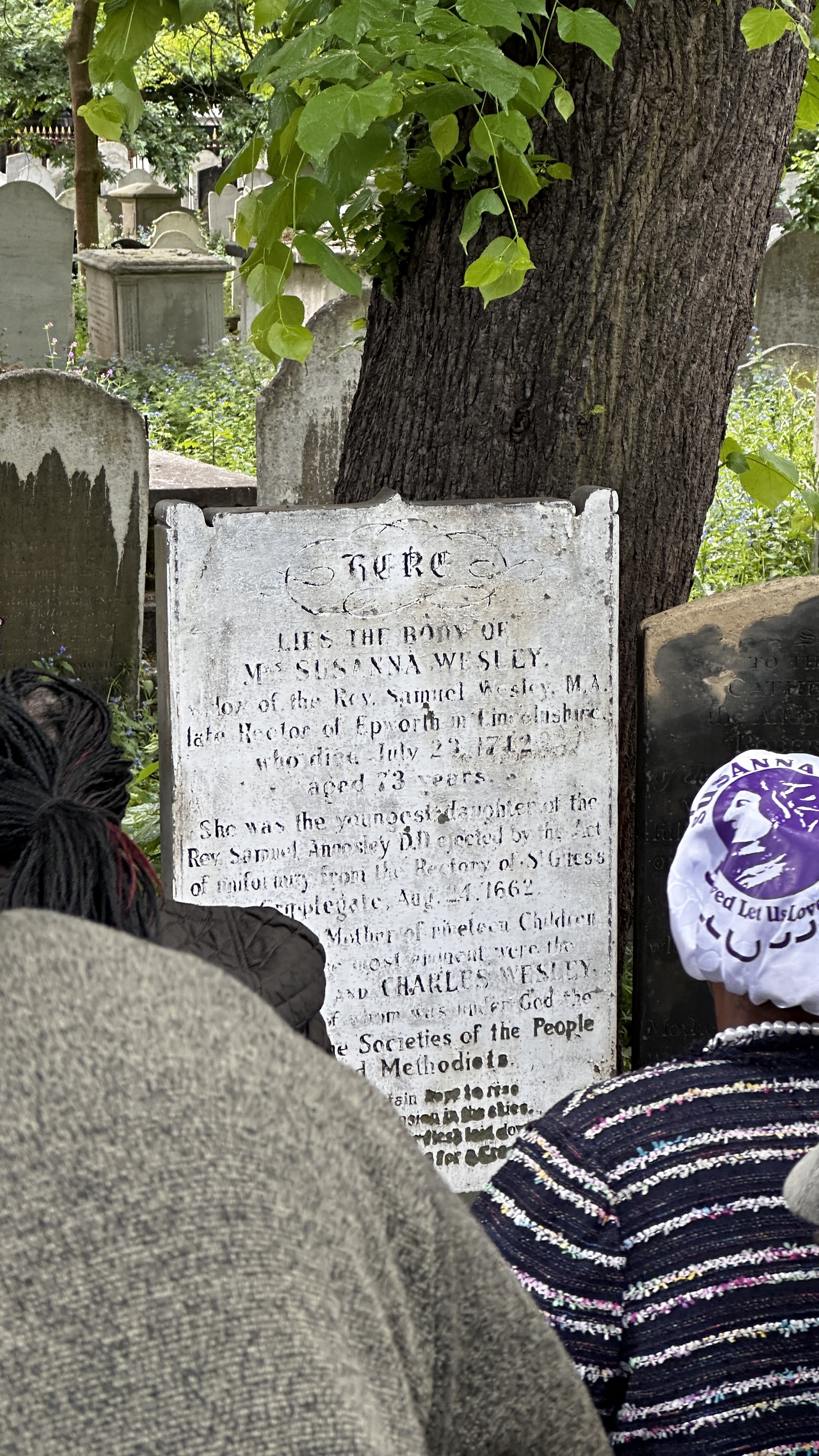
Next was the tomb of Wesley’s mother, Susannah, in the cemetery across the street.
At this point, I should note that Wesley Day is actually a BIG DEAL in some worldwide Methodist Churches, especially in Africa. There were a couple of rather large groups from the Gambia and Ghana that had journeyed to England just for this day. While we made our way through the city, they brought joy and exuberance to the celebration by singing and drumming as we walked. The poor Londoners we passed had no idea what to do with us.
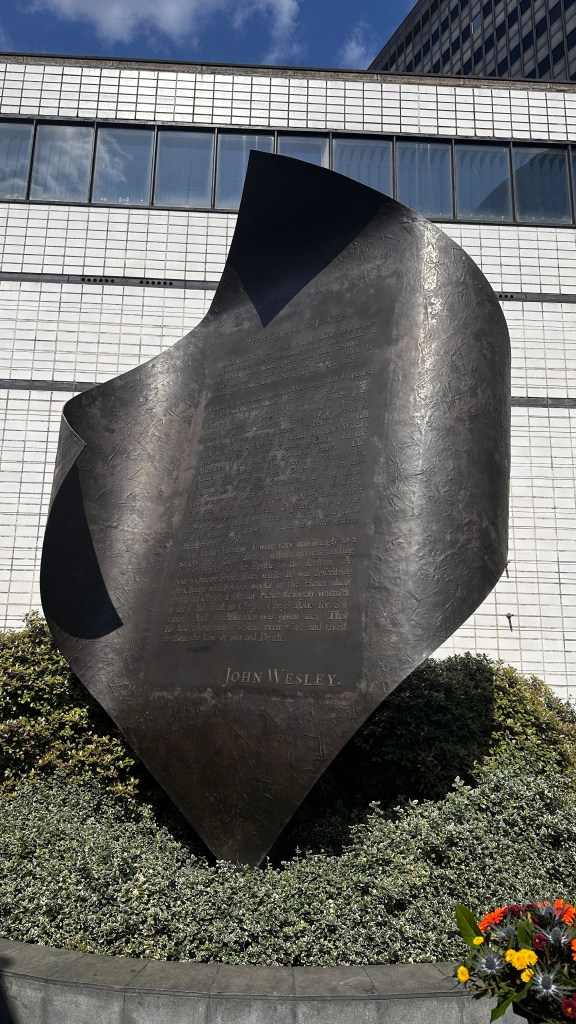
From the cemetery we noisily made our way to the site of the Aldersgate experience that I mentioned above.
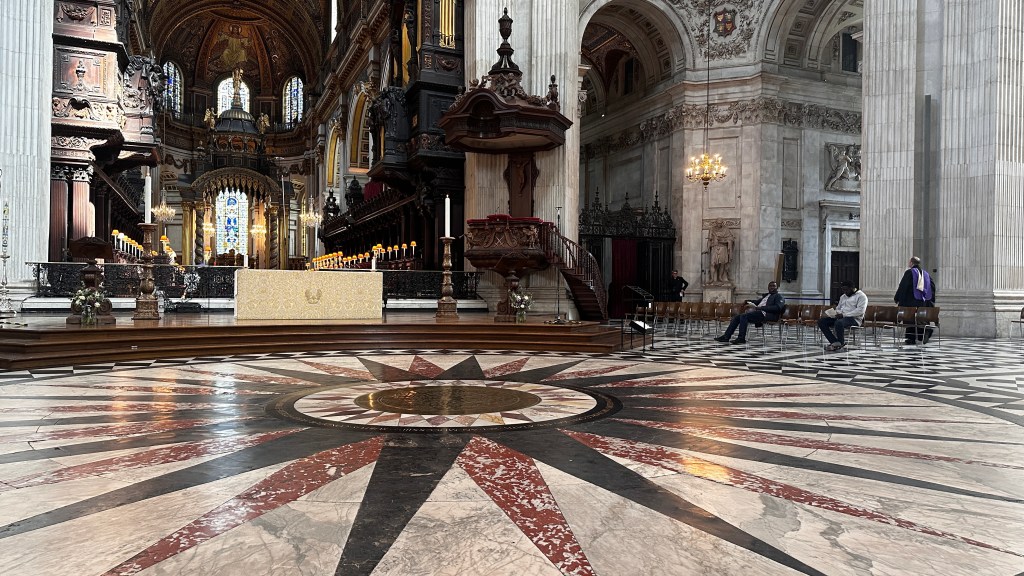
We ended the day at St. Paul’s Cathedral with a special Evensong Service. It’s easy to forget that, while Wesley founded Methodism, he himself remained an Anglican priest for his entire life. The Anglican Church still honours him today for his reforming work within the church.
Front row seats at St. Paul’s, baby!
As I said above, this was a long held (if delayed) dream come true for me. Many thanks to my Superintendent, Paul Glass, for allowing me to tag along and to the denominational staff that planned the event.
Ok….so, it’s been awhile. I know that. You know that. My wife certainly knows that as she frequently reminds me that I need to blog. Unfortunately, it’s not as easy to find interesting things to talk about anymore. While we continually are reminded of our love for this country, I acknowledge that it’s not terribly riveting for all of you if I describe my awe on seeing the same castle for the 40th time. However, I could do better as we have seen some interesting things this year and will continue. If enough people are still reading this blog, I’ll keep going.
This week, we got a truly unique experience in our time here. When we moved to Godalming, we were told that a member of our congregation was a Baroness, meaning that she’s a member of the House of Lords, the upper house of the UK Parliament. Naturally, this intimidated the hell out of me, but she turned out to be the most wonderfully kind and humble person.
First, a bit of background for the non-Brits. As you might remember from high school civics class, Parliament is the legislative branch of the UK government, roughly the same as Congress in the United States. And like the US Congress, Parliament is split into two houses: the House of Commons, made up of 650 elected members that represent boroughs around the country, and the House of Lords, traditionally the house of the Nobility.
You might notice the emphasis on the word “traditionally” in the previous paragraph. That’s because the nature of the House of Lords (or House of Peers) has changed over the centuries. It originally developed out of the Magna Carta, when the Lords of England demanded some checks and balances on King John in 1215. It remained the house of inherited nobility until 1999, when reform under the Labour Party “expelled” (not as harsh as it sounds) all but 92 hereditary peers. They were replaced with Life Peers, people who were nominated by their party to take a place in the House for life (or retirement), but the title would not pass on to their children like the hereditary nobility. I’m a little fuzzy on how and when new peers are brought in. I THINK that’s a function of the Prime Minister and the House of Commons, but when a new “class” is brought in, the numbers are divided between the political parties, who then name their own peers.
Their power is extremely limited compared to the House of Commons or the US Senate. Legislation cannot start in the House of Lords, nor can it “die” there. Their function is to scrutinise bills passed by the Commons, proposing amendments, intentionally slowing down bills and forcing the Commons to carefully consider, or even reconsider, their decisions.
What makes these peers so unique, and so valuable in my opinion, is that they tend not to be “career politicians”. While they have naturally been active in their political parties, they are largely chosen by merit of their accomplishments in various fields. For instance, someone who has spent their career working for RSPCA (Royal Society for the Prevention of Cruelty to Animals) might be asked to join the Lords for the contributions they can make toward Conservation. While no system is perfect, this has lead to an upper house full of “experts” in various fields rather than simply a popularity contest like the United States Senate. Any resident of the UK has the right to petition the Lords, so no matter what your issue, you are likely to find someone who is knowledgable and passionate about it in the House of Lords.
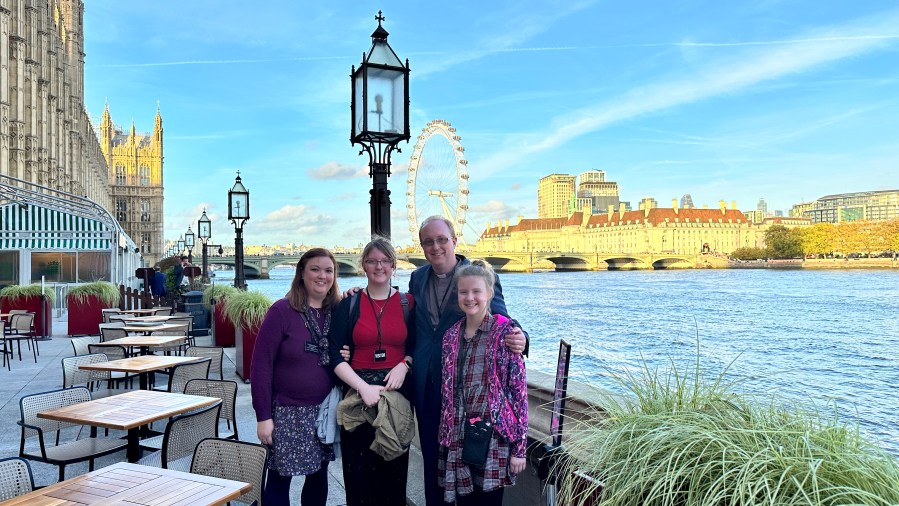
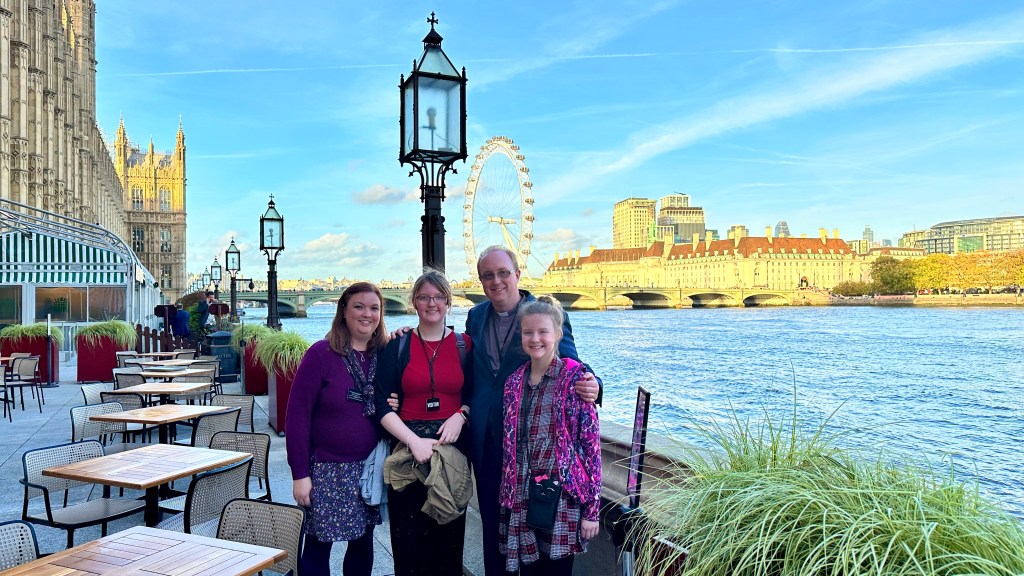
Hmmm….maybe that was a bit more background than necessary, but it was fun to write. Back to the point of this post. A few months back, our parishioner invited us to a day of tours in the Parliament and the House of Lords. Naturally, we jumped at the chance as this included not just the normal public tour, but a private tour by the Baroness in the less-known sections. No way we were going to pass this up. It took a few months of planning to get the right day, but this Wednesday we finally got to take our tour and it. was. amazing. Unfortunately, photography isn’t allowed in most of the building, so I don’t have a lot of pictures, but I’ll share what we have.
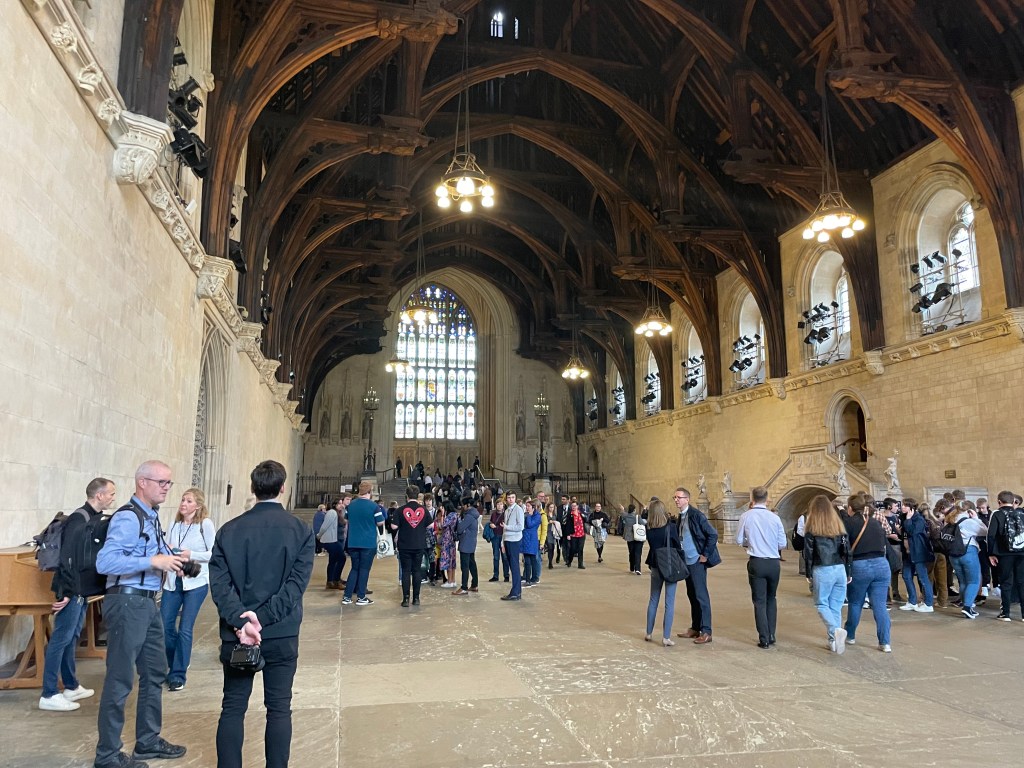
We began the day with the typical tour that many residents and tourists get. A trip through the 1,000 year old Hall of Westminster, built for the son of William the Conquerer as a banqueting hall, and the site where Kings and Queens have laid in state before burial. If you watched the recent vigil for Her Majesty, Queen Elizabeth II, this is where her coffin lay for days of solid procession by the people of the UK.
We then proceeded through the House of Commons, which has been on the news frequently lately, so I’m sure you’ve all seen that, then on to the House of Lords. We had the luck (either good or bad) of being there on the first day the new Prime Minister was going to face the Commons, so it was a bit of a whirlwind tour, although the energy was quite high.
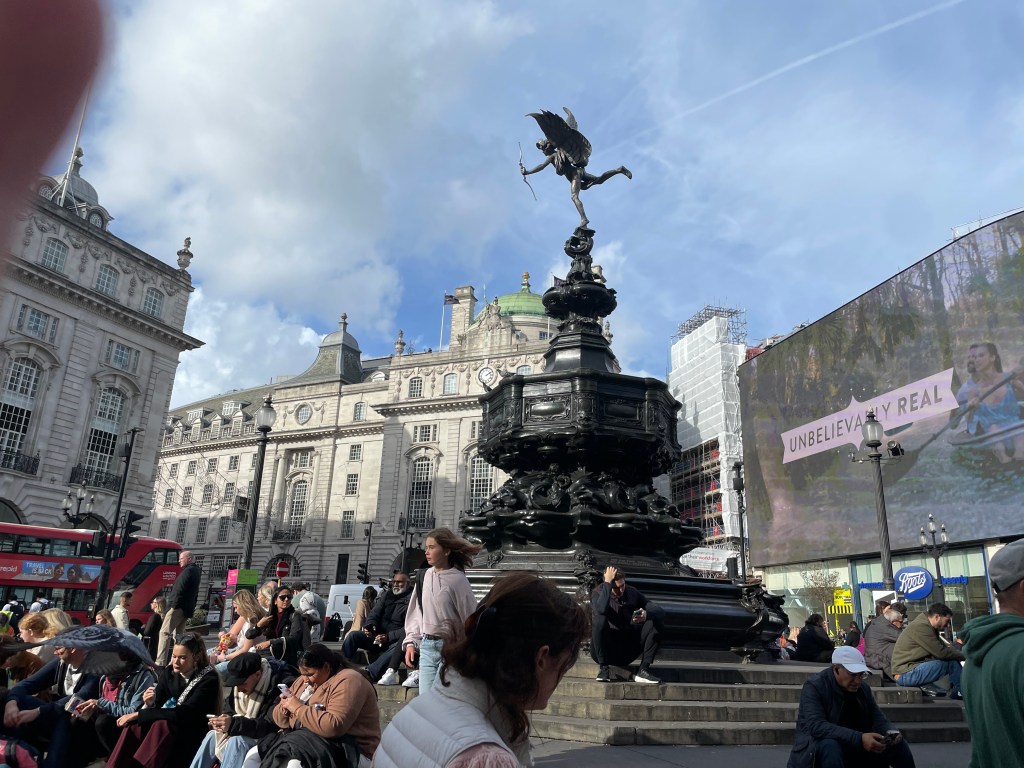
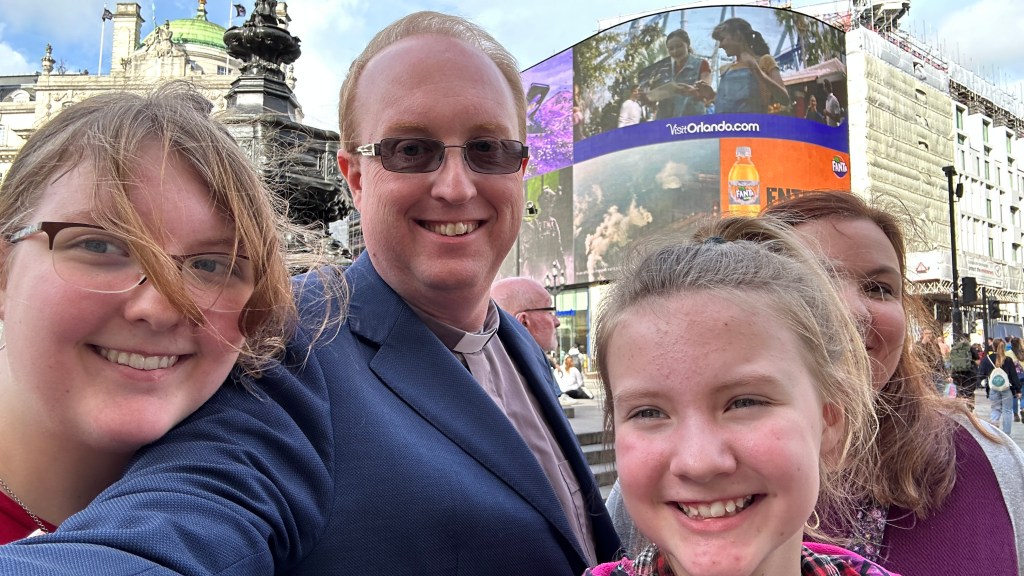
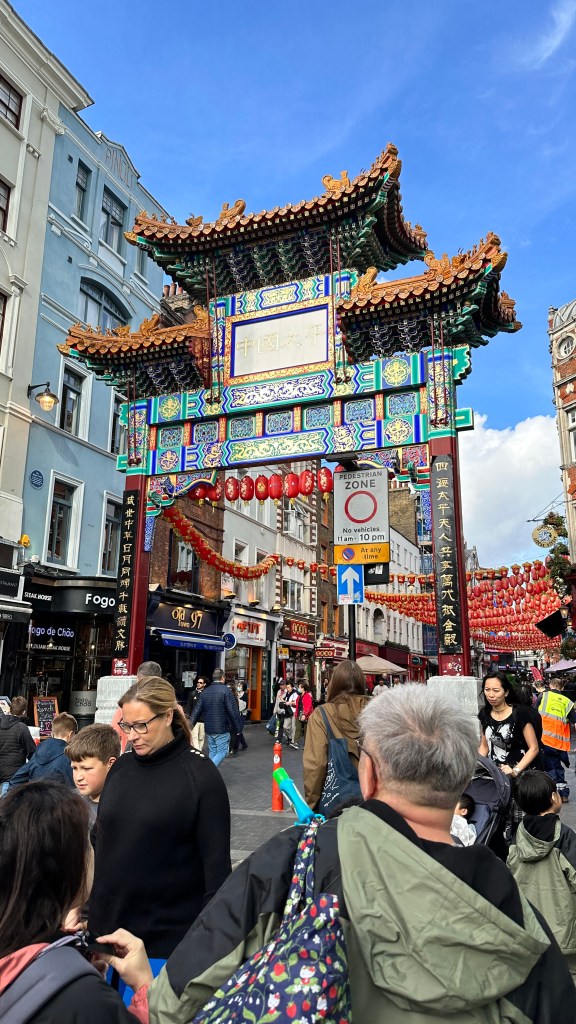
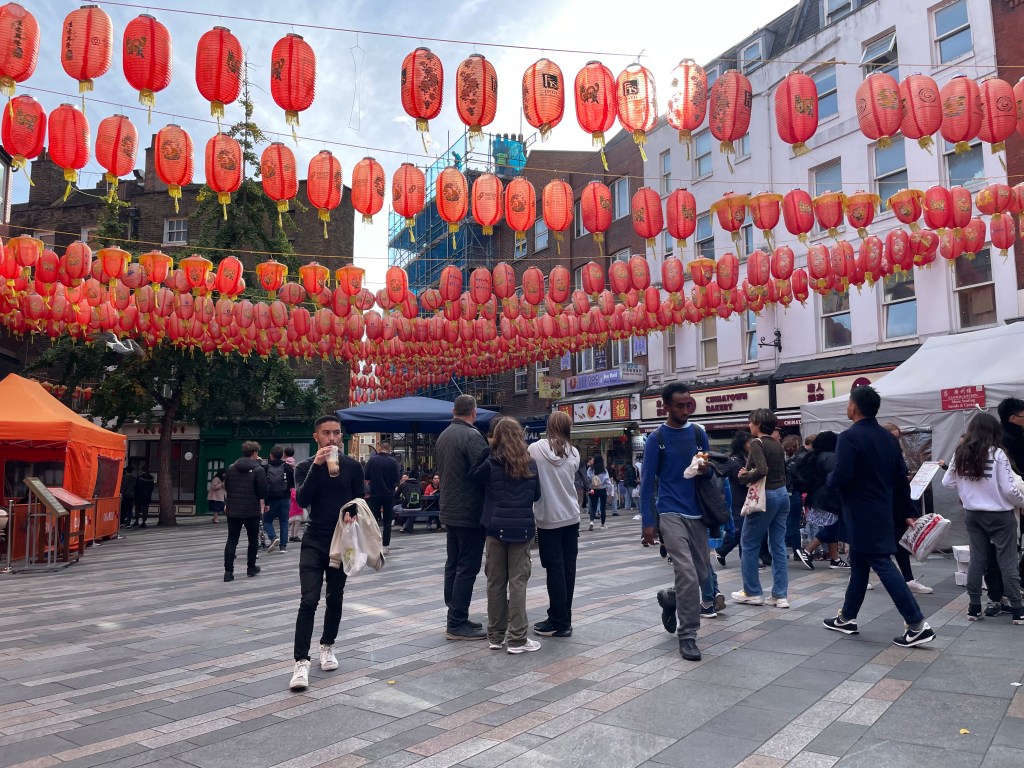
We then had some time to kill so we had lunch at the same pub we ate in our first night living in the country. We couldn’t get the same seat, but it was a nice reminder of how far we’ve come in the last four years. We then wandered up to Piccadilly Circus and Chinatown, people watching our way through the next hour or so.
Finally, it was time for the main event. We bussed back to the Palace of Westminster and this time headed for the Peers Entrance, the door reserved for Peers and their guests. The Baroness met us there and led us to the House of Lords itself where we got to watch the House in session. We sat up in a tiny balcony called the Peeresses Gallery as it was where the wives of the Lords used to sit and watch while their husbands debated below. I won’t pretend that we understood most of what was going on, but it was fascinating to see the work of the House in person rather than through a television screen. We even got lucky as we were told the Peers got a little more “rambunctious” than usual, shouting down a few members that were using more than their allowed time.
After the main session, we went to tea (English Breakfast and teacakes with butter and jam) in one of the Lord’s Dining Rooms, which is just as fancy as it sounds, before getting a behind the scenes tour of stuff that’s not on the normal tour.
Now, I want to be clear that we were not VIPs. I’m not putting on airs. Most of what we did was available to any UK resident that contacts their MP or local Peer. I’m sure there are hundreds, or even thousands, of Brits every year that take advantage of this. But to us yokels from Southern Indiana? Pure magic. We will definitely do the public tour again soon, and maybe, if we minded our manners, we’ll get invited back for the rest at some point in the years to come.
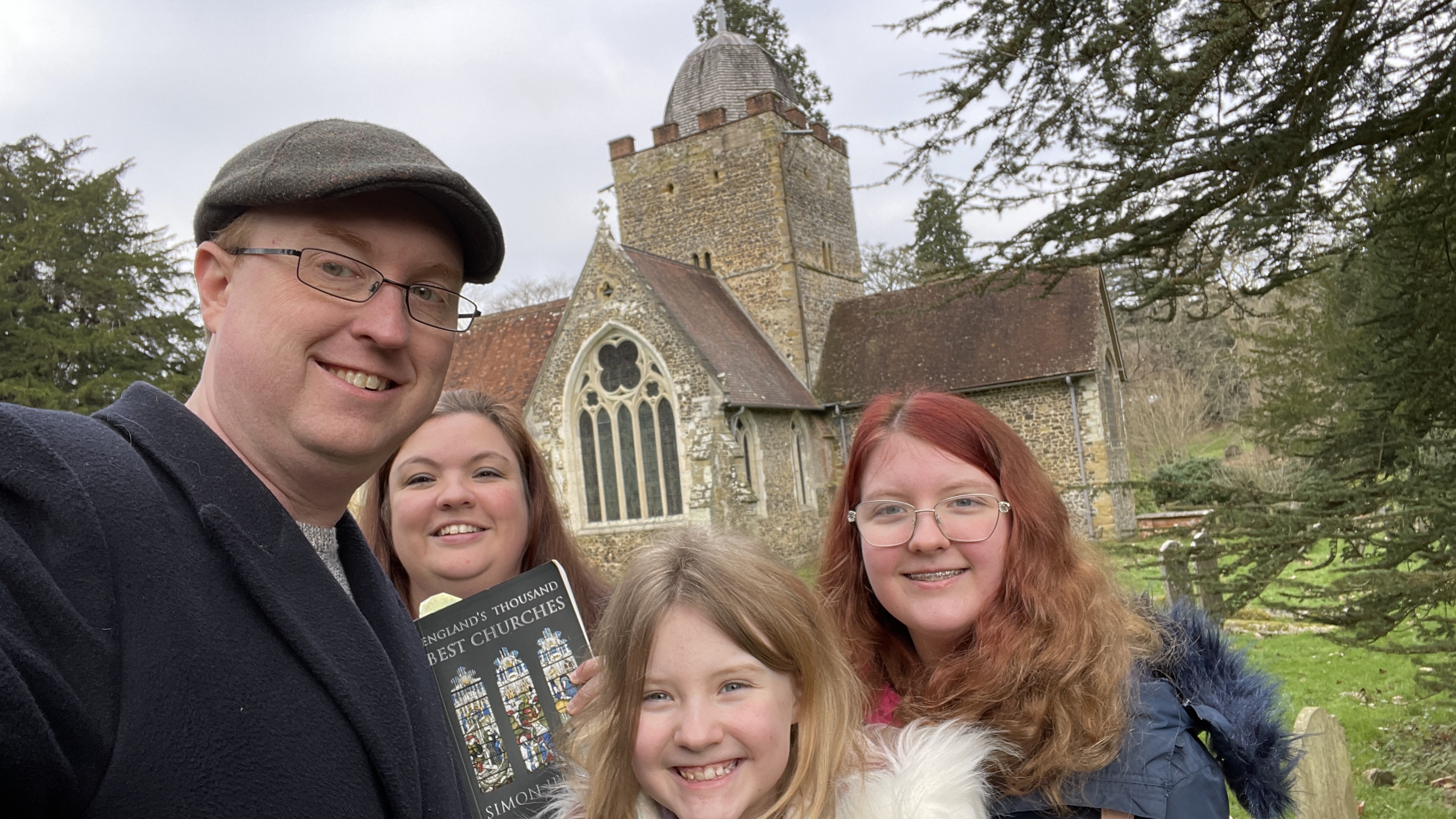
One of the coolest things we’ve borrowed/nicked from friends over here is a book called England’s Thousand Best Churches. A few of my colleagues and parishioners have jokingly taken umbrage at the name, so it really should have the subtitle “From a Historical and Architectural Perspective”. It divides these churches by county and has some interesting information about each church. I’m not going so far as to say that I’ve made it a goal to visit ALL 1,000 churches….but I do have to admit that I’m tempted. (Ian and Jenny, we WILL give the book back….eventually.)
We attempted to see a few of these churches our first autumn in Surrey, but, although lockdowns had technically lifted, the continuing Covid rates meant that many of these sanctuaries were closed and could only be seen from the outside or by standing directly inside the entrance. On that trip, we visited Dunsfold (and while we could only hover by the door, we did return for a Sunday morning service a few months later and were welcomed by their lovely congregation and priest), Hascombe (again only from the entrance), and Shere (where we were only able to see the outside).
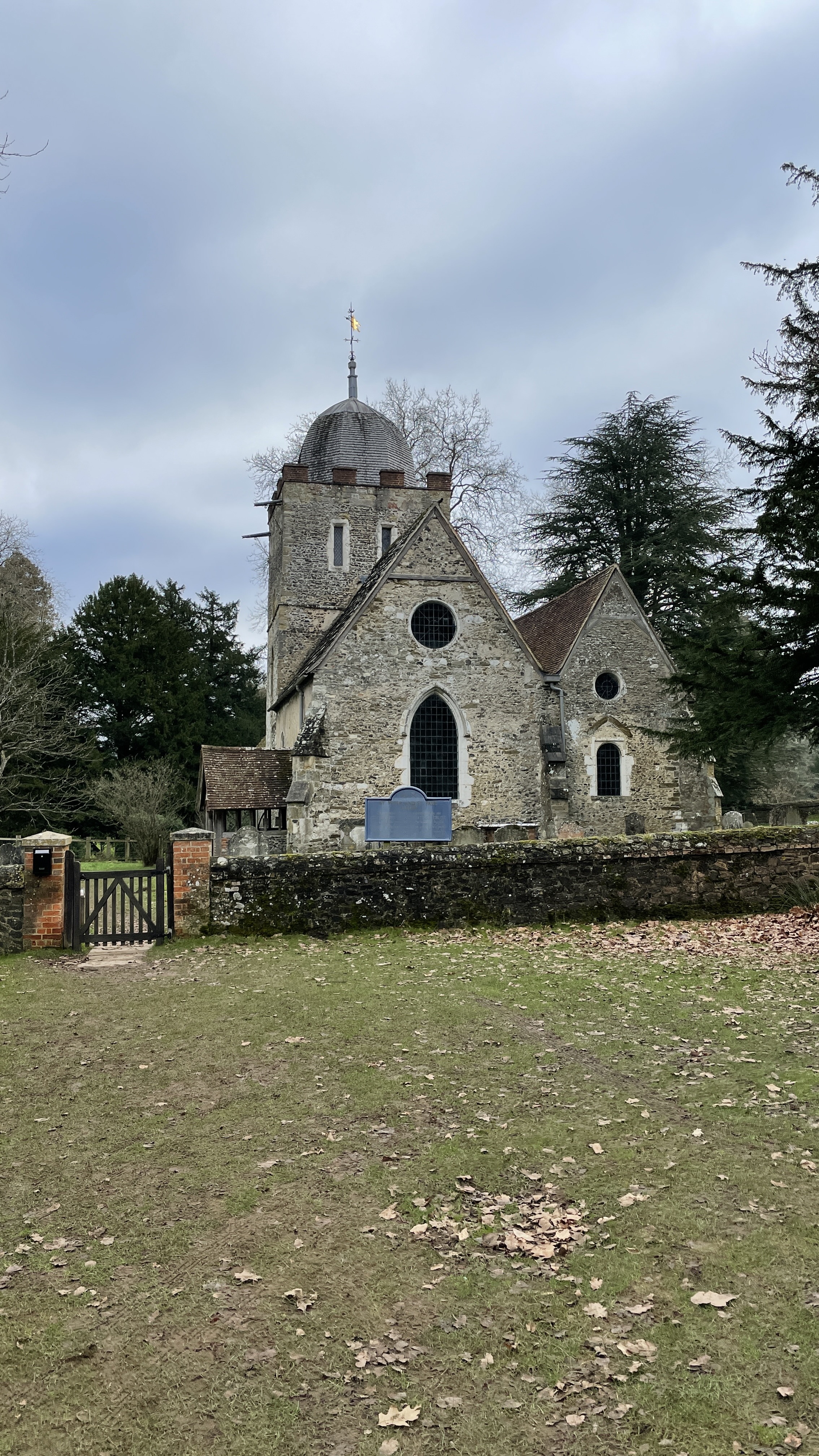
A few weeks ago, we decided to continue this journey. We decided to only visit a couple this trip, to allow ourselves to a bit more time in each. We began at Albury, a small village about 15 minute drive to the east in the Surrey Hills. The church was “Old St. Peter’s and St. Paul’s” and is actually outside the village in Albury Park, a 150-acre park dominated by an old Manor House. When we arrived, we realised that the definition of “park” was the original one, meaning “hunting ground for the nobility”. While they probably weren’t nobles, there was a definite upper-class event going on. Dozens of Range Rovers, Land Rovers, and other various expensive SUVs were parked all near the entrance. As we drove through to the church, we saw groups of men dressed (more or less) exactly like you would picture English gentleman dressed for hunting, right down to the necktie, hound dogs trotting at their heels and pheasant carcasses hung down their backs. I looked around for cameras to see if this was filming for the new Downton Abbey film, but it seemed this was perfectly normal.
Not a photo we took, but you get the idea.
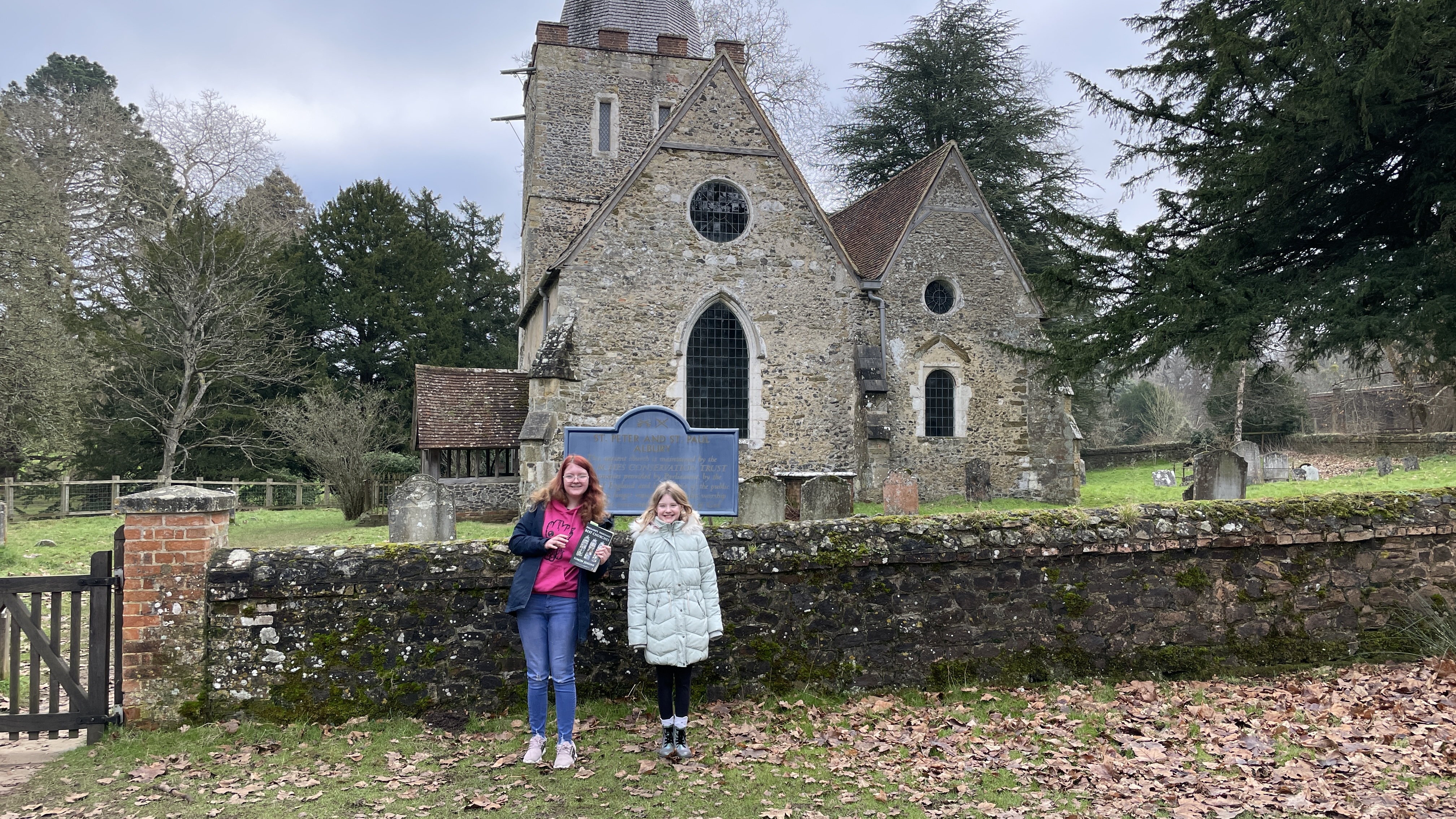
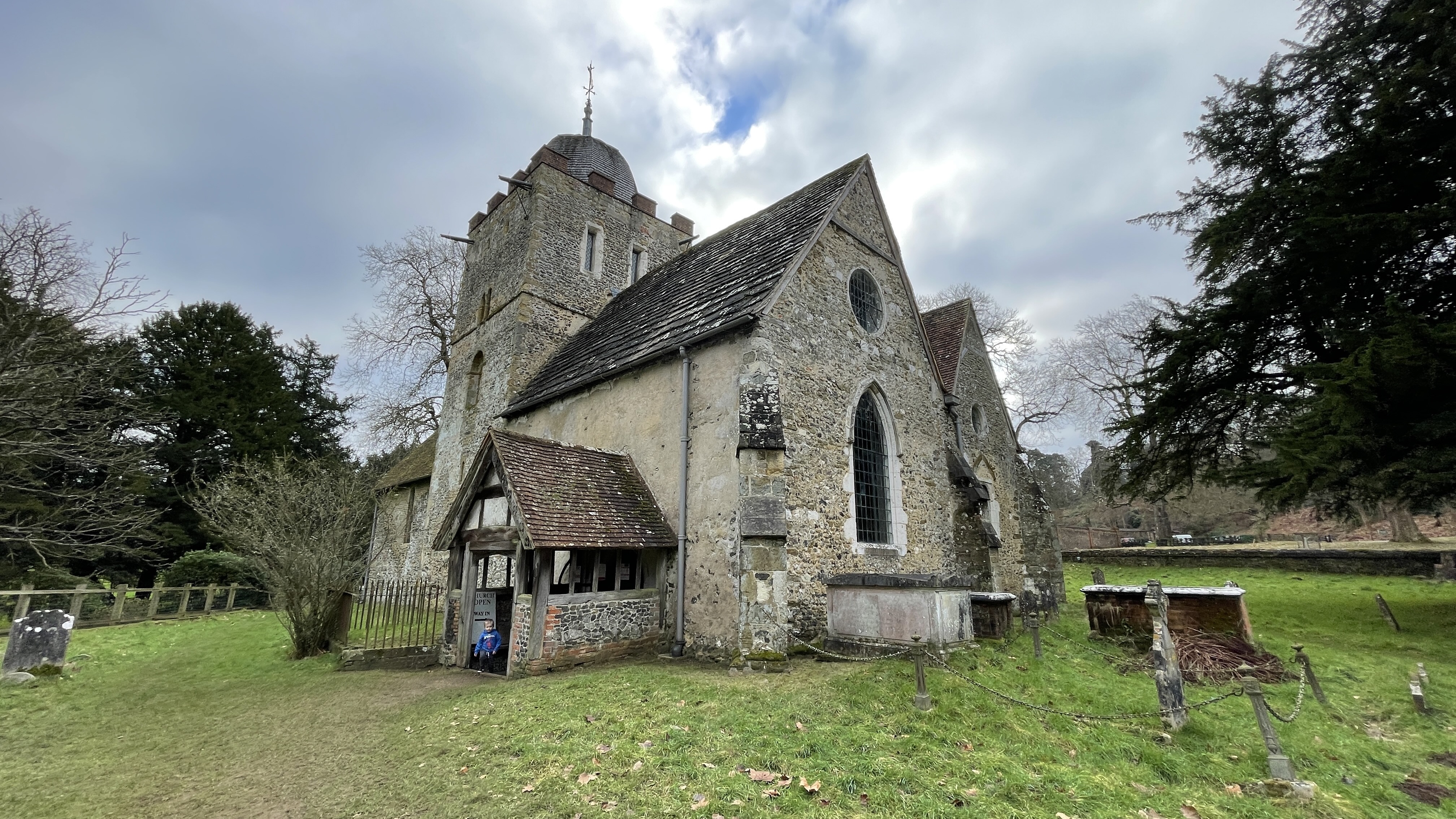
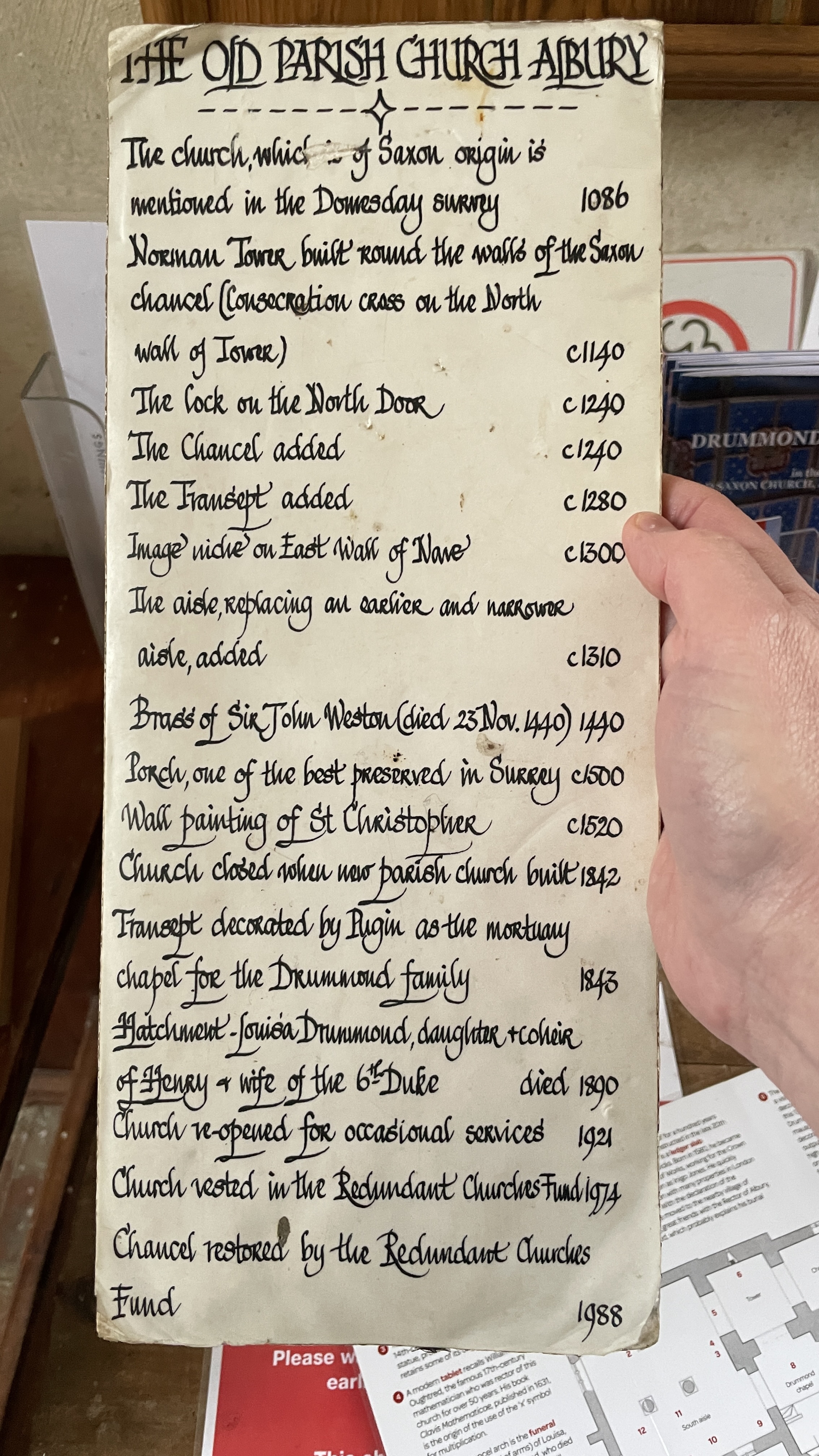
Anyway, after an appropriate time of gawking, we made our way to the church itself. Dating from the Saxon period, probably 12th century, it’s been added to repeatedly over the centuries.
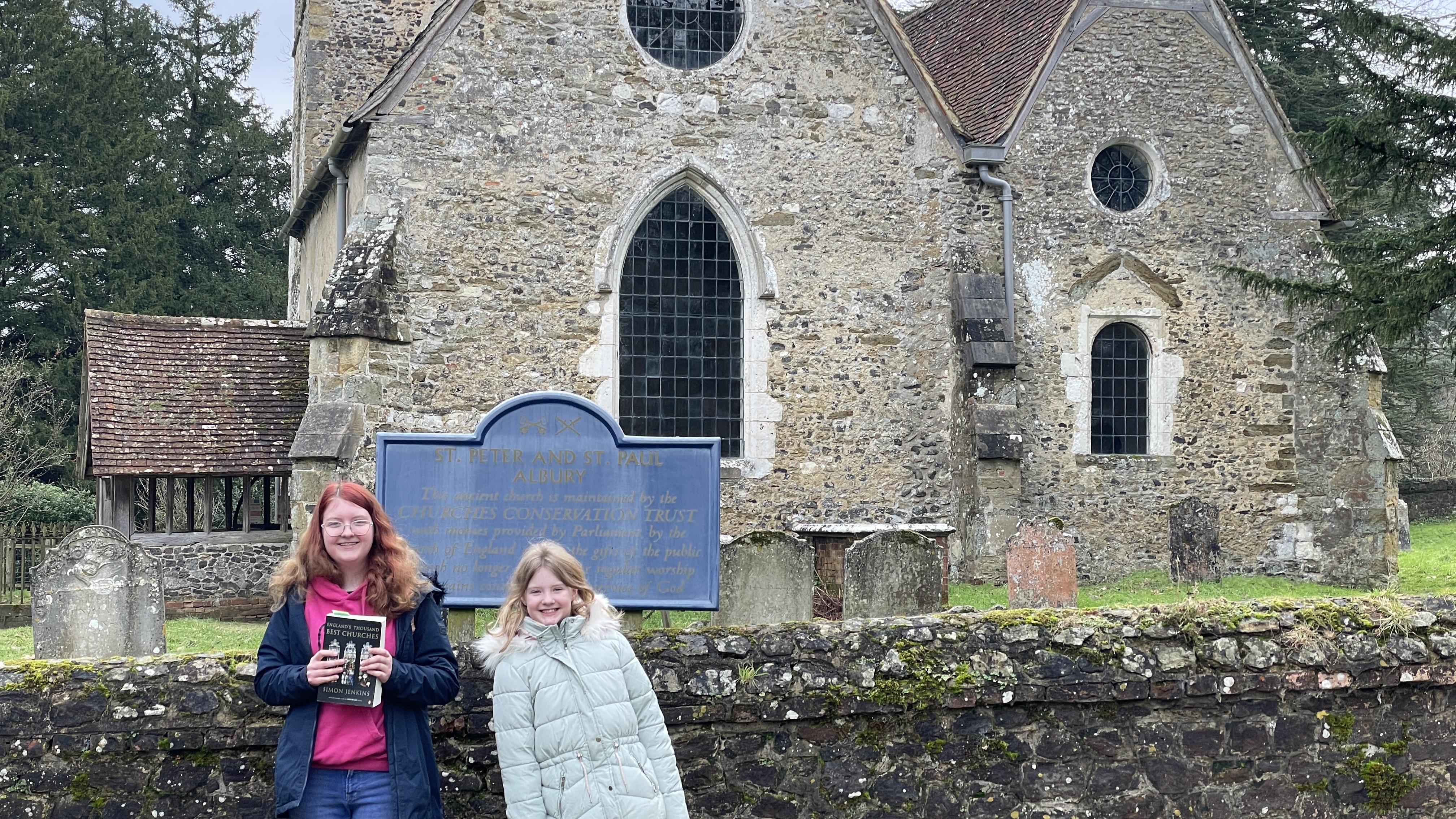
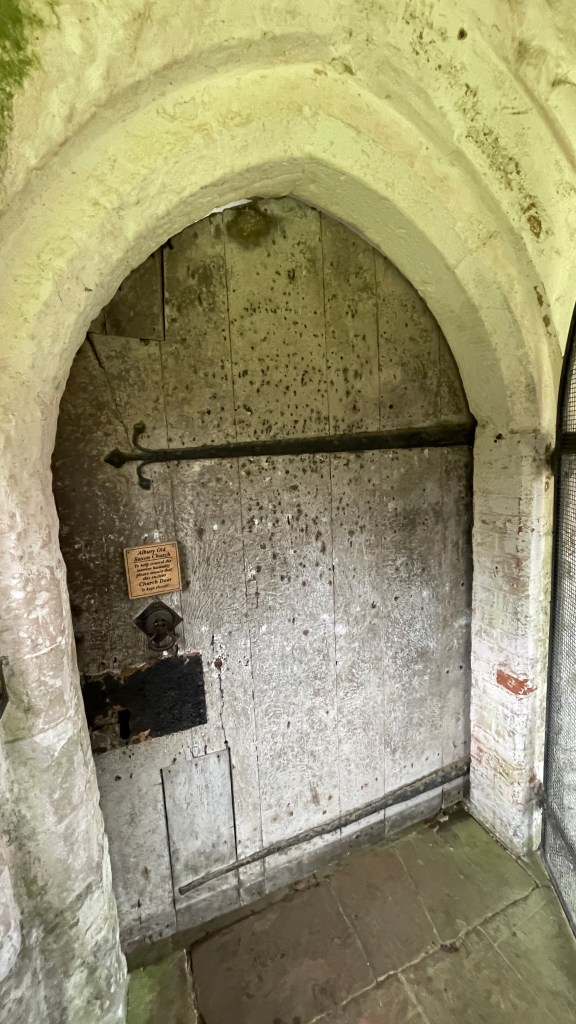
The porch (which you can see over Lizzy’s shoulder above) was added in the 15th century. The door to the inside dates from the 13th.
They don’t make ’em like they used to.List of additions and repairs.
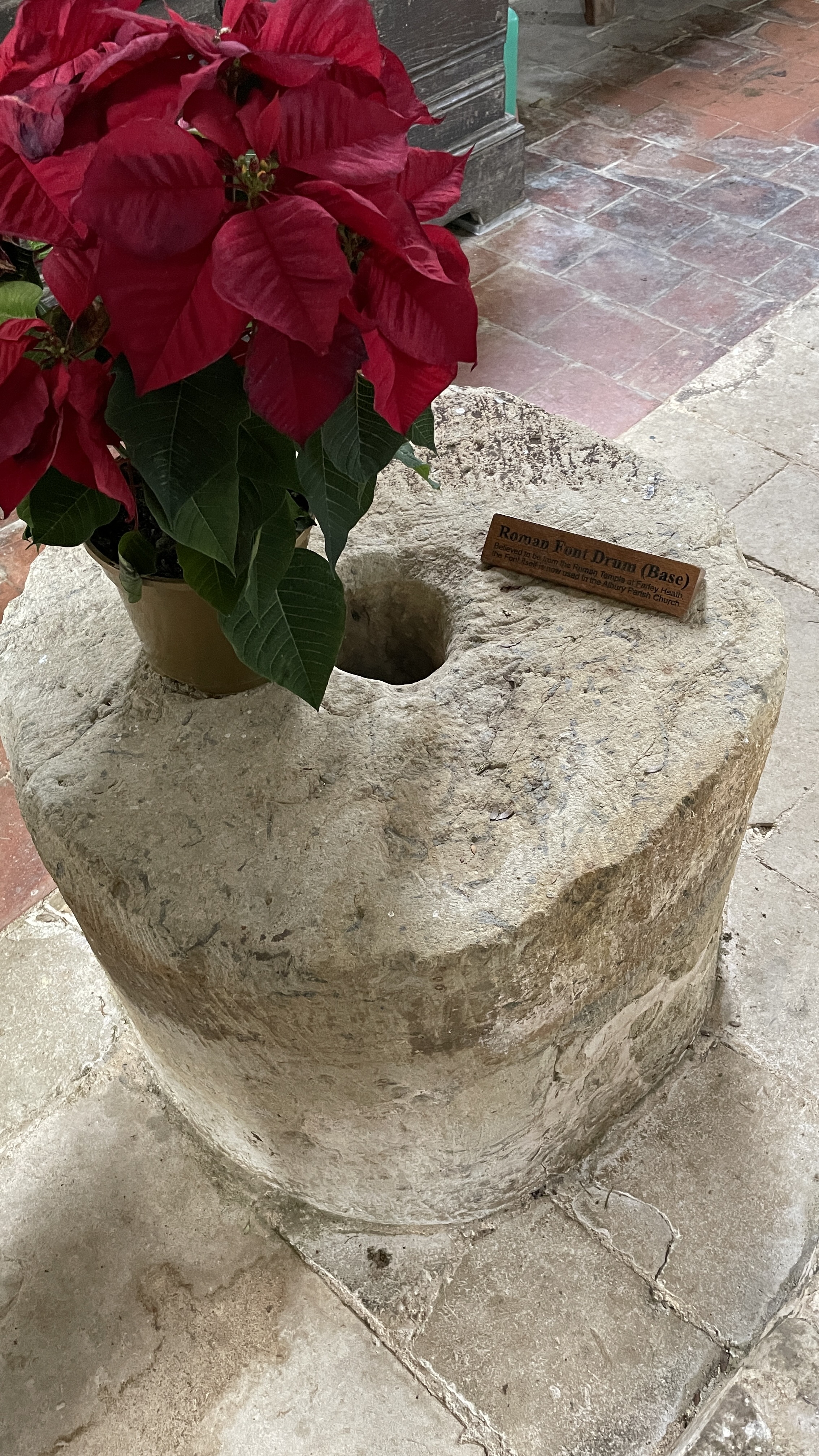
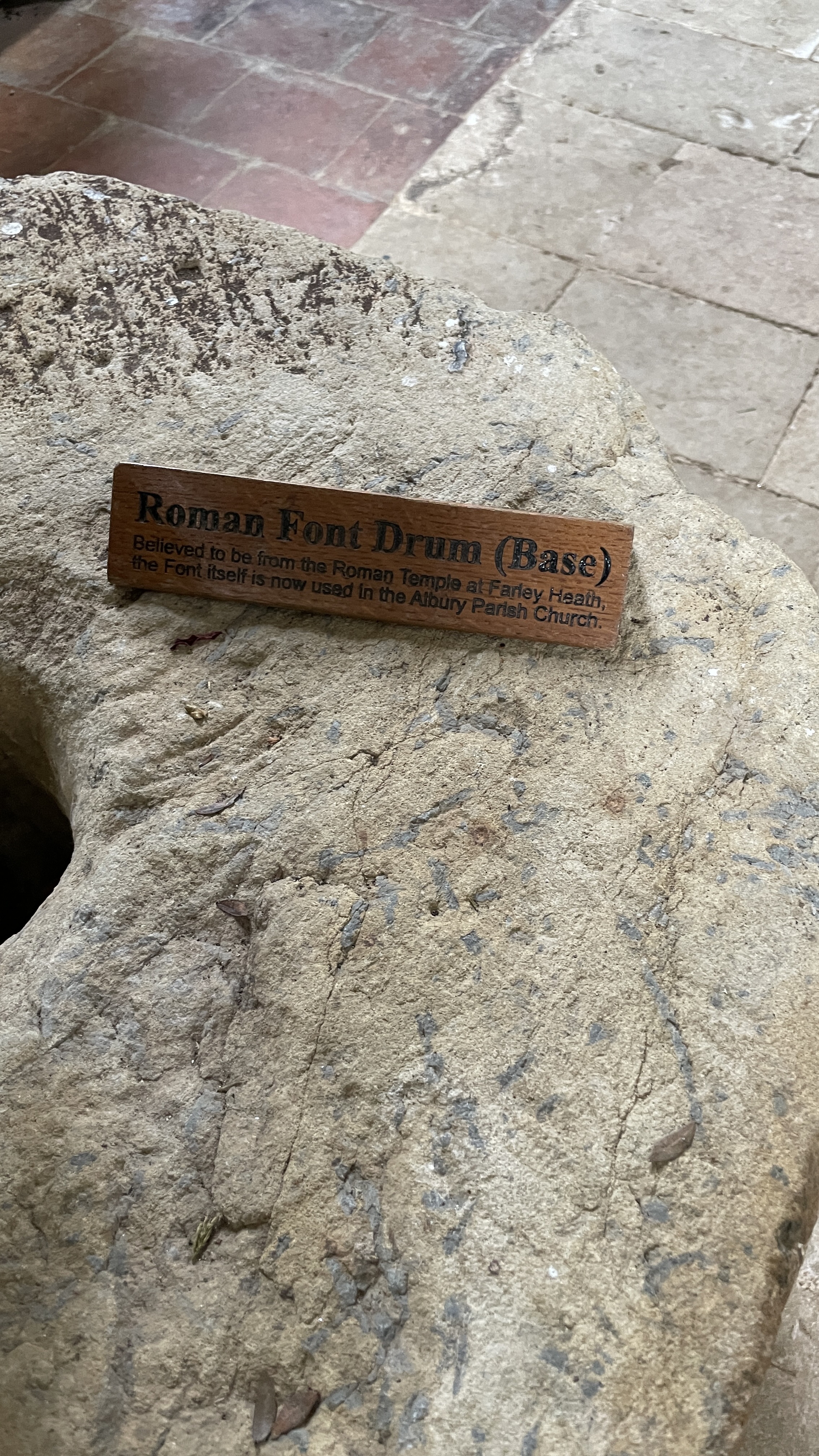
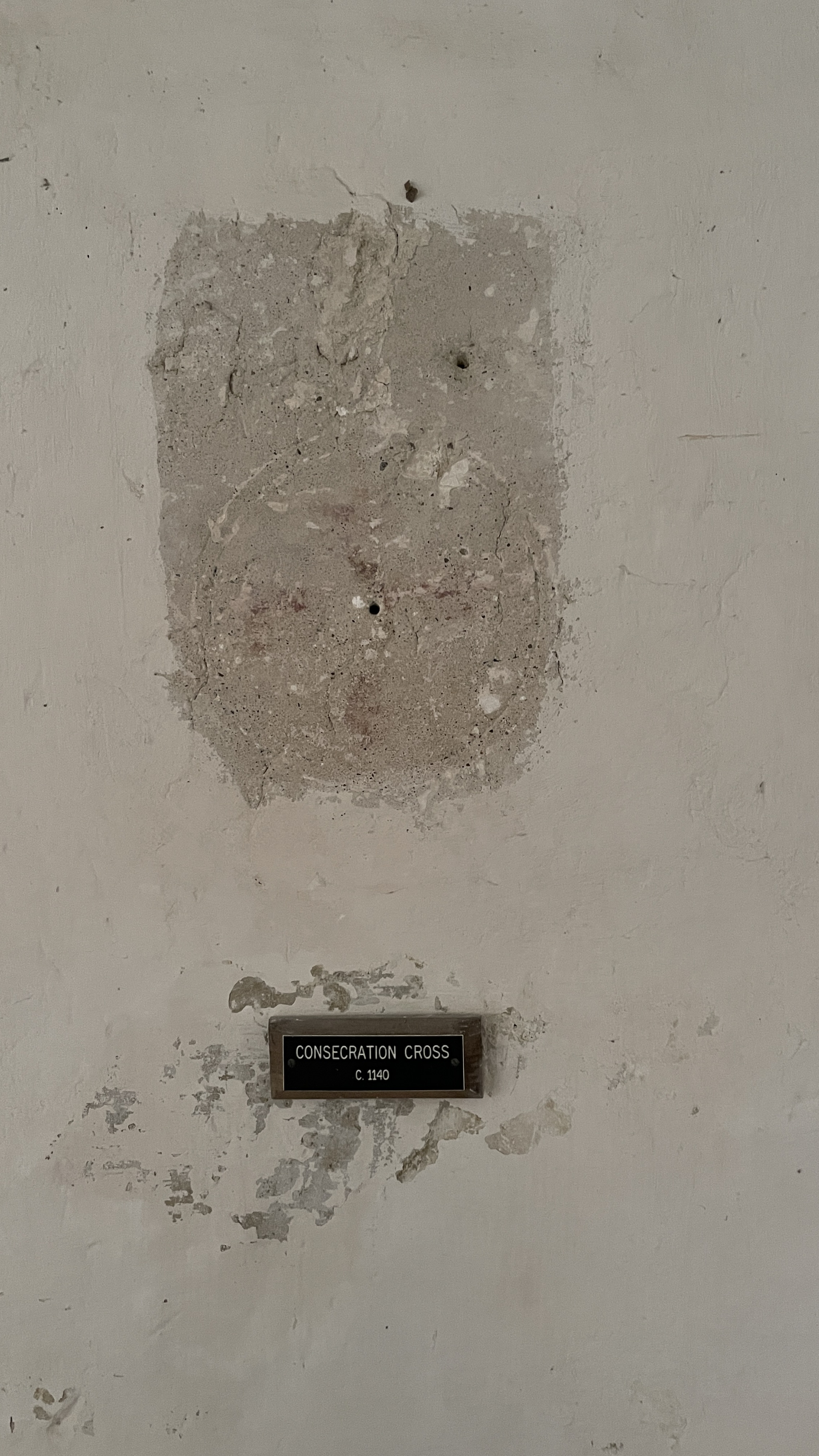
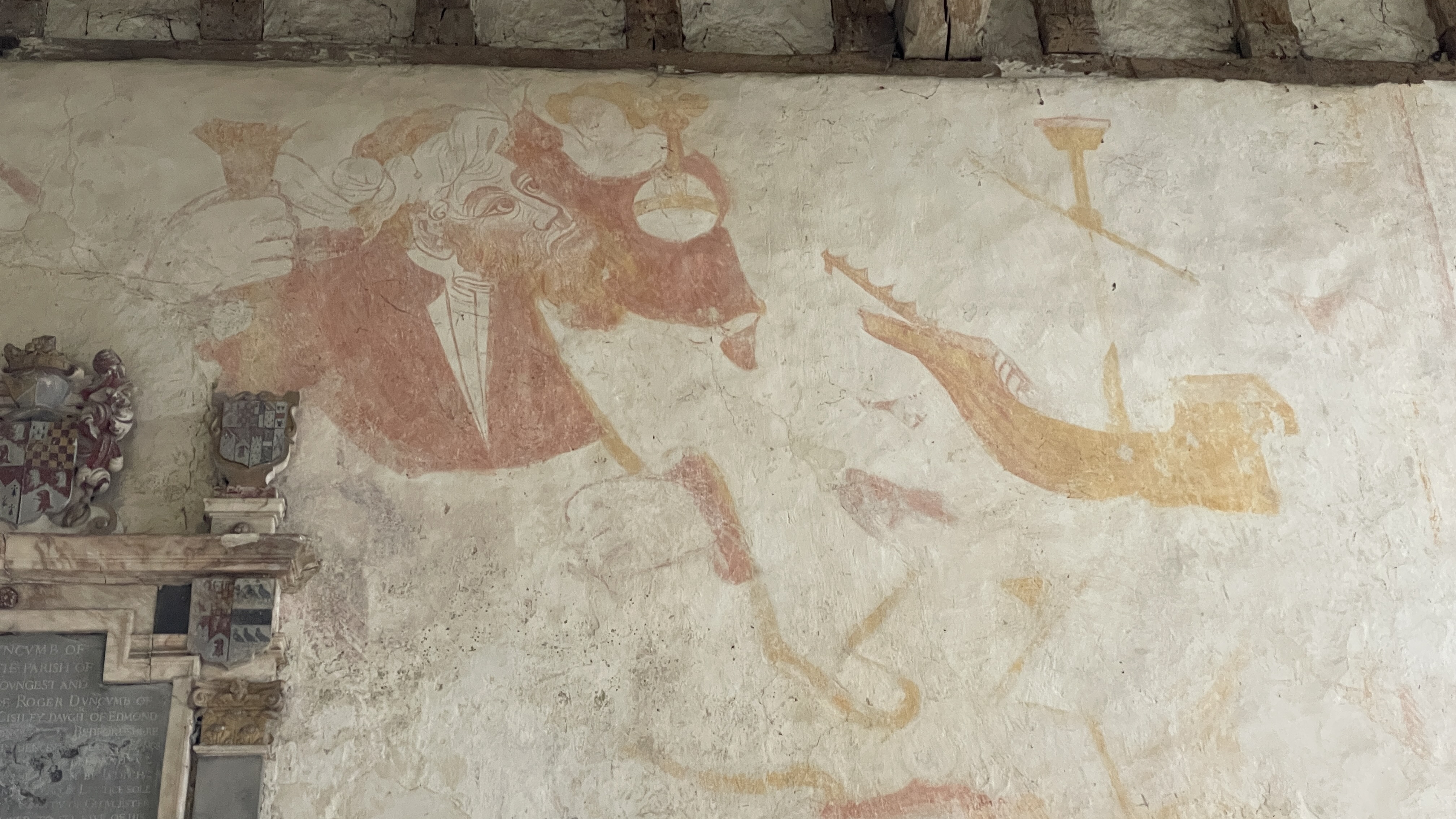
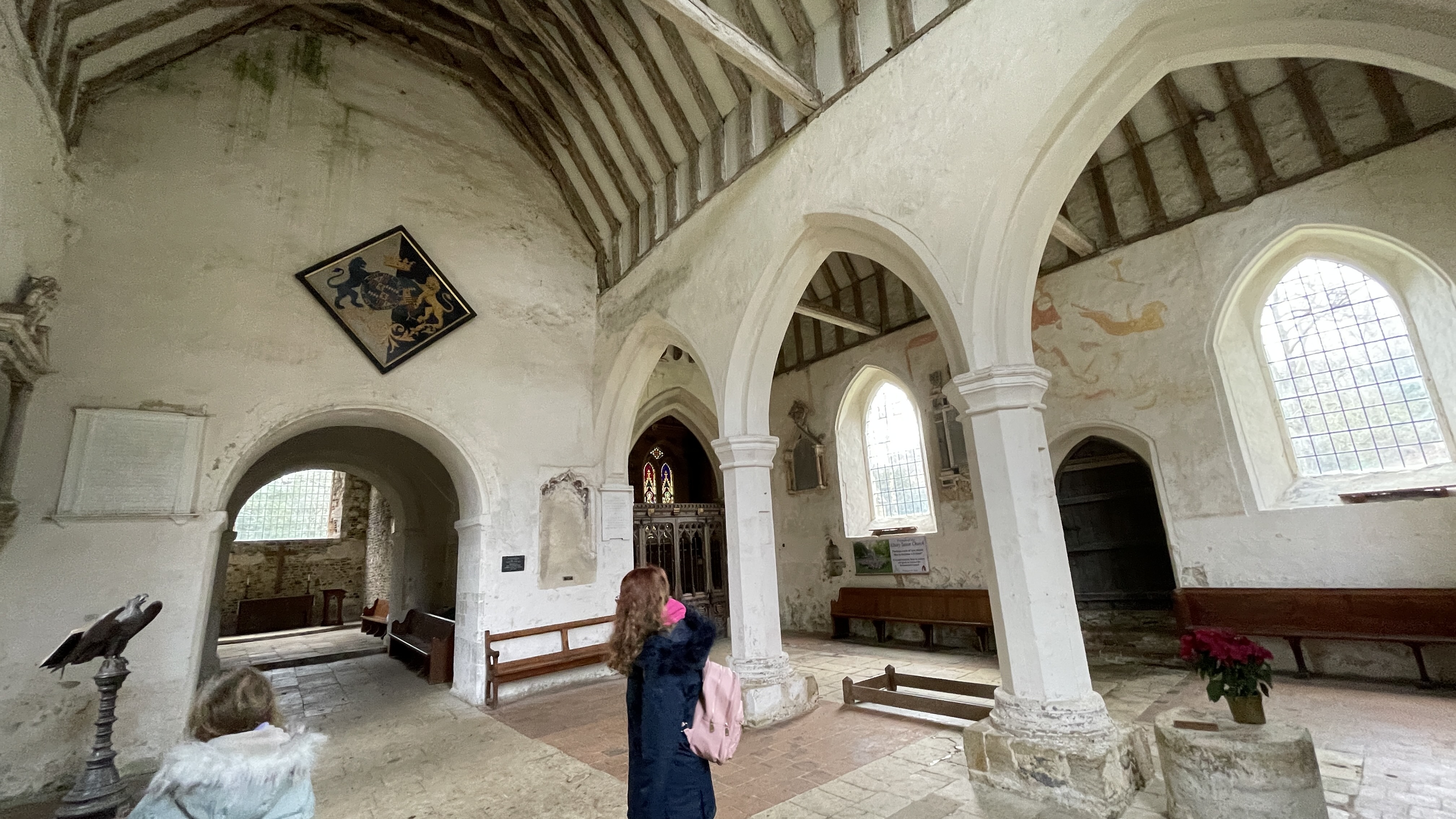
The church itself is no longer used for regular worship, so it’s very sparse inside. However, there are a few leftover relics that make it worth the trip. The baptismal font (below with the Poinsettias on it) is believed to be from a Roman Temple in nearby Farley Heath. Opposite are the remains of an 11th Century cross carved into the wall. Above the south door can still be seen a wall painting of St. Christopher (c1520).
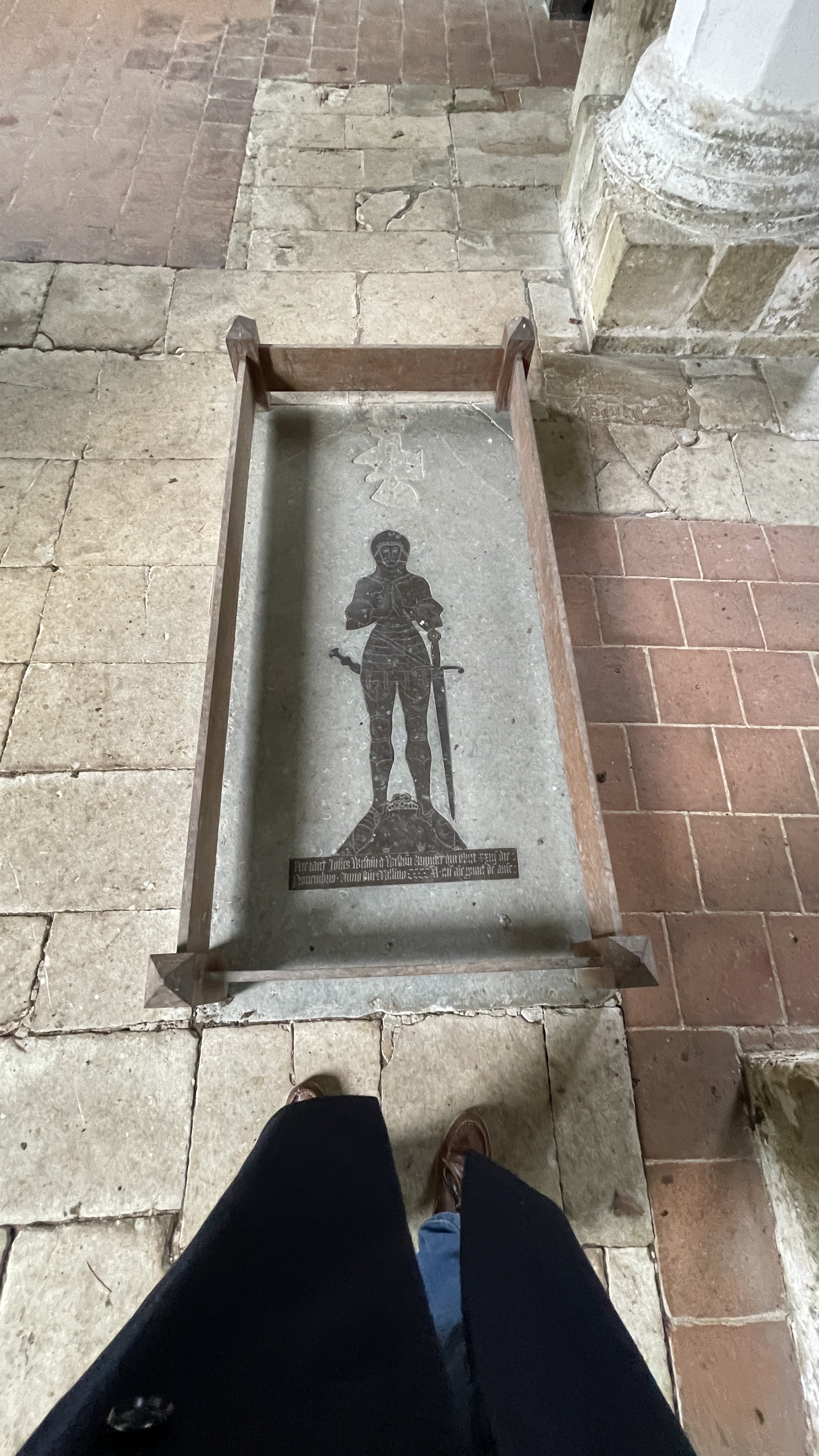
Font from a Roman TempleCloseup of plaque.Remains of carved cross.Mural of St. Christopher.Bell tower, rebuilt in the 1980’s. The chapel for Henry Drummond.A tomb for (presumably) a knight.
Among the curiosities is a small side chapel, added in the 1800’s, for Henry Drummond, the then owner of the Manor. Drummond was involved in a small Protestant sect called the Catholic Apostolic Church, a Second Advent movement led by a Scotsman named Edward Irving. Drummond built a newer Gothic-style church nearby, where the CAC movement apparently worshipped until the 1950’s. That church sits empty, but extremely well-maintained, including electronic gates and locks, to this day.
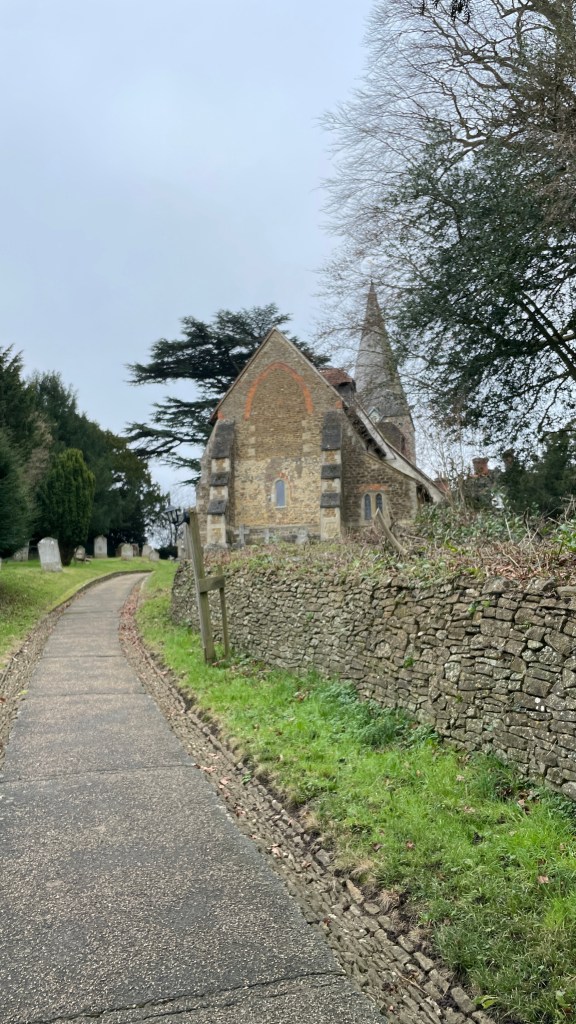
After lunch, we moved back toward Godalming to a church that I didn’t realise was on the list: the parish church in the nearby village of Compton. It was harder to get a picture of the church exterior as the church is hemmed in rather closely by trees and houses on either side, but it is still a nice sight walking up the path from the road.
St. Nicholas, Compton
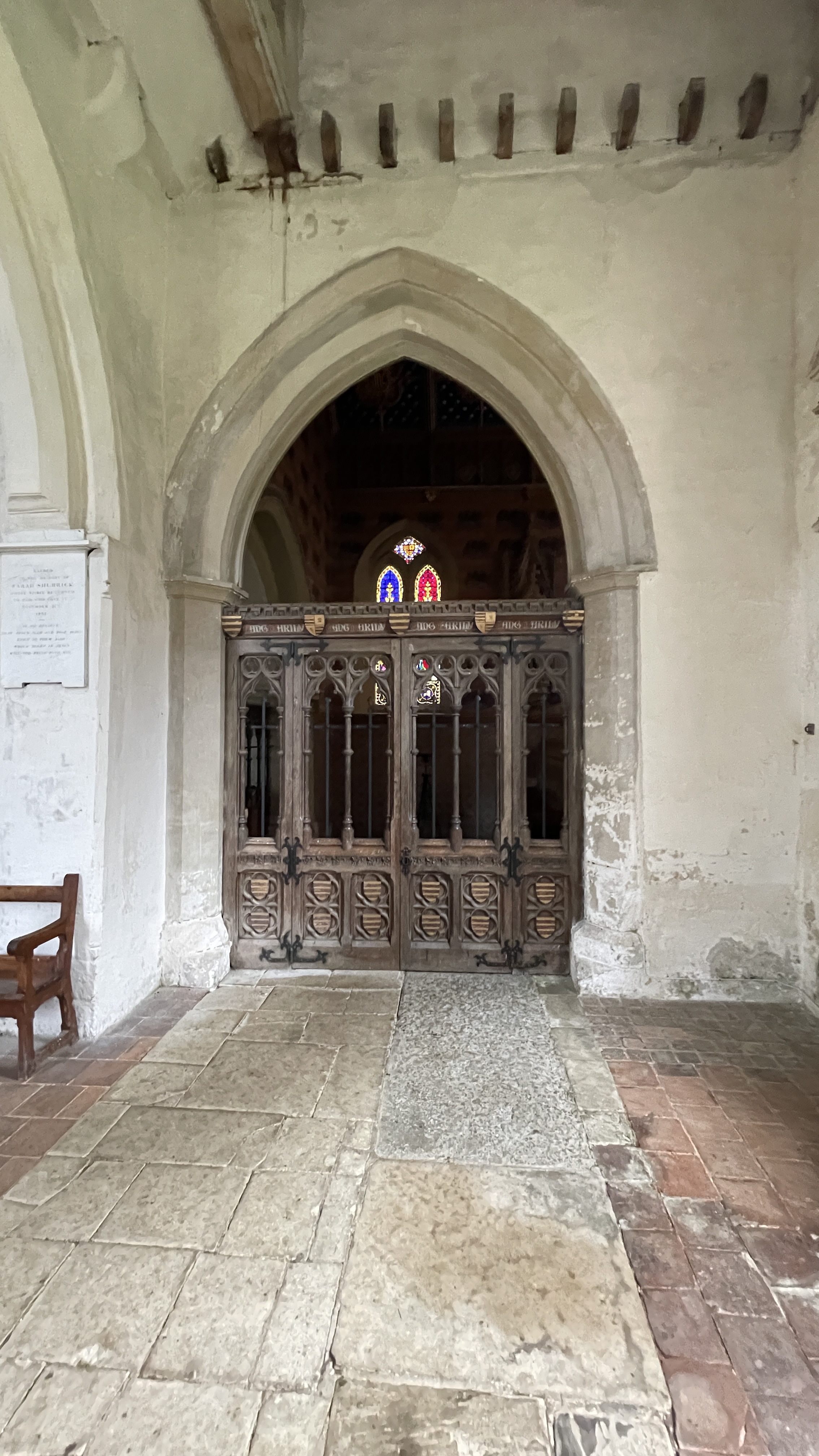
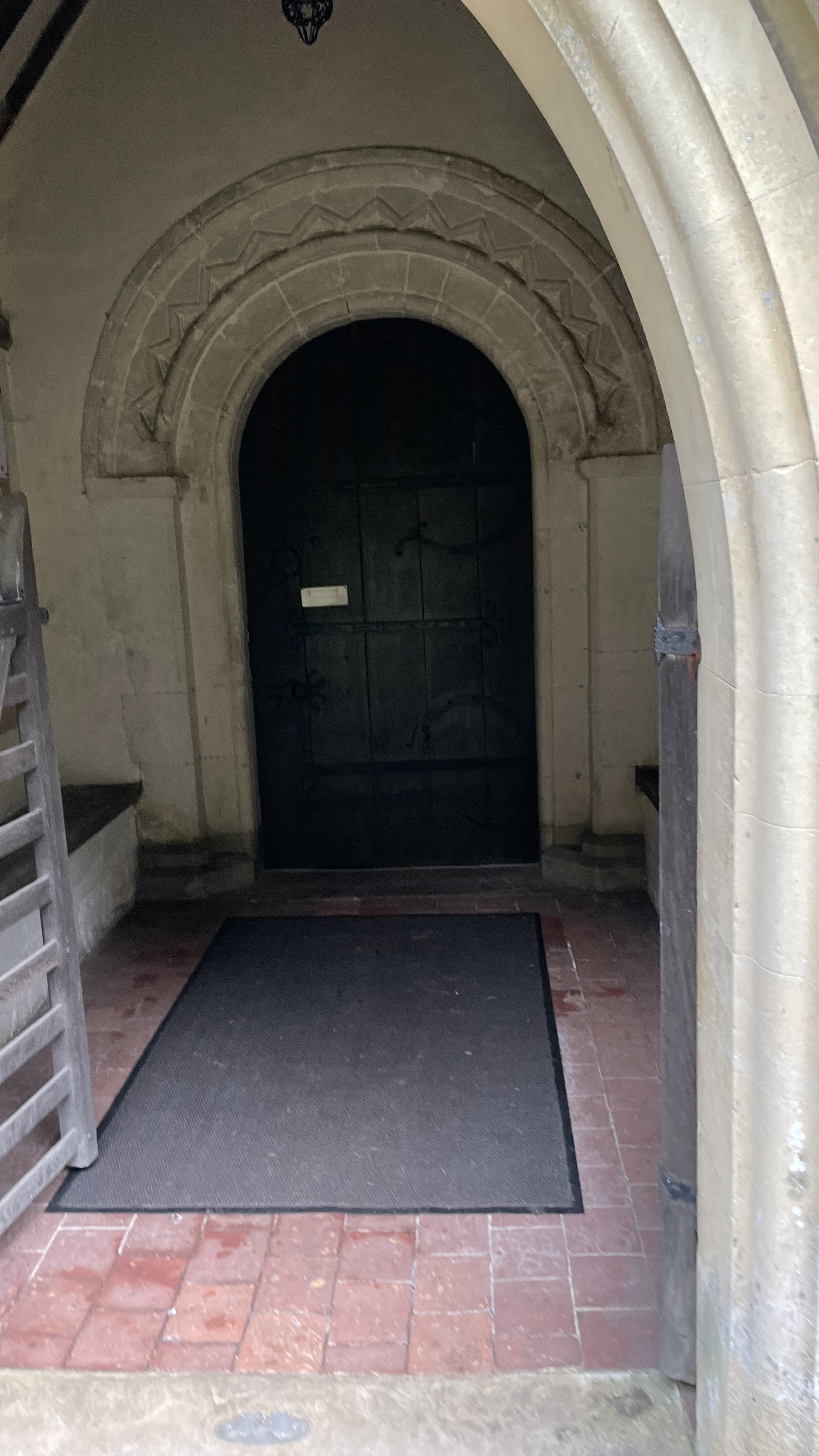
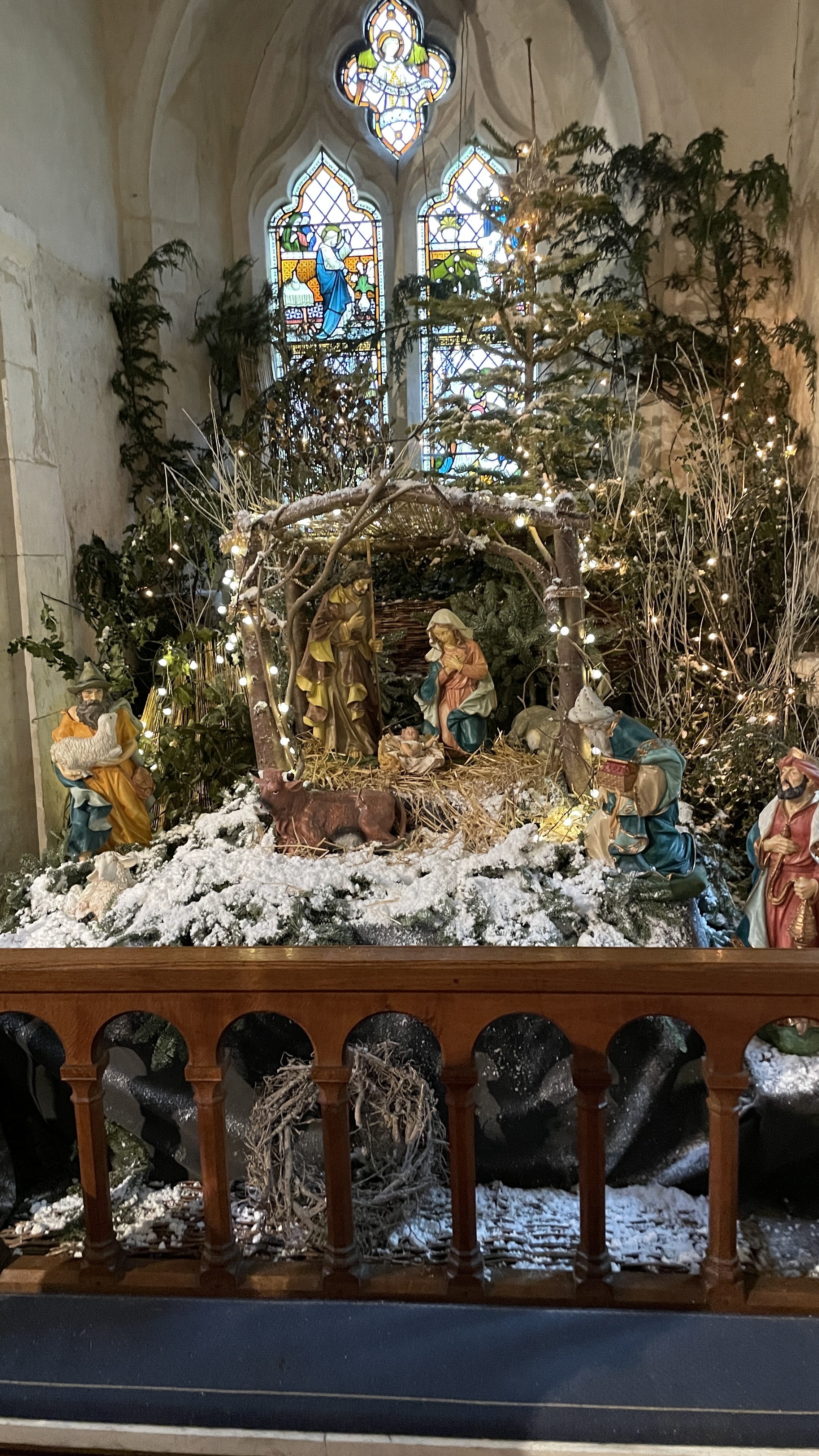
The church dates from the Norman Era, but relics found while doing work on the church foundation suggest that the site has been occupied since Roman times. A typically imposing door opens on to a beautifully maintained building which houses an active church community.
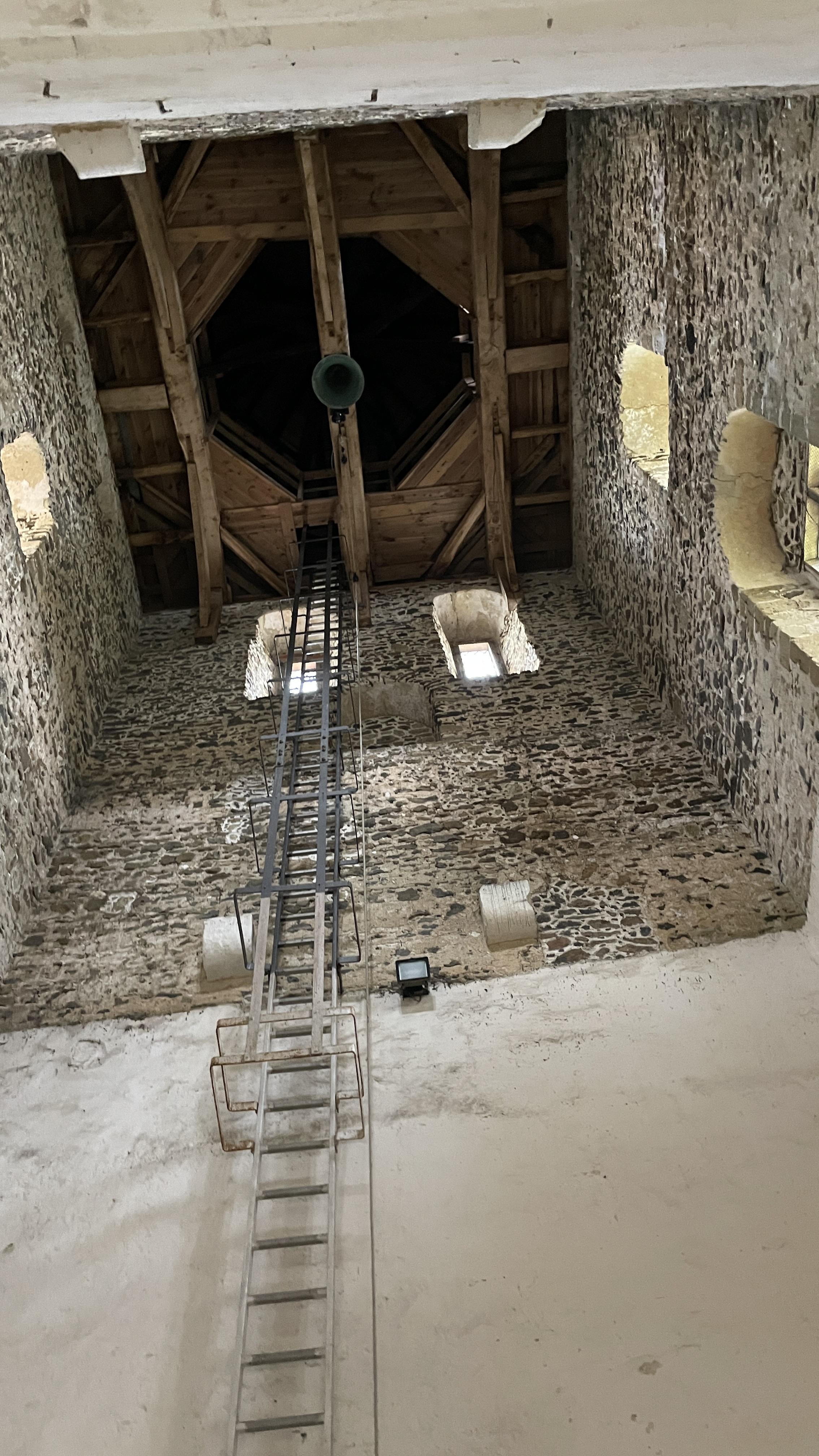
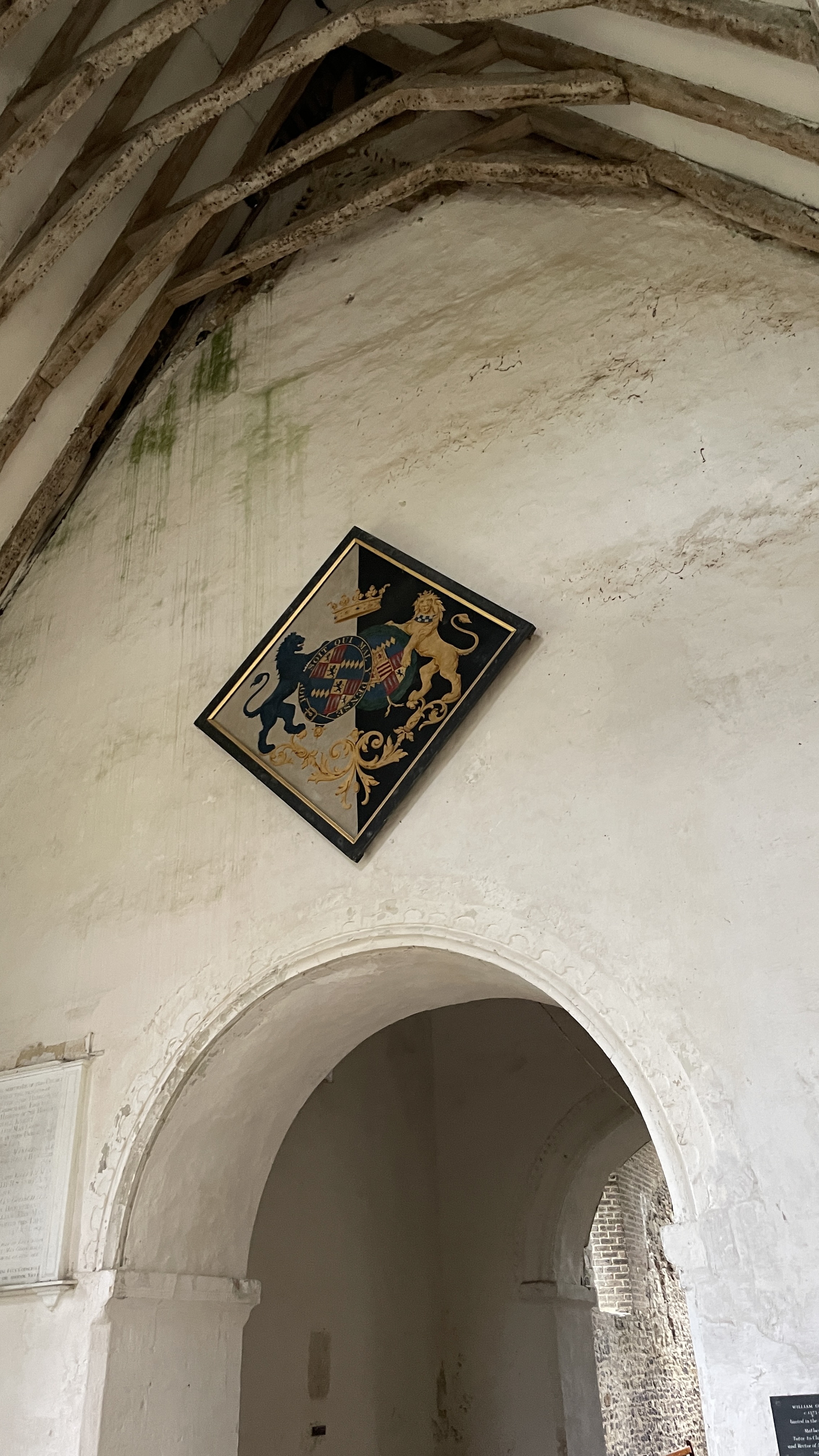
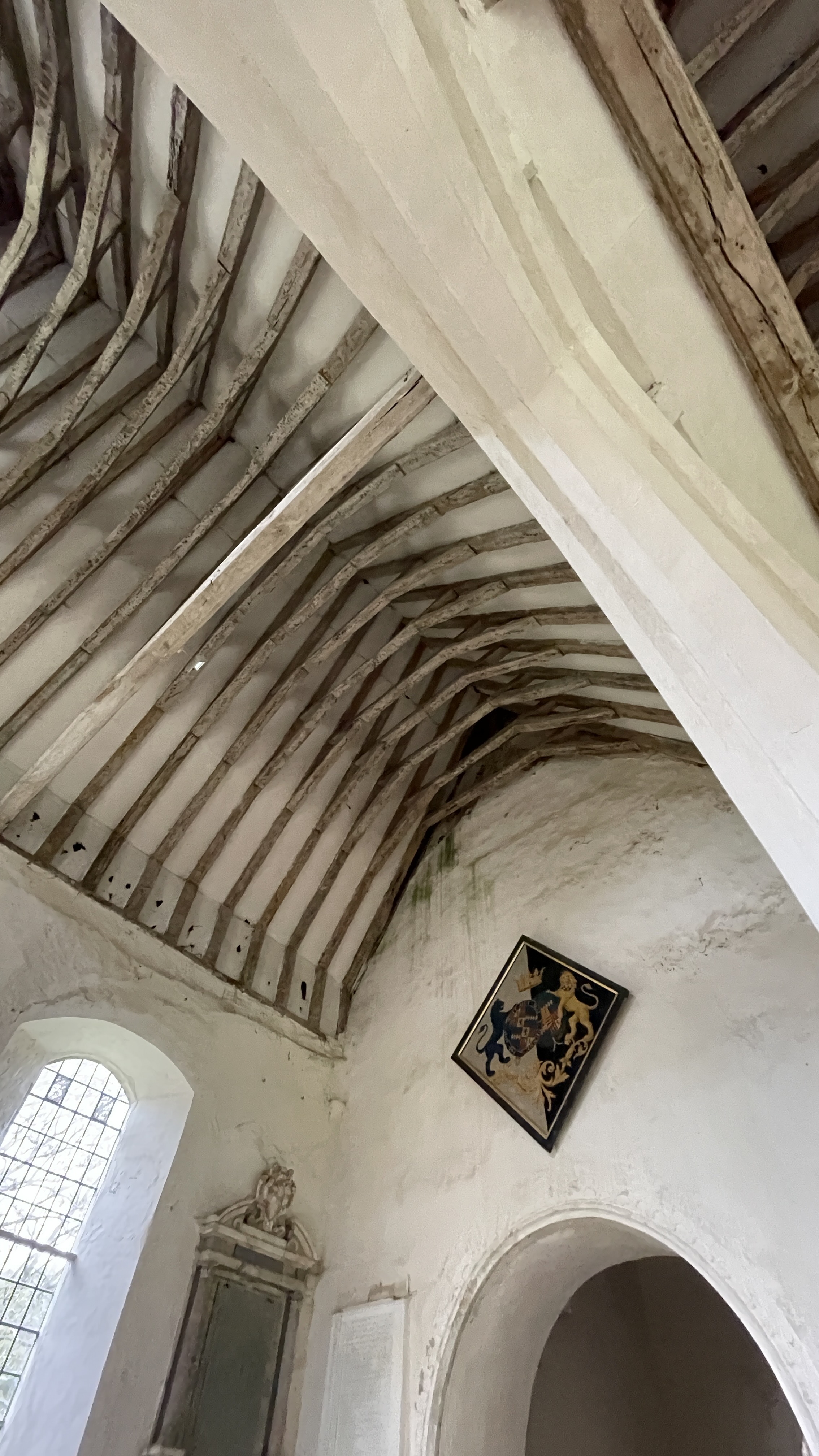
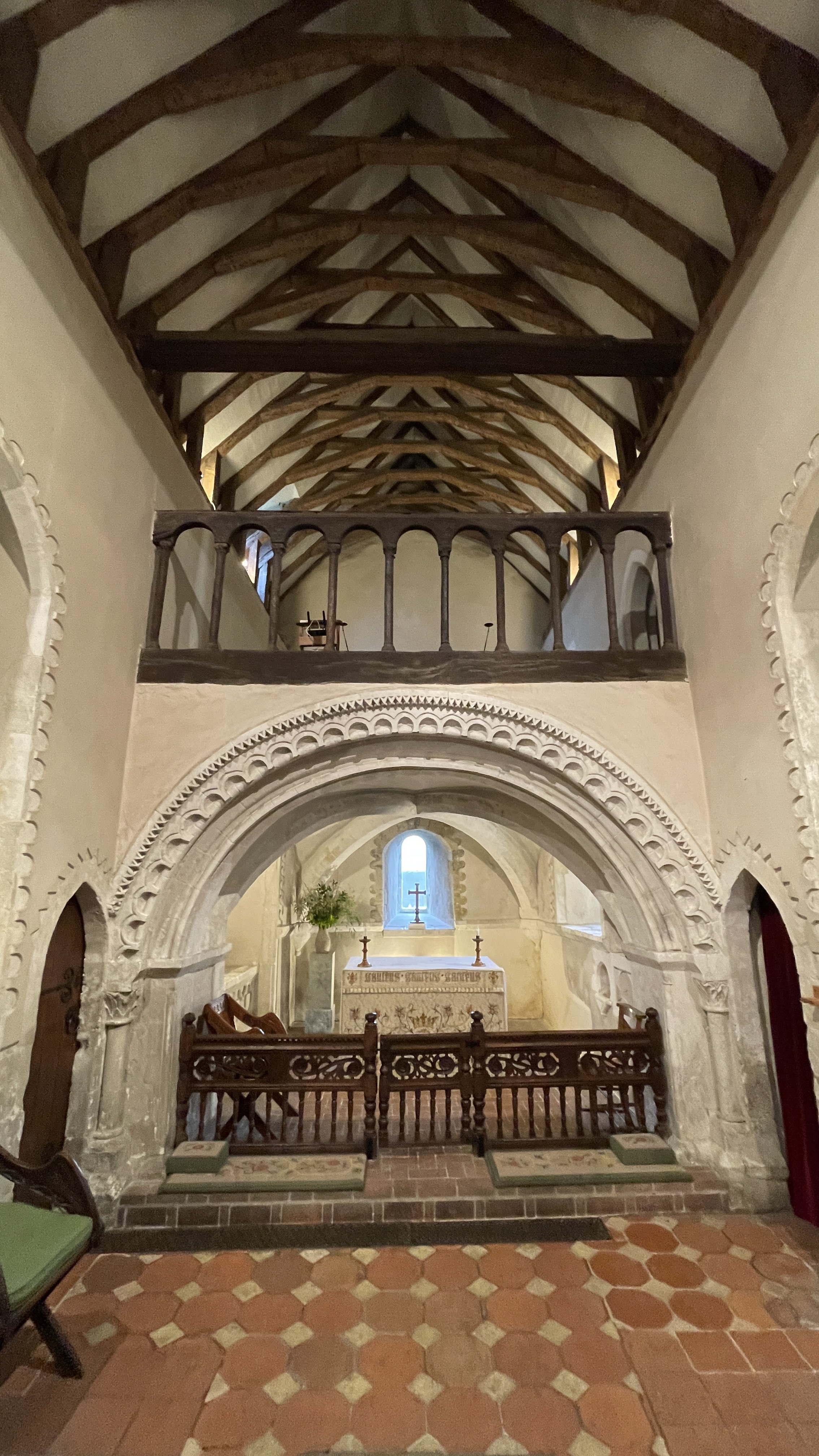
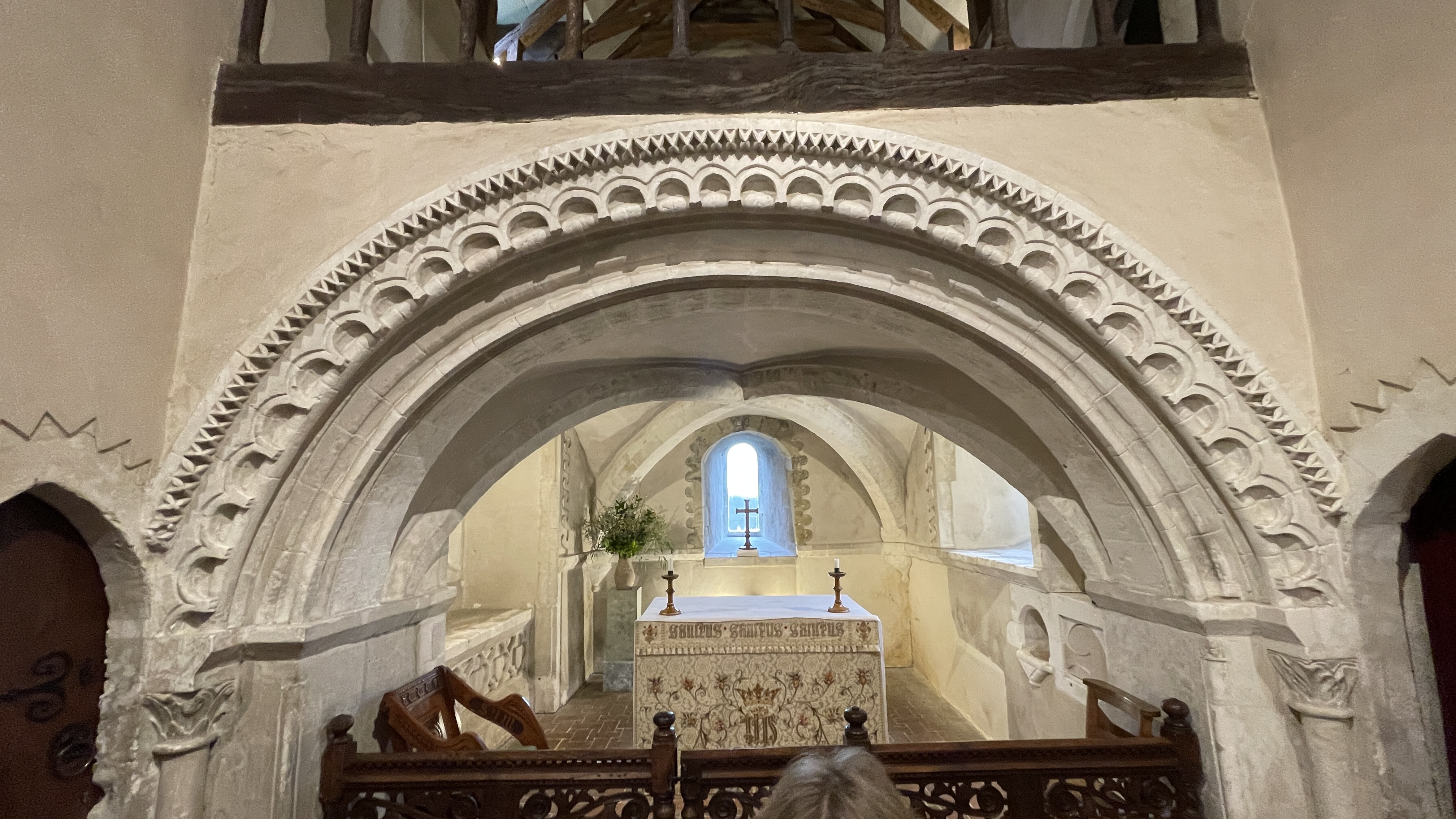
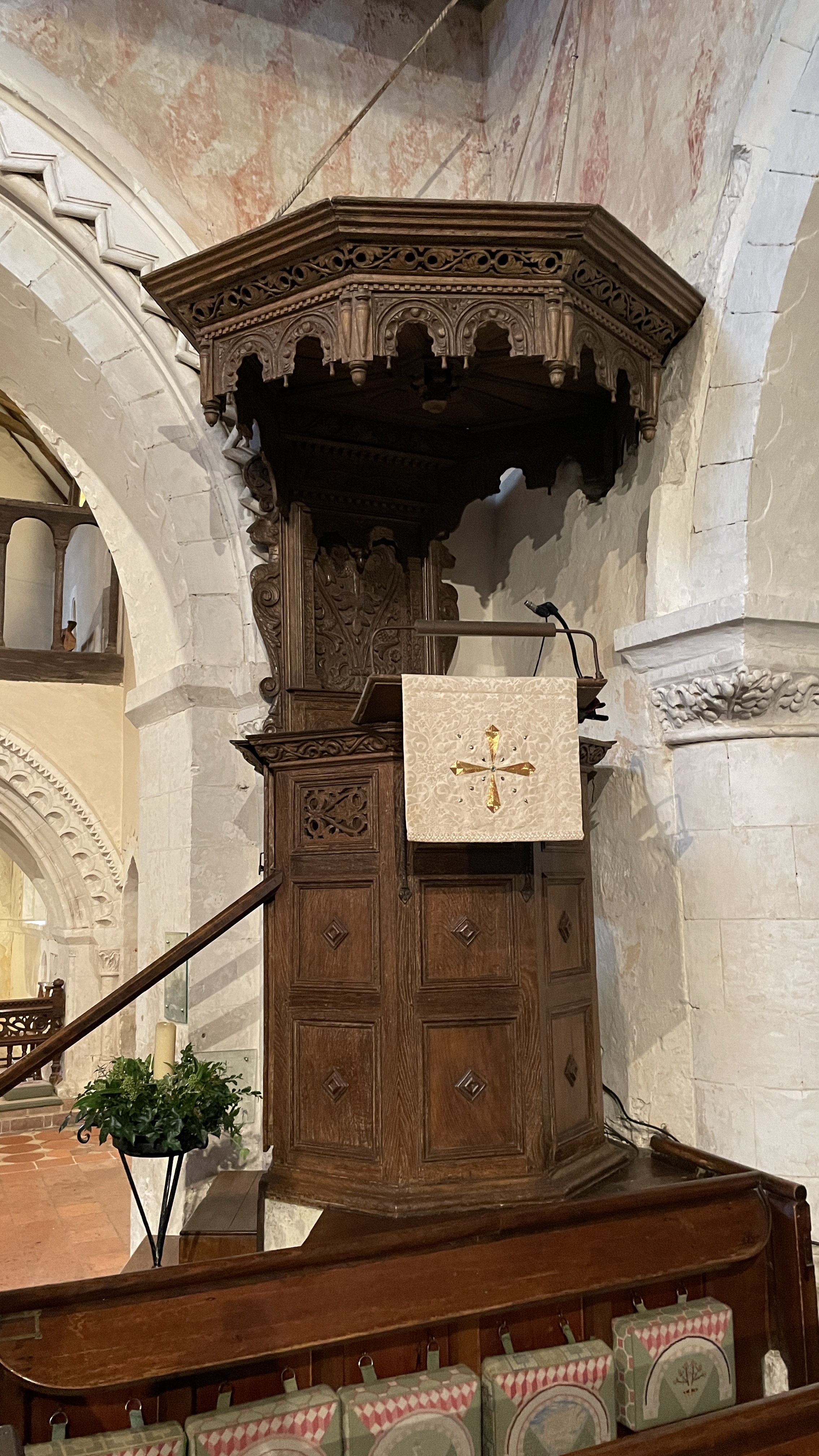
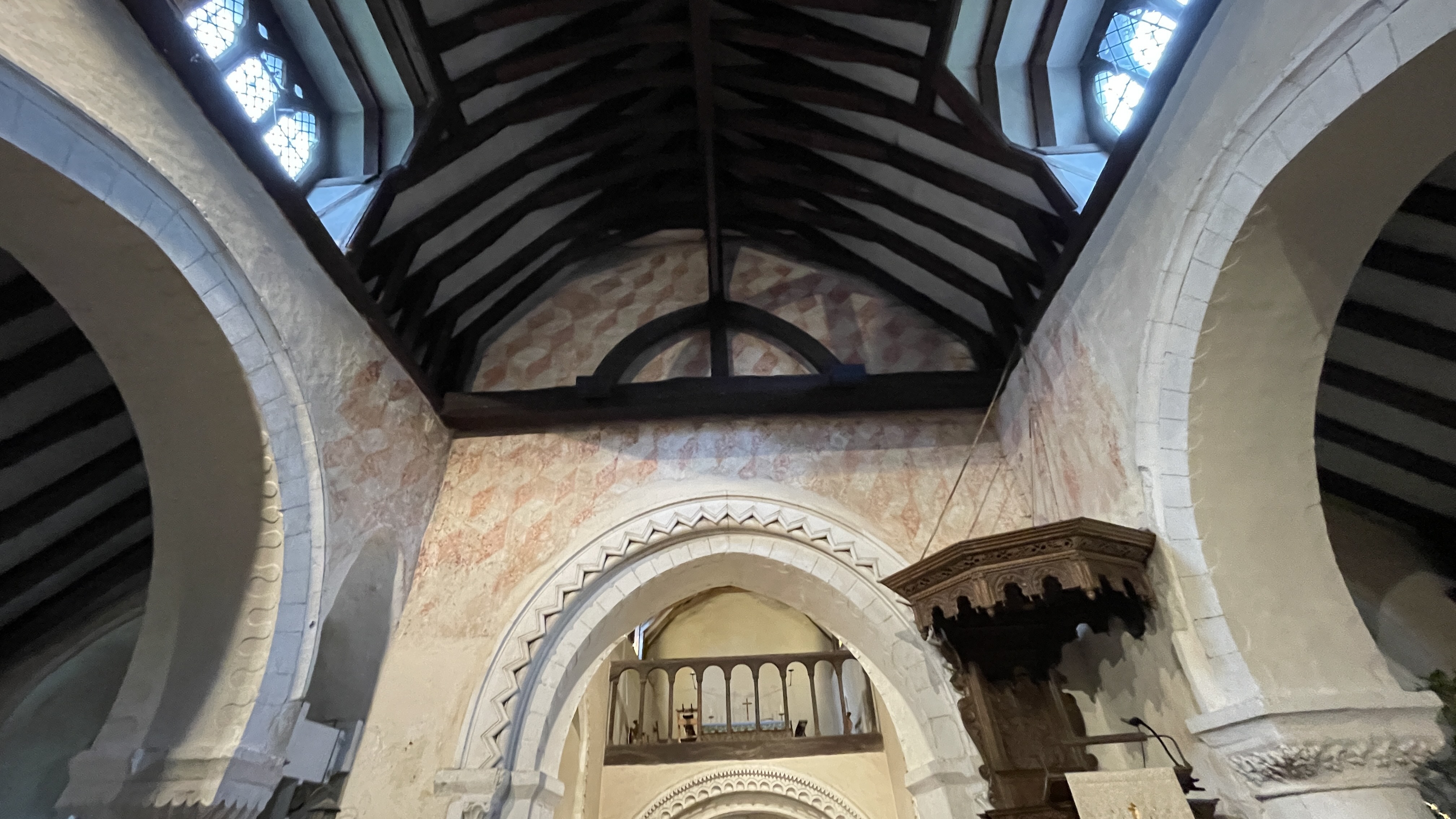
It’s most unusual feature, seen in the photos above, is a “double-decker sanctuary”, the only one to survive in England. No one is really sure what the upstairs gallery was used for. It’s place directly above the altar seems to preclude extra seating for the congregation as they would not be able to see the Mass. Some historians suggest it could have been a viewing gallery for a relic visited by pilgrims on the road to Canterbury, but even the accuracy of such pilgrims using this route is disputed.
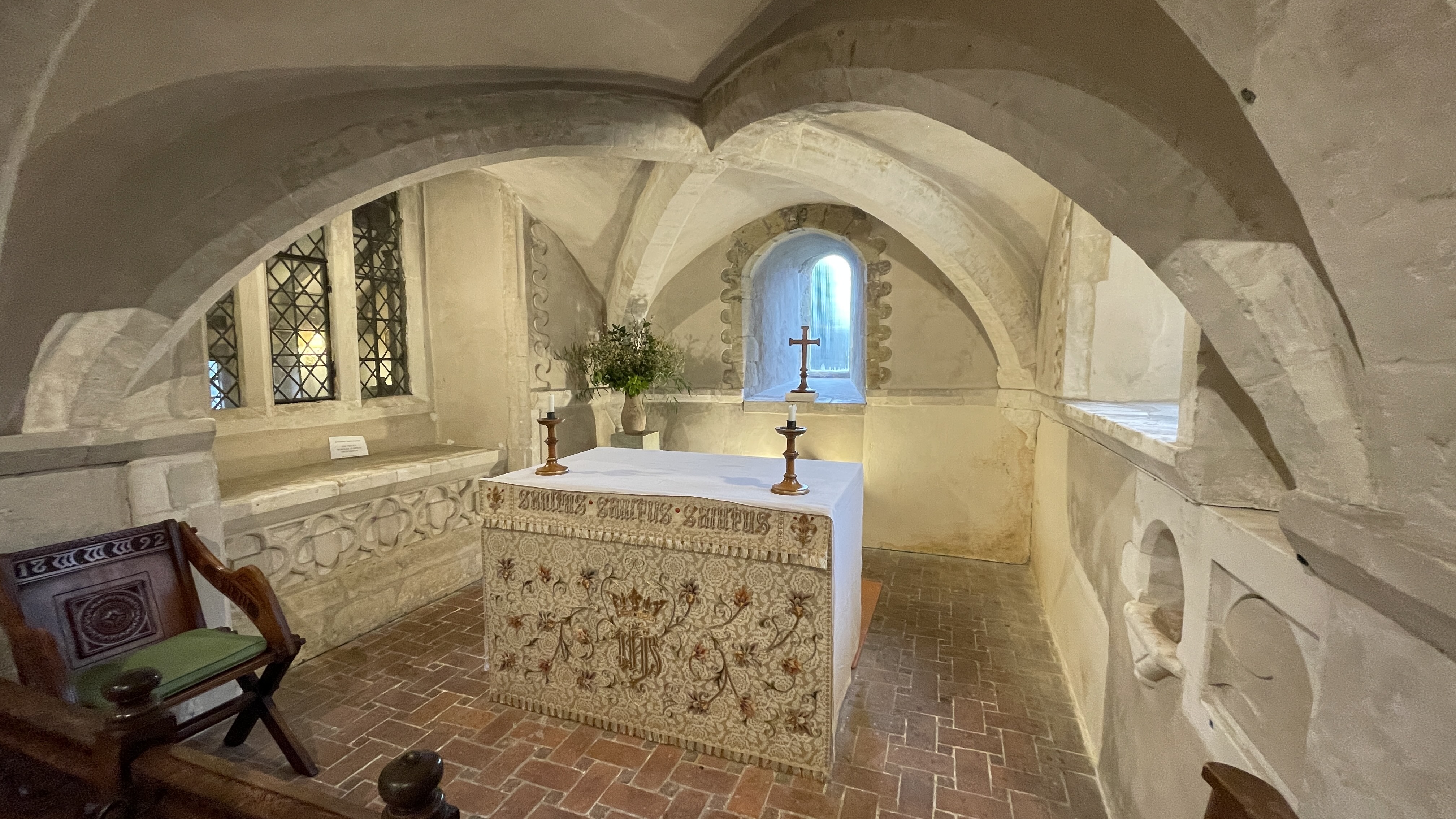
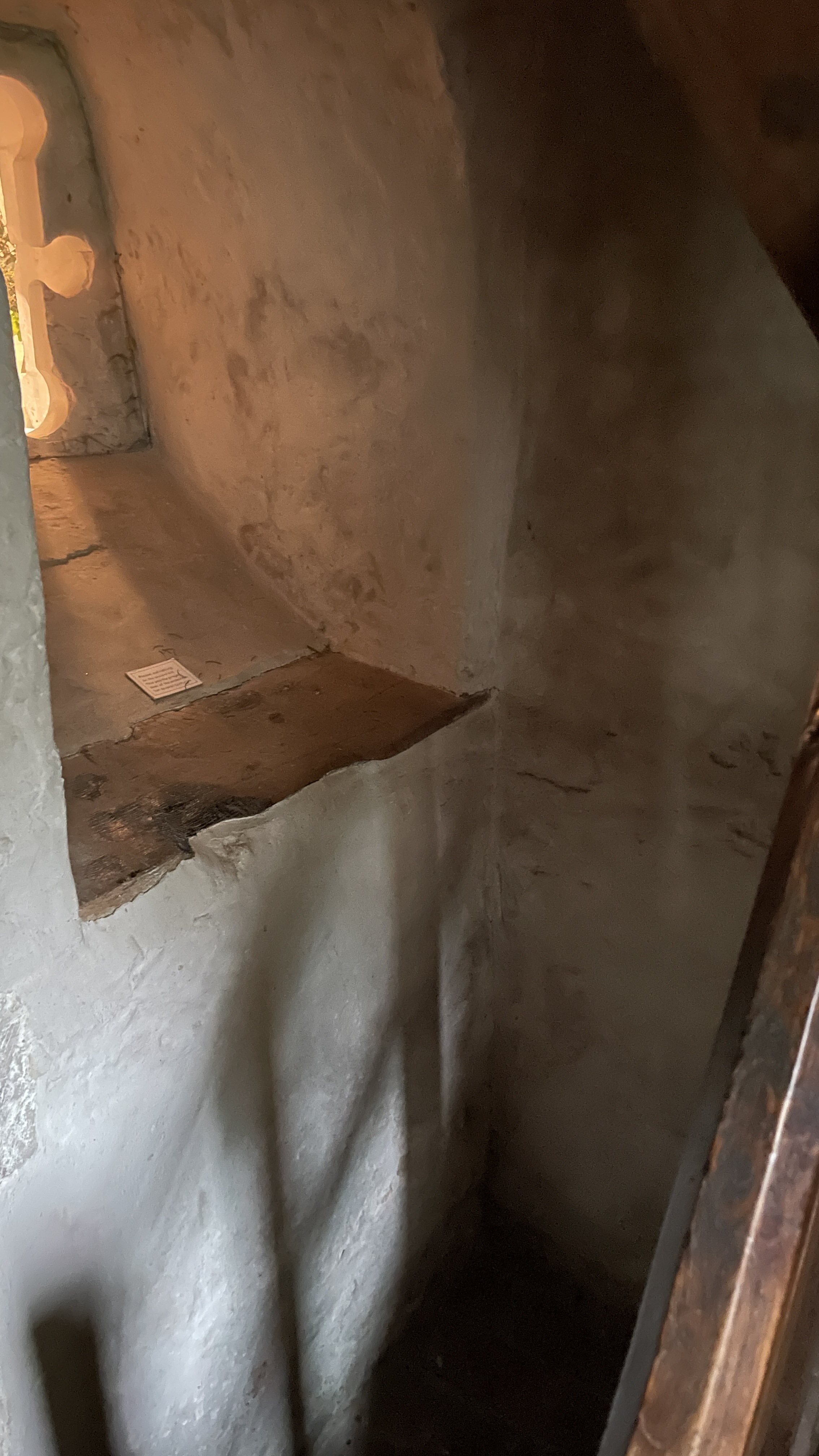
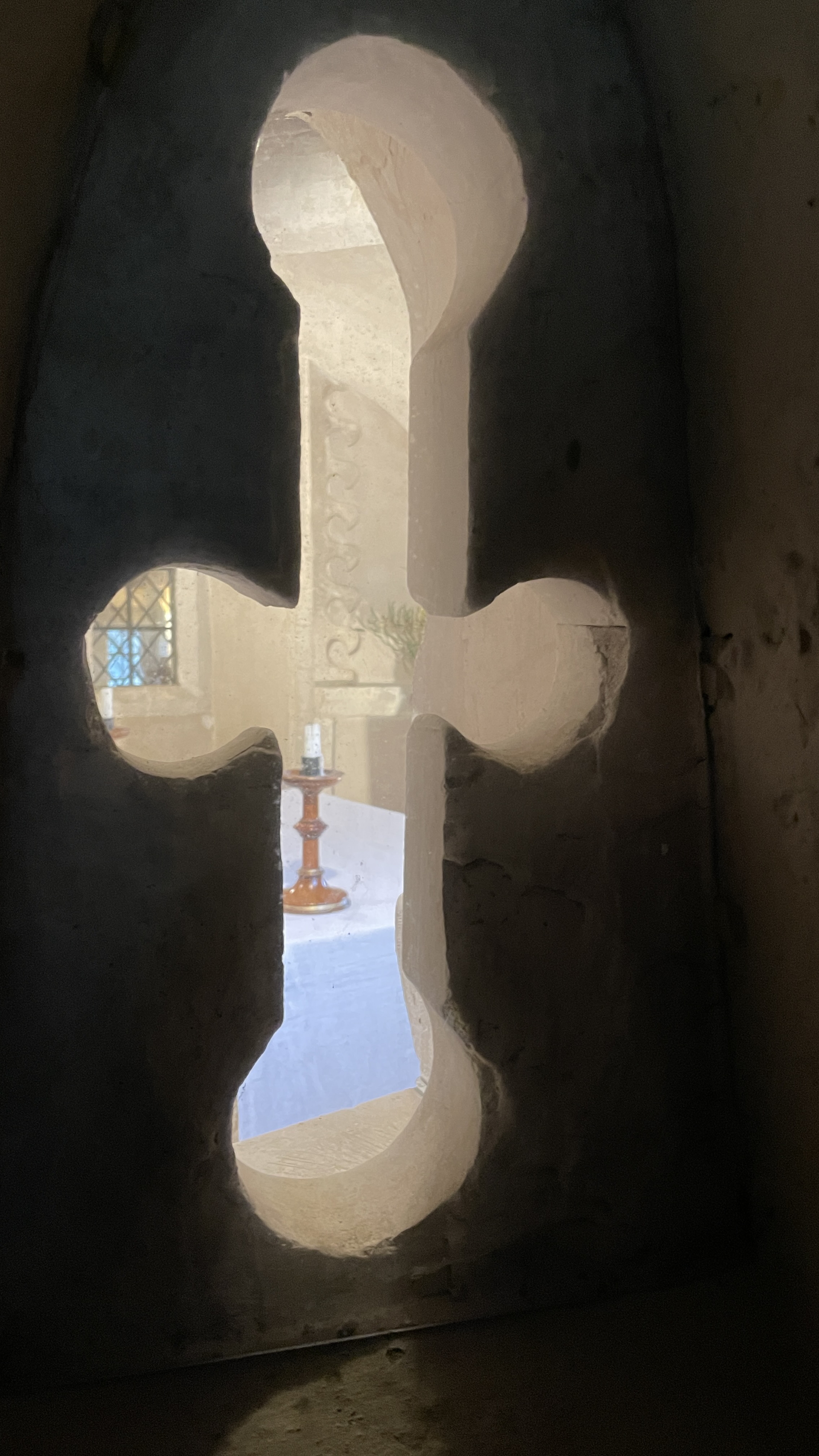
However, the church was definitely used for a rather interesting bit of Church history, that of the anchorites. Anchorites were one of the earliest forms of English monasticism. These were people that decided to separate themselves from society in order to lead a life of prayer. Rather than monasteries or convents, though, they sought this separation right in the local parish church. They would be walled up in a small cell inside the church, spending their days in prayer and self-denial. Food would be passed in to them regularly (and presumably waste passed out, but no accounts seem to mention that). Such a cell exists in St. Nicholas. It was difficult to get a good picture of due to the space constraints, but there are two photos below I want to show. The first is a picture of where the anchorite would have spent their day kneeling, looking through a small window (the second picture) on to the altar and the cross.
The kneeling area of an anchorite.The window to view the altar.
Apparently there were a number of people in Compton who felt called to such a life over the centuries. During recent foundation work, six skeletons were discovered buried under the cell, suggesting that at least that number dedicated their life in such a way.
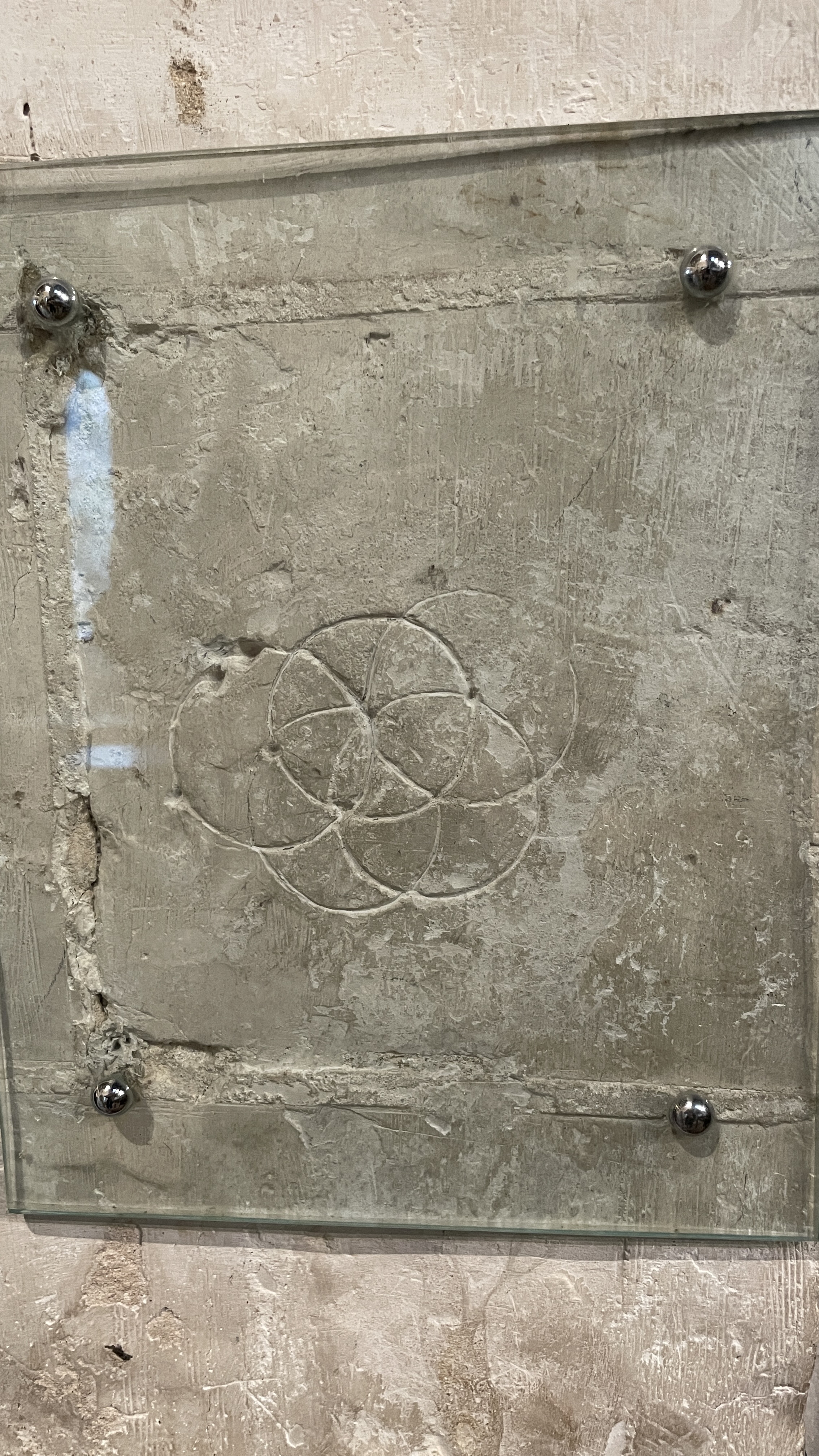
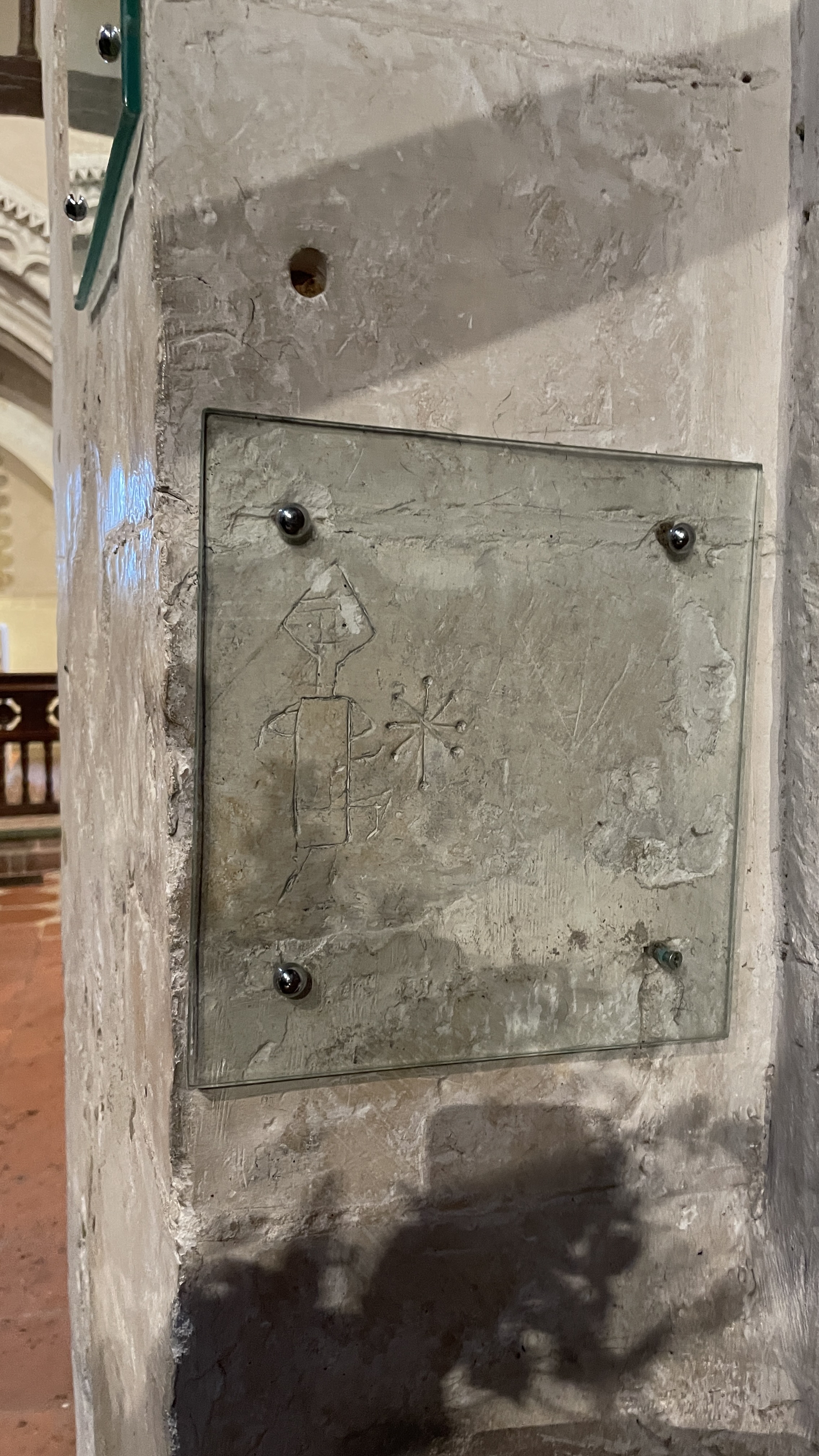
My favourite part of St. Nicholas was a different curiosity. Beside the pulpit are a couple examples of 12th century graffiti. They’re a bit difficult to make out, and, I’ll be honest, I have no idea what the first one below is. The second one, however, is fascinating. Supposedly carved by a knight before he left for the Crusades, he reportedly added the cross upon his return as a kind of thanksgiving.
Well, this post ended up being way longer than I intended, but we had some good stuff to show off. Next week, keep an eye out for a post about the church Panto, and the very unique English tradition of the Pantomime.
I have to admit that I largely avoided Memorial Day and Veteran’s Day in the States. Memorial Day has become more about the start of summer and car sales than about remembering those we’ve lost. Veteran’s Day has largely become too nationalistic and militaristic for my tastes.
In the U.K., November 11th, and the Sunday nearest to it are dedicated to Remembrance Day (and Remembrance Sunday). The original focus was Armistace Day, commemorating the end of World War 1, the “war to end all wars”. After World War II, with it’s millions more killed, the day was expanded and renamed to include them, and later those killed in subsequent wars.
One of the things we immediately liked about Remembrance Day over the celebrations in the States was the tone. As I said, Veteran’s Day and Memorial Day had become cheapened to me, both by commercial and nationalistic interests. It became more about “rah, rah, America” than it did about honouring those who served and died. In the UK, our sense is that there is still a bit of nationalism, but the focus by far is on The Remembering…not to celebrate war, but to remind us of the incredible cost of war…in order that it may never happen again.
While Covid largely caused cancellation of last year’s ceremonies, we did experience a bit of the Remembrance Sunday parade in Basingstoke in 2019. It wasn’t a parade of waving and cheering, though, but of solemn walking and remembering.
I thought that I rather liked that, but today I stumbled on to something that I think I like even better.
I finished writing my sermon about 10:30 this morning and decided to go for a walk down to the War Memorial to observe any event going. To my surprise, there was no official event today. Everything is being done Sunday. Upon my arrival, there was just a retired soldier and his wife. In the lead up to 11:00, we stood in silence reading the names on the Memorial, with about 5-10 other people wandering up.
At 11:00 we all fell silent for the required two minutes, at the end of which the anonymous soldier recited, from memory, the famous stanza of poetry:
They shall grow not old, as we that are left grow old; Age shall not weary them, nor the years condemn. At the going down of the sun and in the morning We will remember them.
He then quietly walked away, wiping tears from his eyes.
No pomp, no ceremony, no parades or bands or waving of flags, (all of which are fine and will have their place on Sunday), but just a quiet remembering of those that lost their lives protecting their countries….and a quiet prayer that it never happens again.
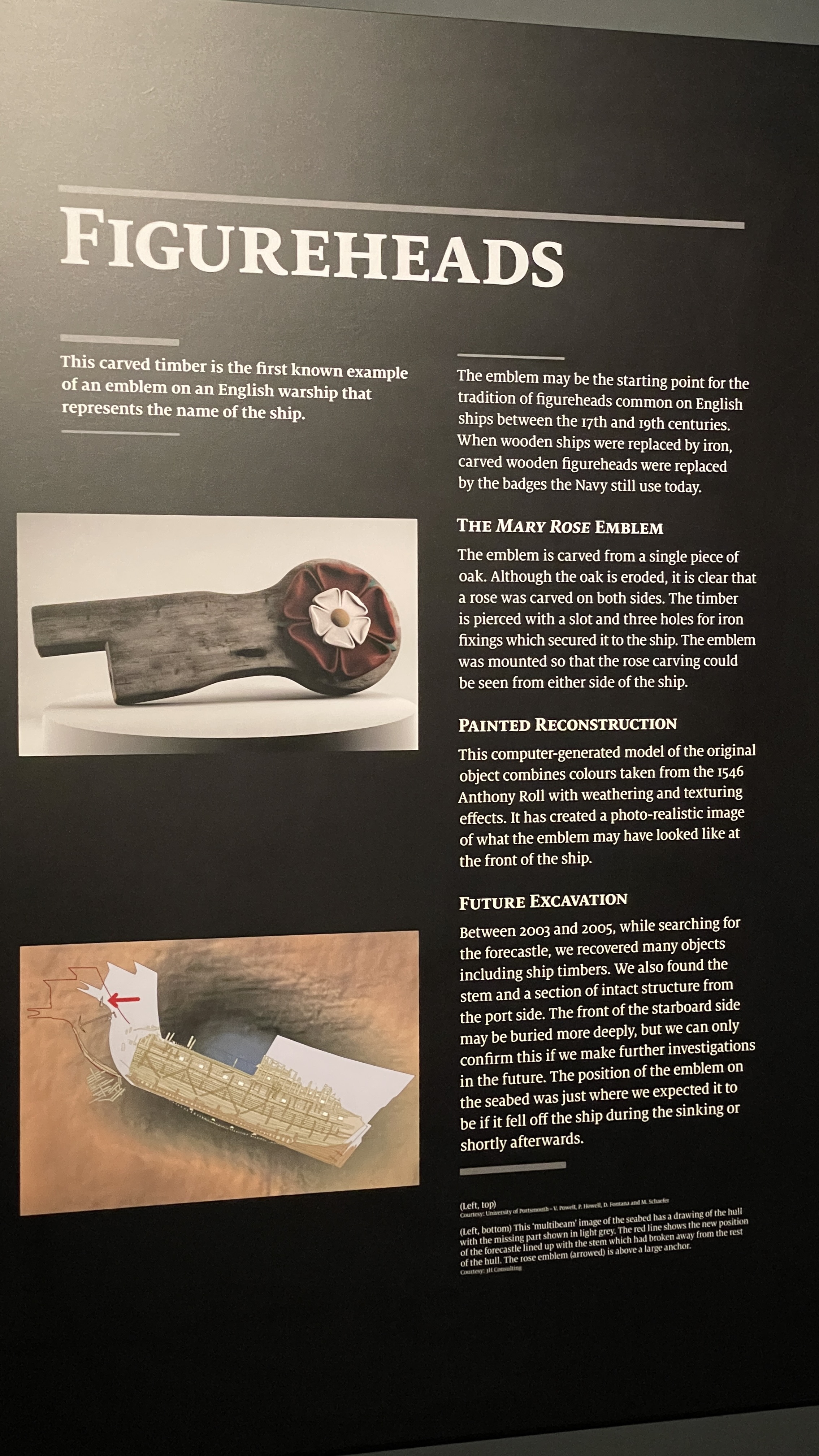
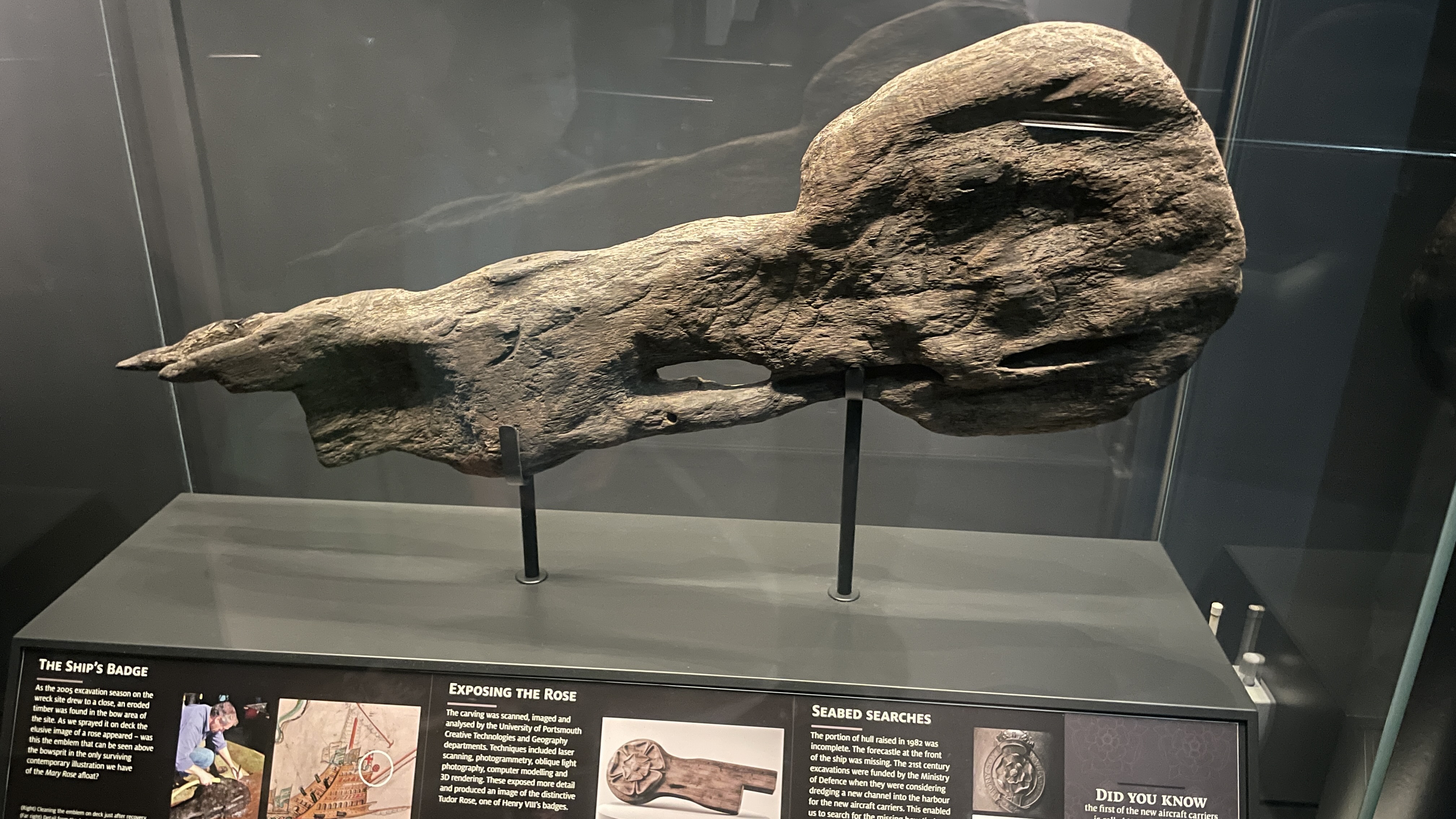
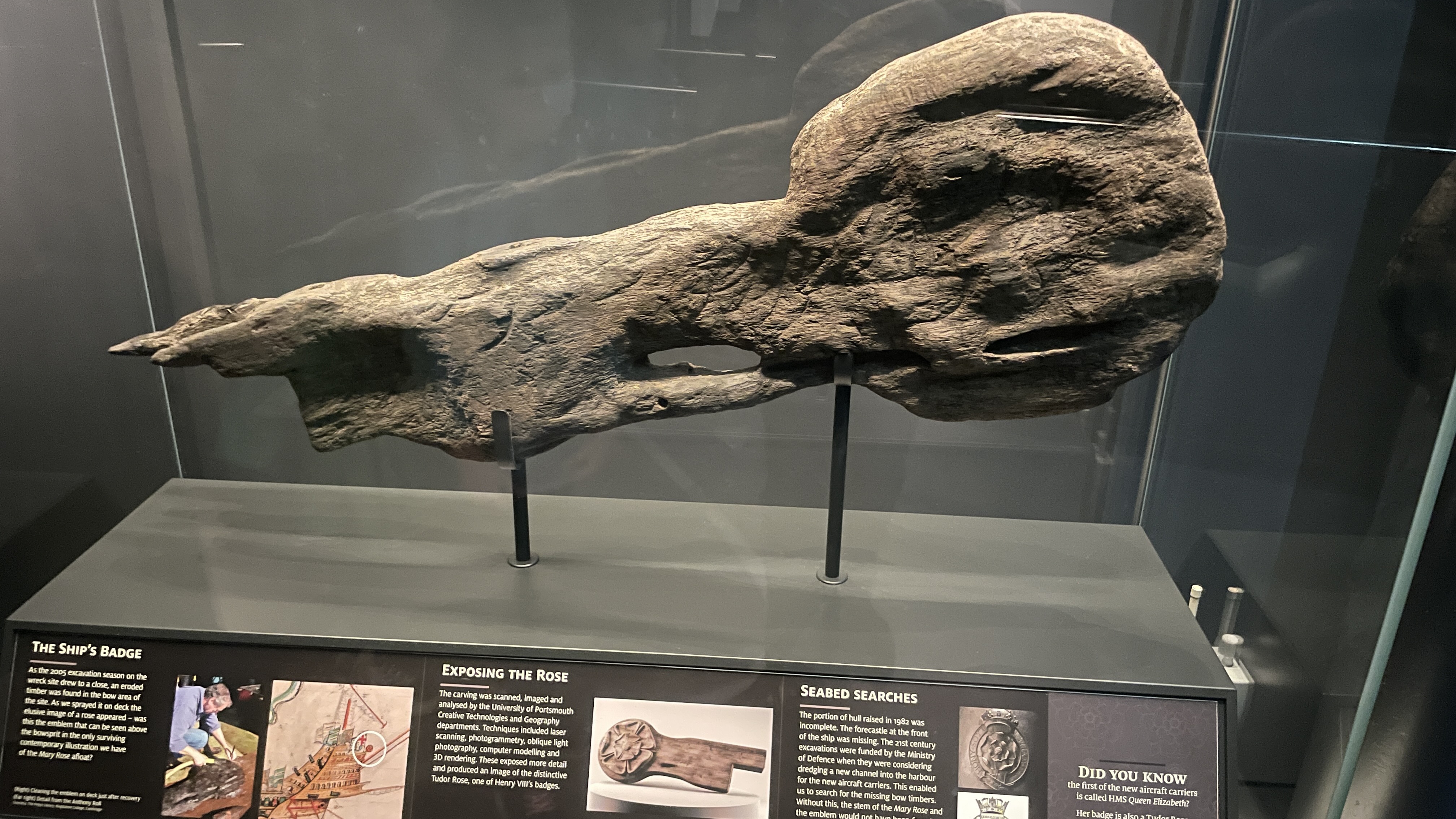
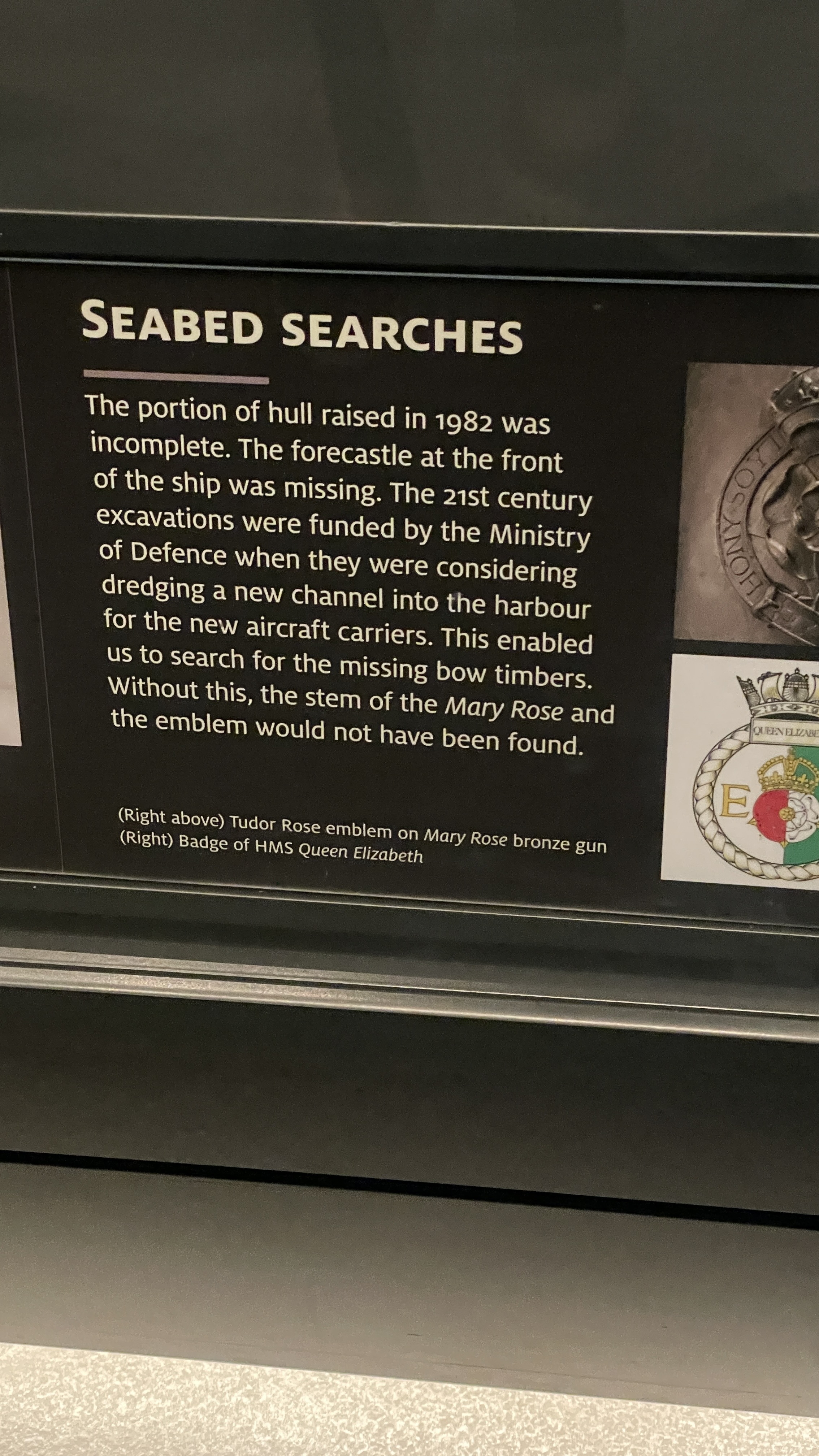
Ok, boys and girls, gather ‘round. Today I’m going to tell you the story of an ill-fated ship called The Mary Rose.
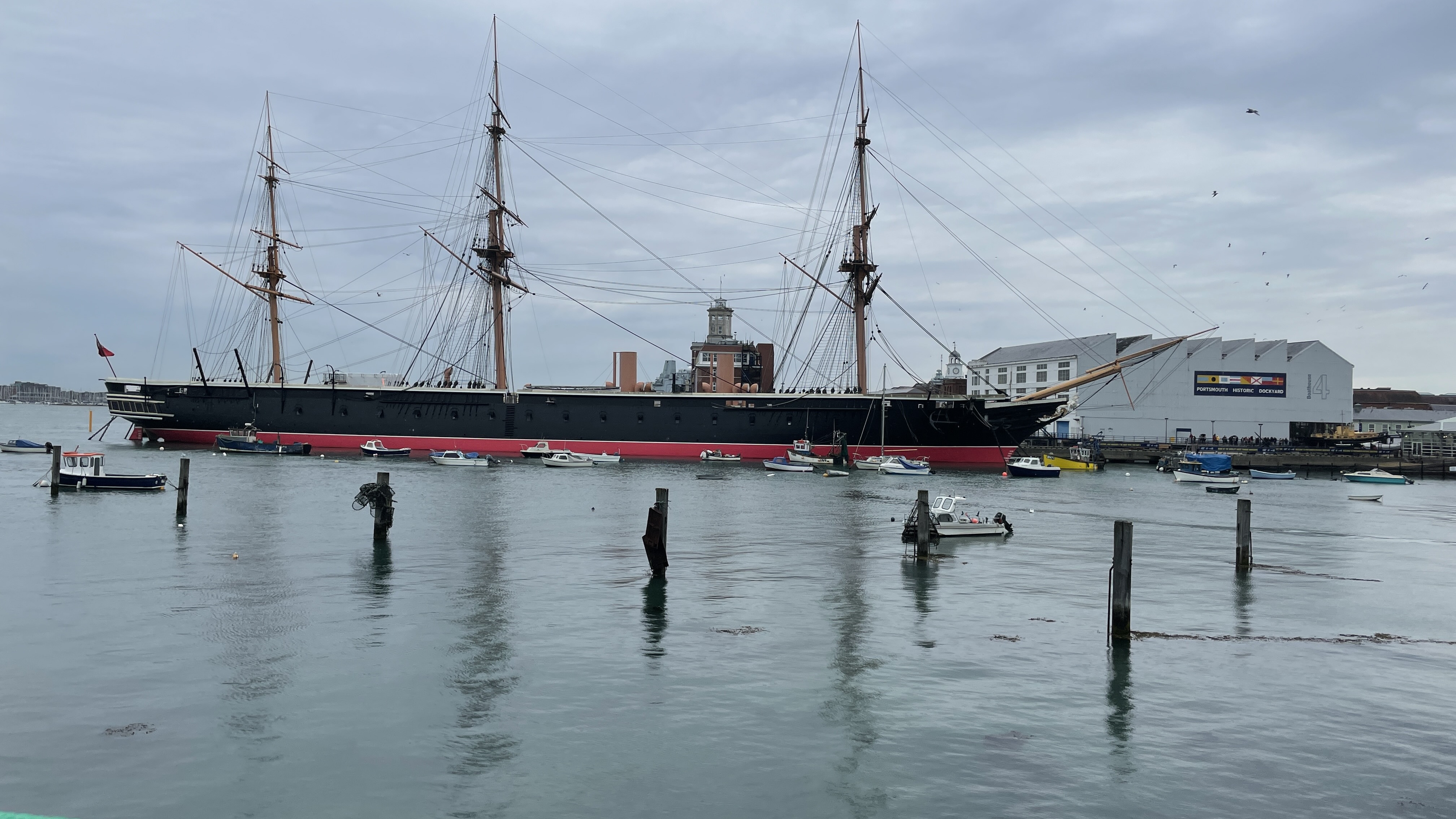
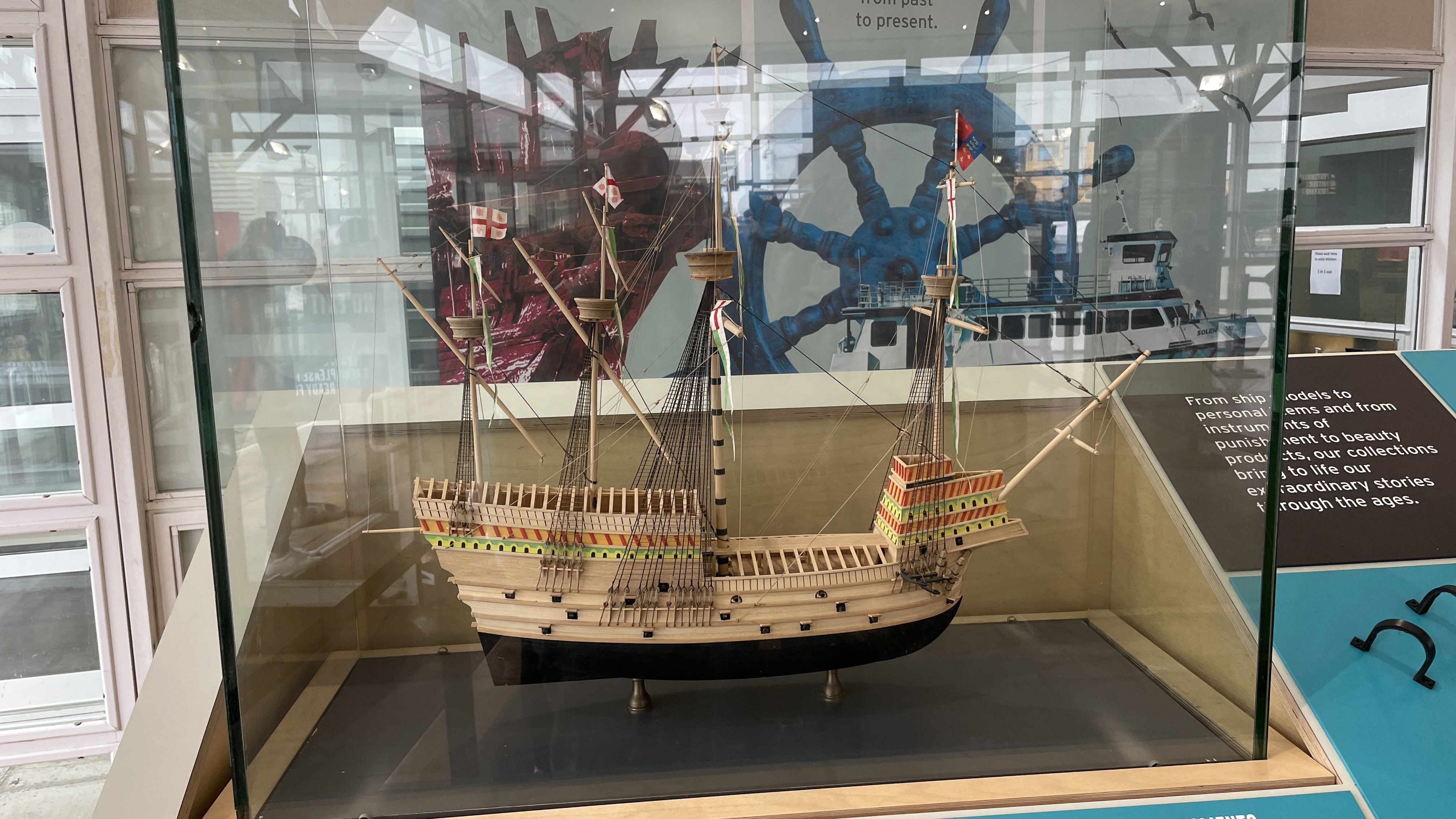
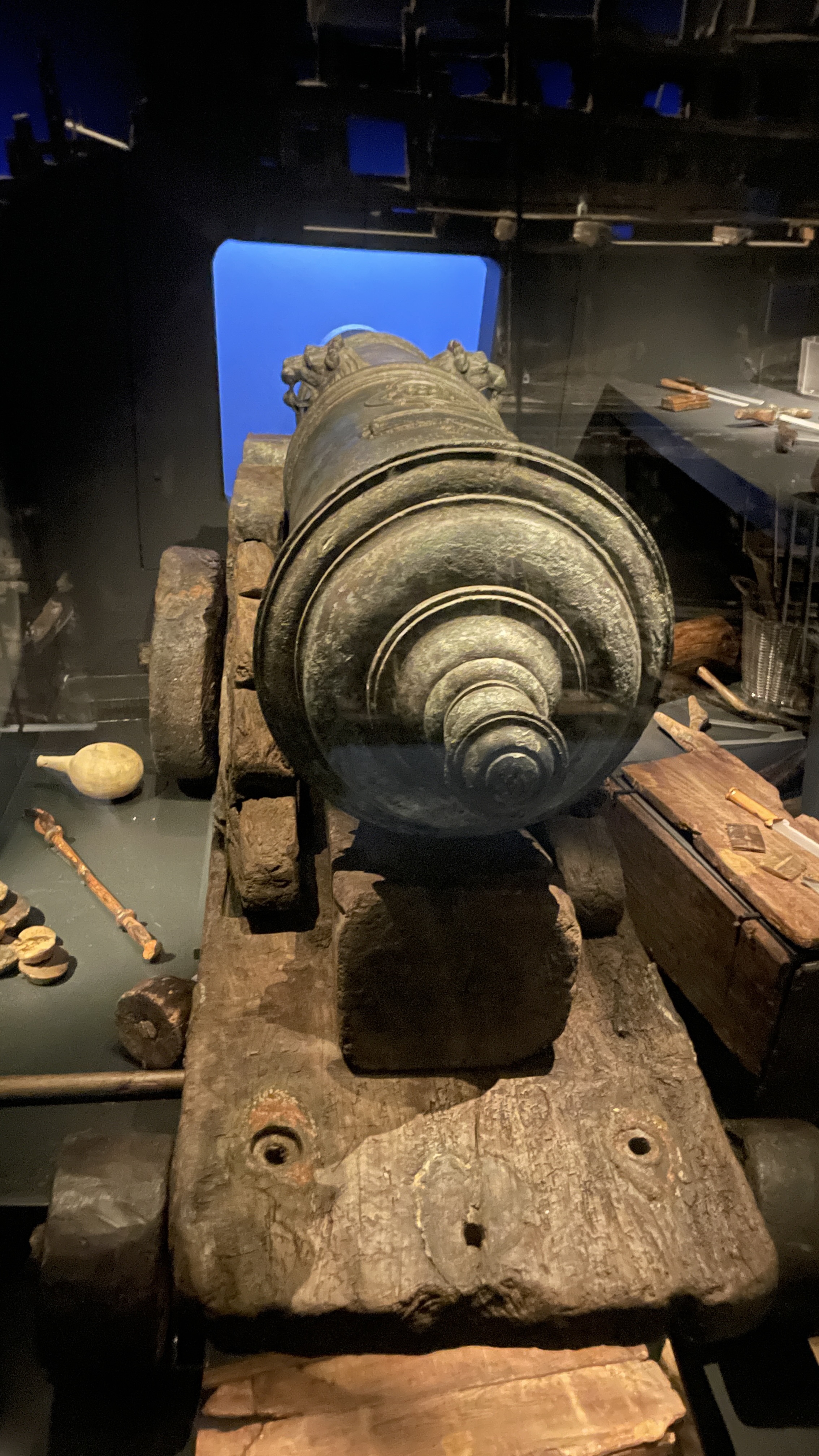
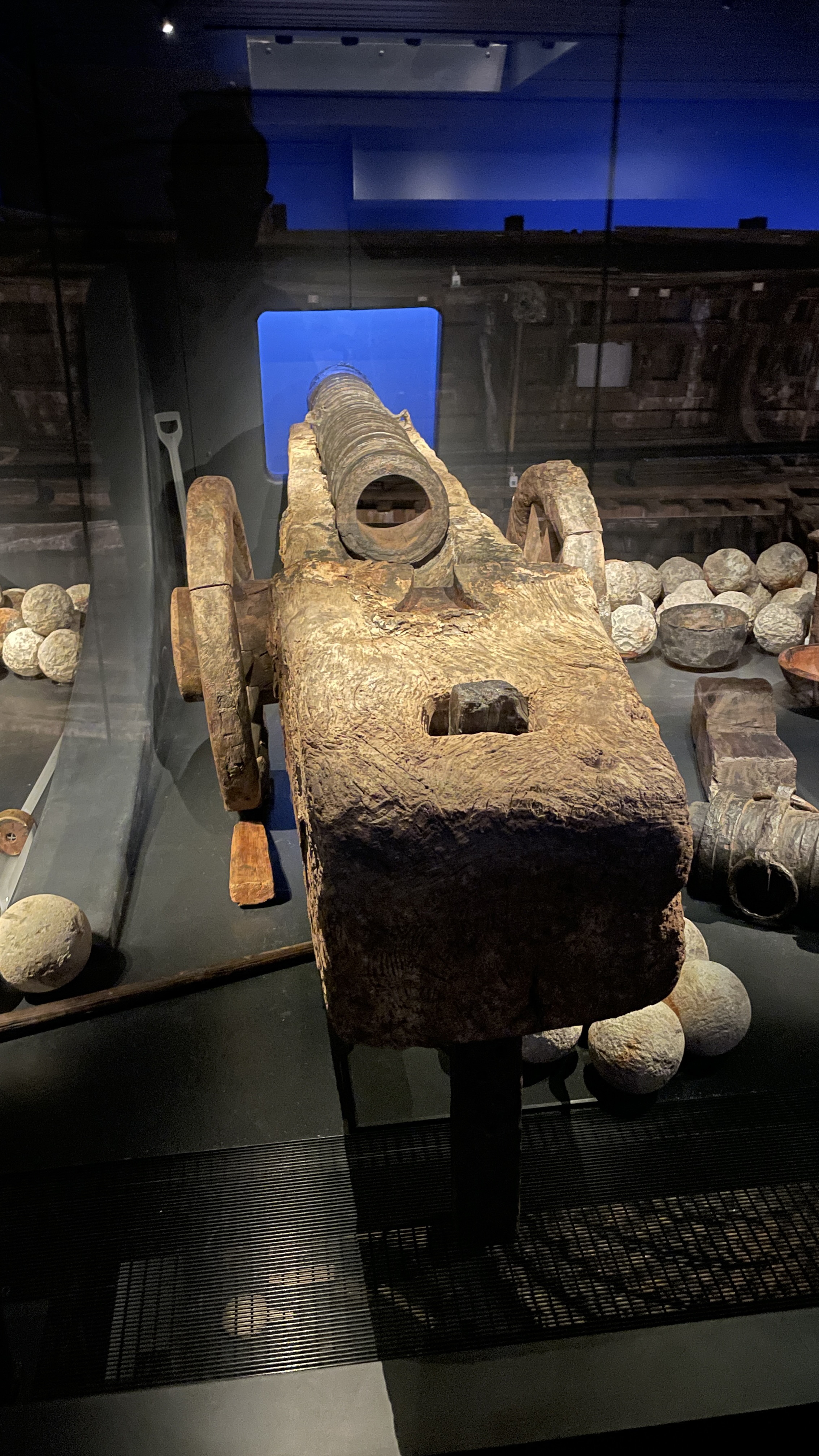
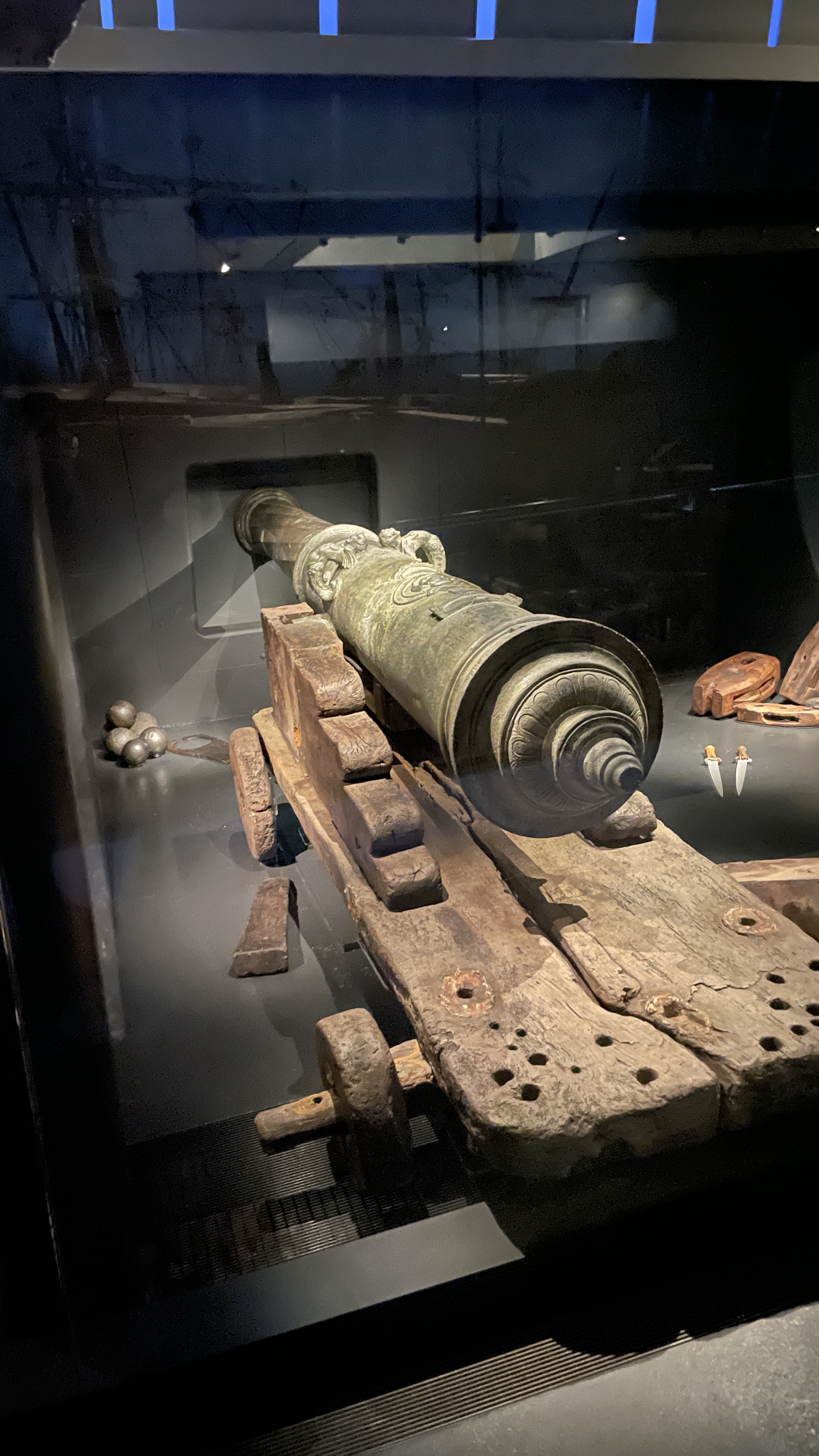
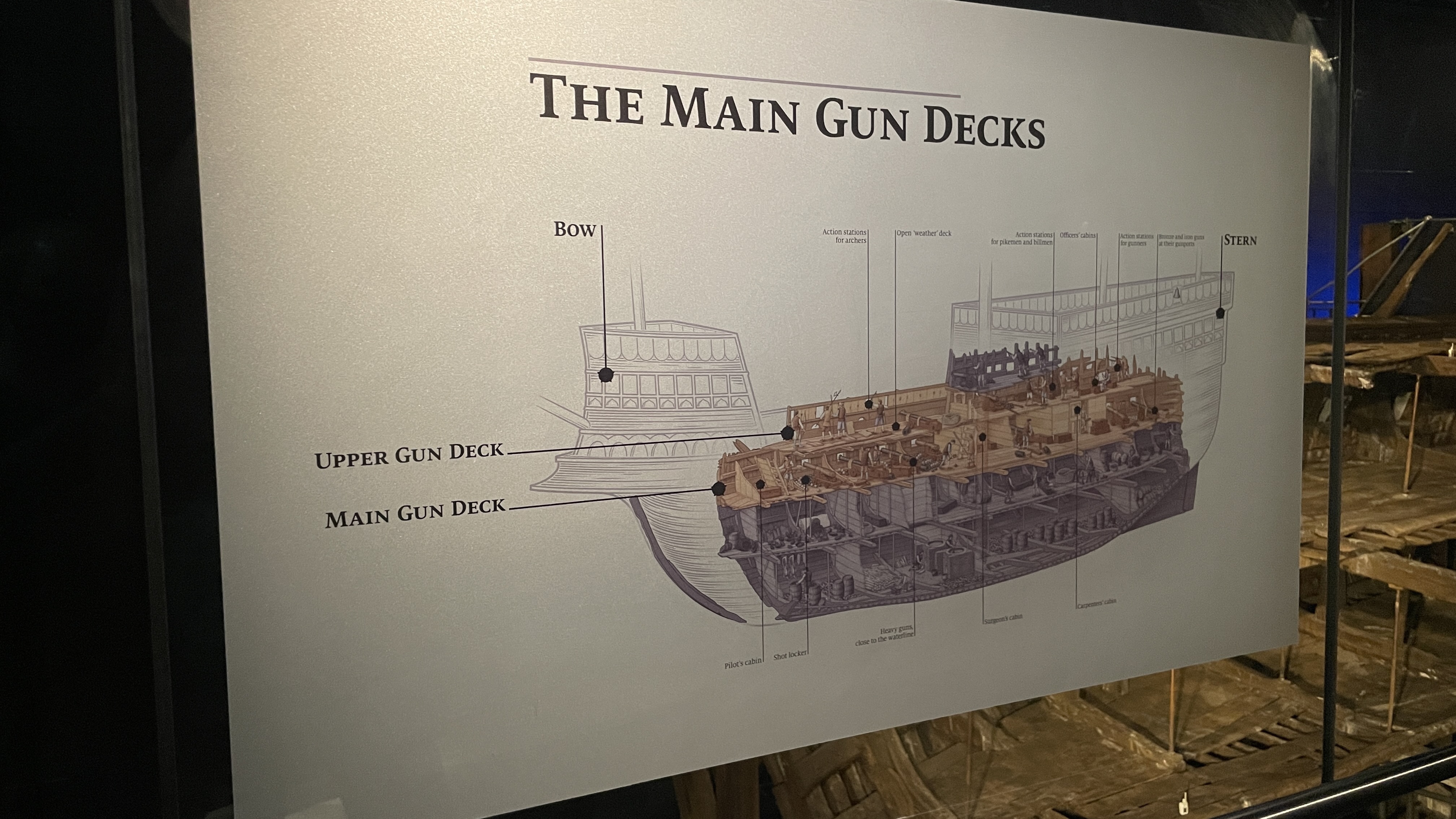
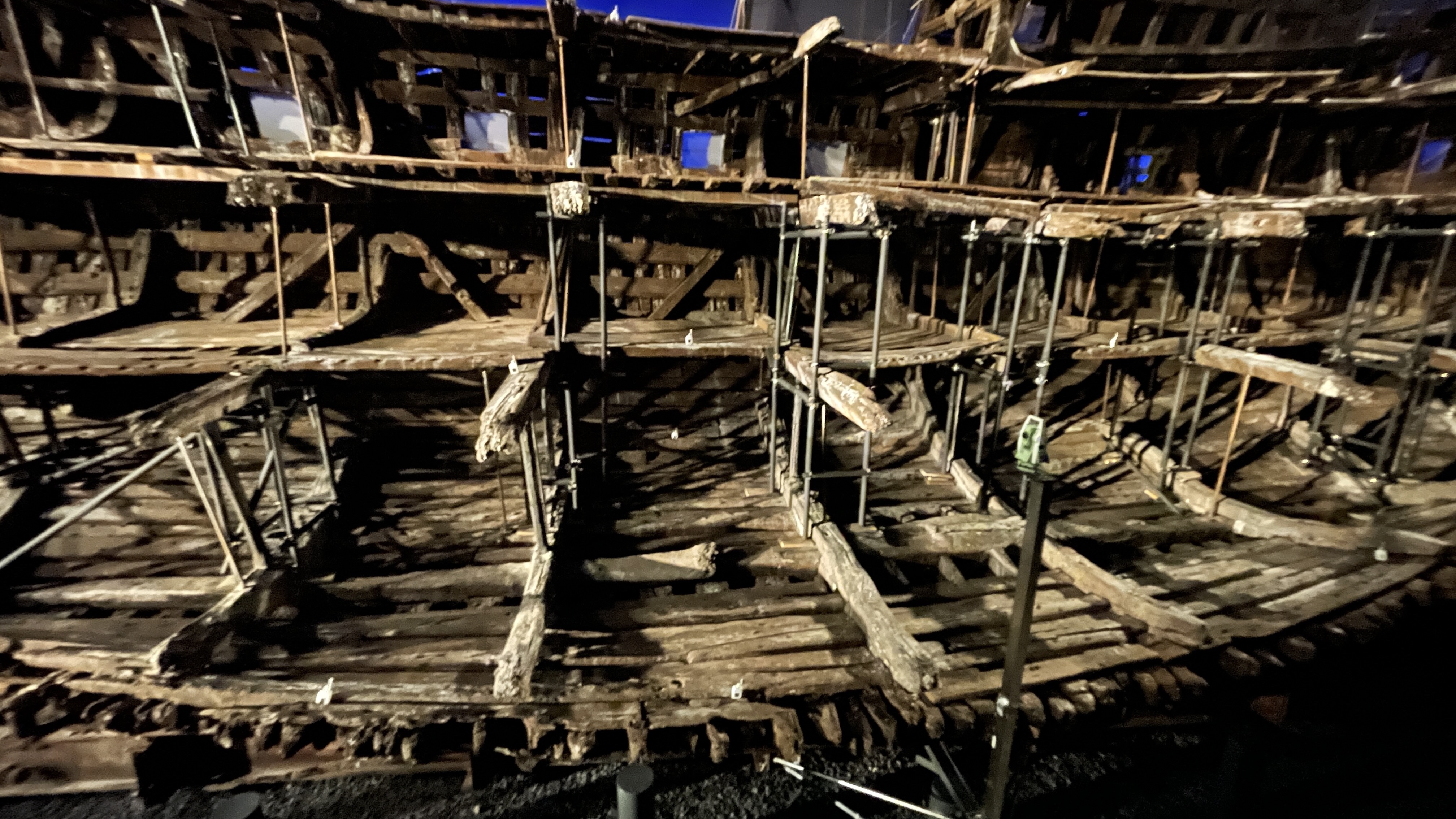
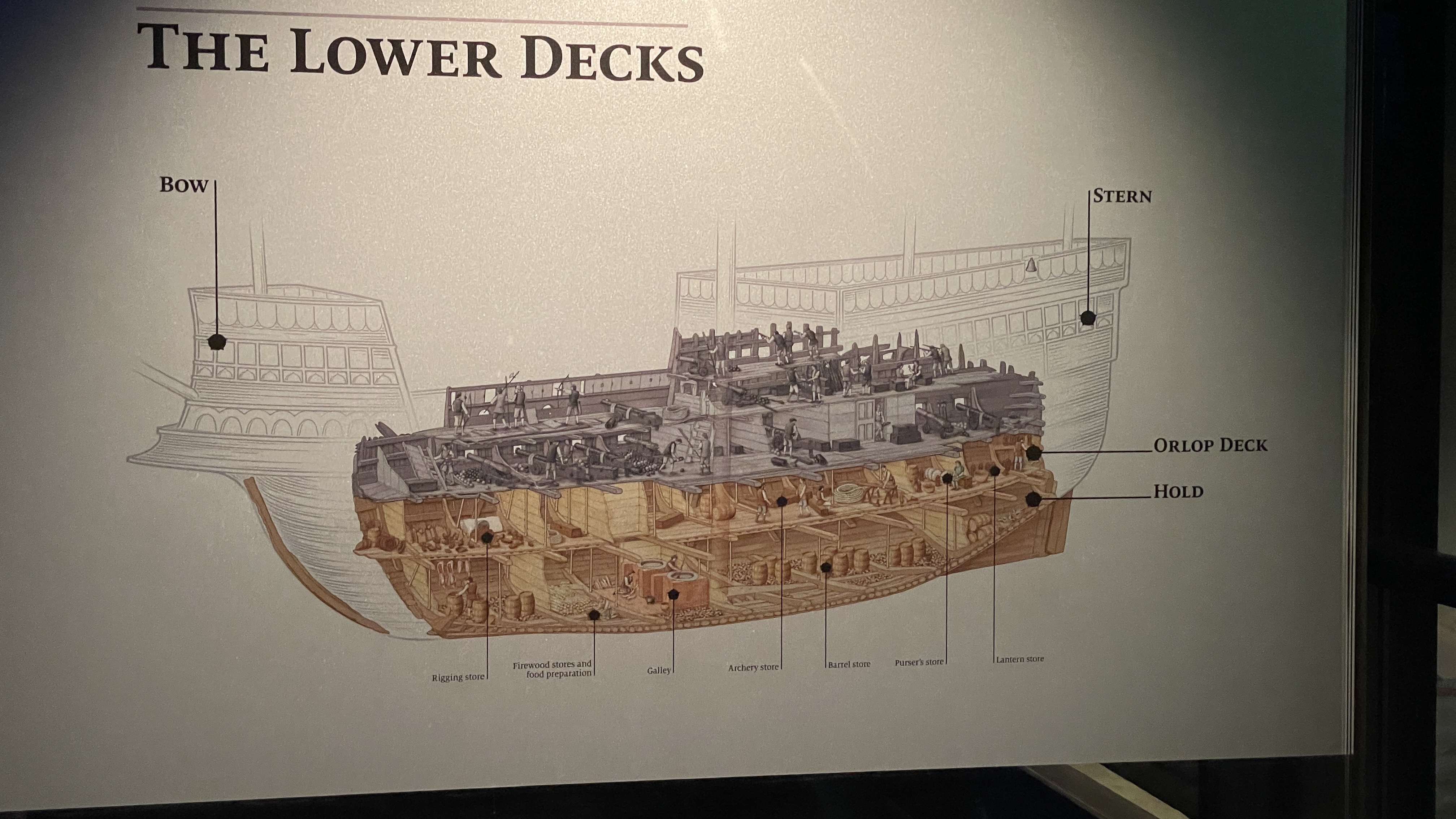
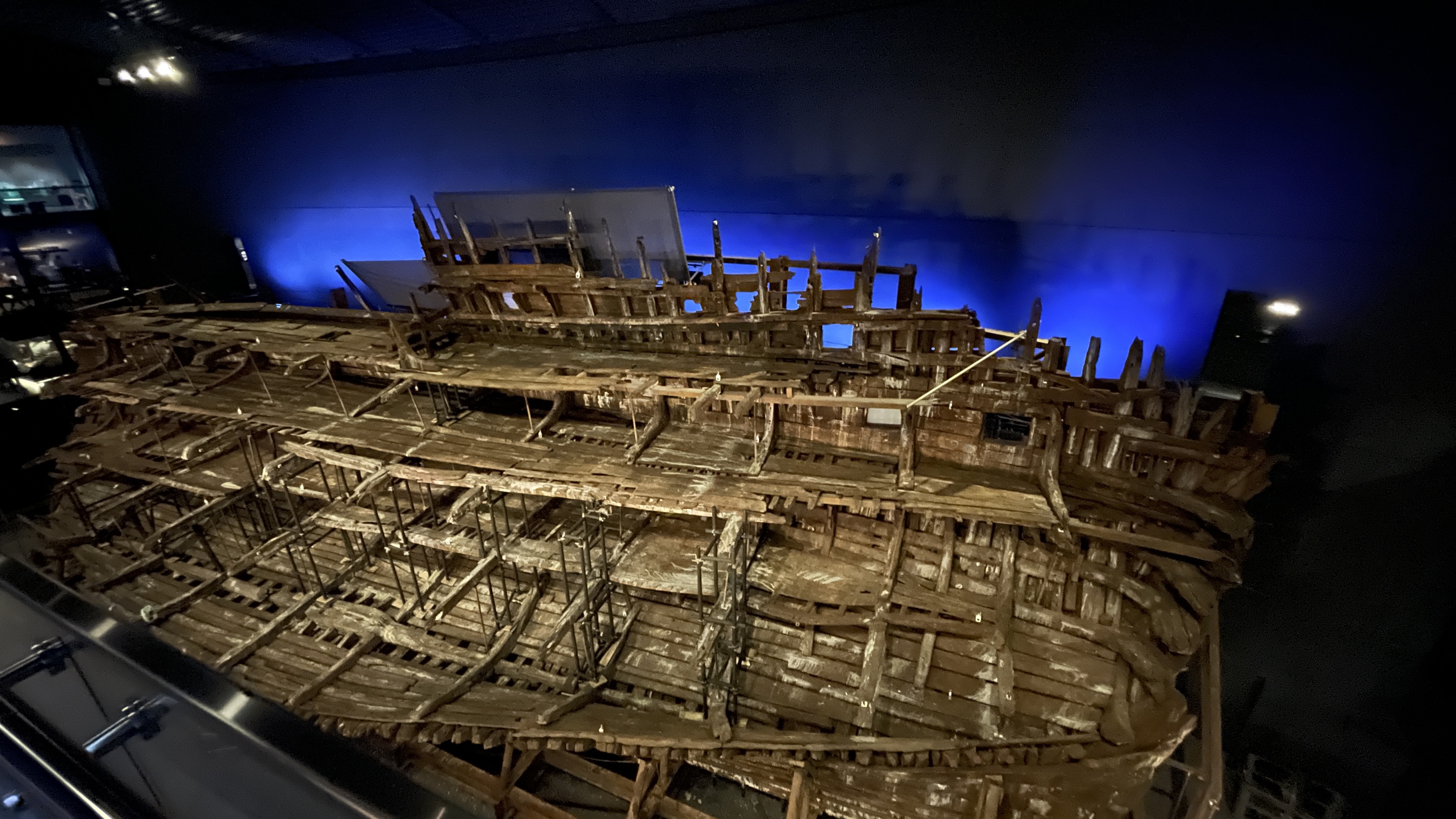
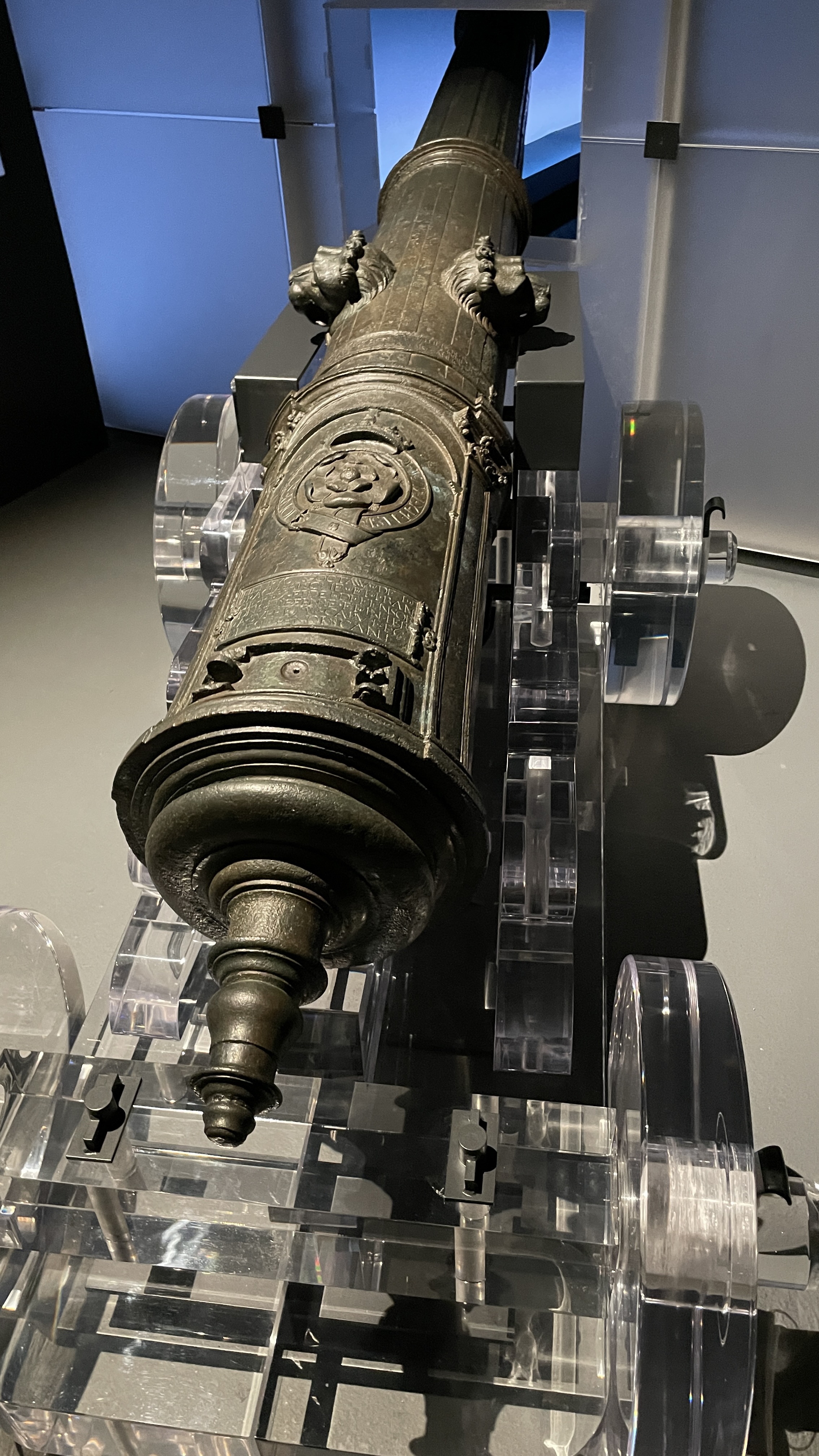
The Mary Rose was launched in 1511 as a warship by Henry VIII. It was the pride of his fleet. Originally rated at 500 tons, it had been modified later to 700-800 tons, with over 90 cannons and guns, and carrying 500 people, it would have been a powerhouse, but historically a nimble one. That perception may have led to its downfall.
In 1545, the French attacked England near the Isle of Wight with 128 ships. The English had around 80 ships to defend the coast. The Mary Rose, being Henry’s flagship led the defence. Unfortunately, early in the battle, something went wrong.
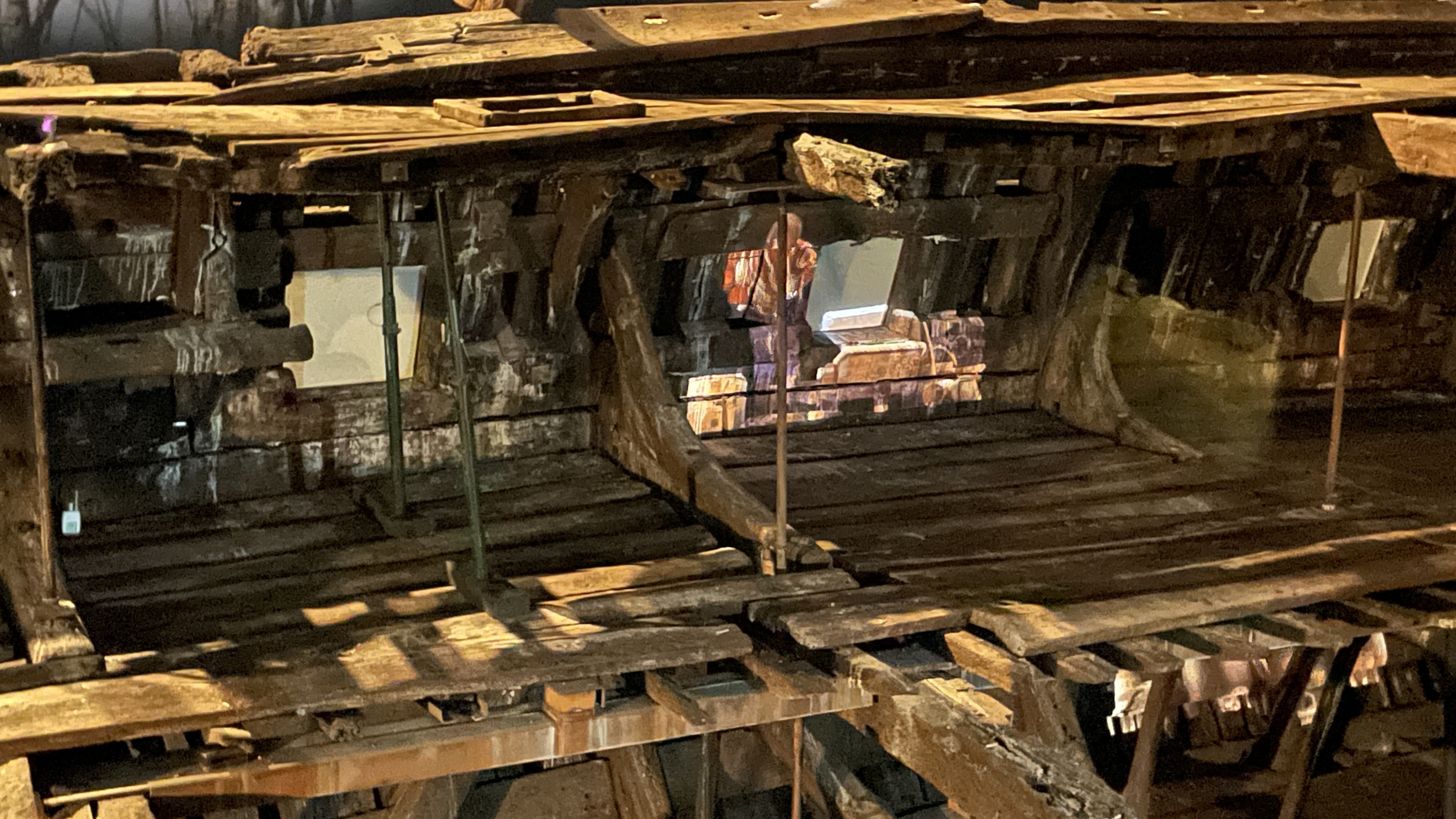
Nobody knows for sure what caused it, but suddenly the ship leaned heavily to the starboard side and water began rushing in the gunports. Equipment, ammunition, massive cannons, all began to shift and come loose, crushing men and probably making further holes in the hull. (By the way, this is probably where the term “loose cannon” comes from. Not from the Mary Rose in particular, but from the fact that a loose cannon would wreak havoc in a ship.)
The ship sank incredibly quickly. Of the 500 men on board, only 35 managed to escape with their lives, mostly those that were up on the masts working the rigging.
As I said, the cause of the sinking is unknown, but it probably was the additions that had been made to the ship over the years. It was much heavier than originally planned and sat much lower in the water. Turns that could have been made easily in previous years now put the gunports too close to the water. When it tried to make one of the fast turns it was famed for, the gunports flooded and the ship sank.
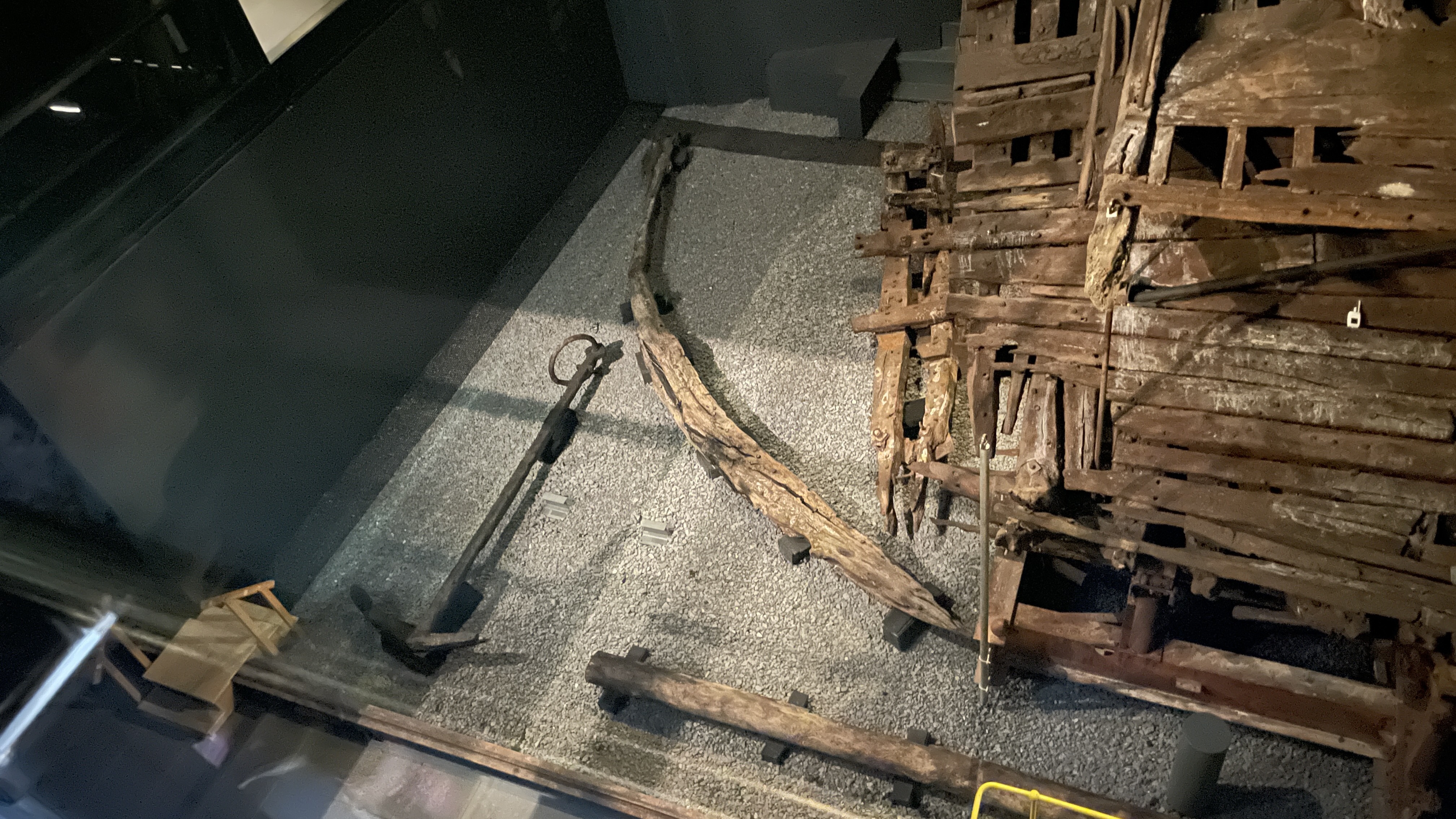
It lay at the bottom of the Solent, the narrow stretch of water between the Isle of Wight and the mainland for nearly 500 years. They tried to salvage it immediately after the sinking, but only the sails and rigging were recovered. The starboard side was just too deeply imbedded in the mud and muck of the channel and the location was soon forgotten.
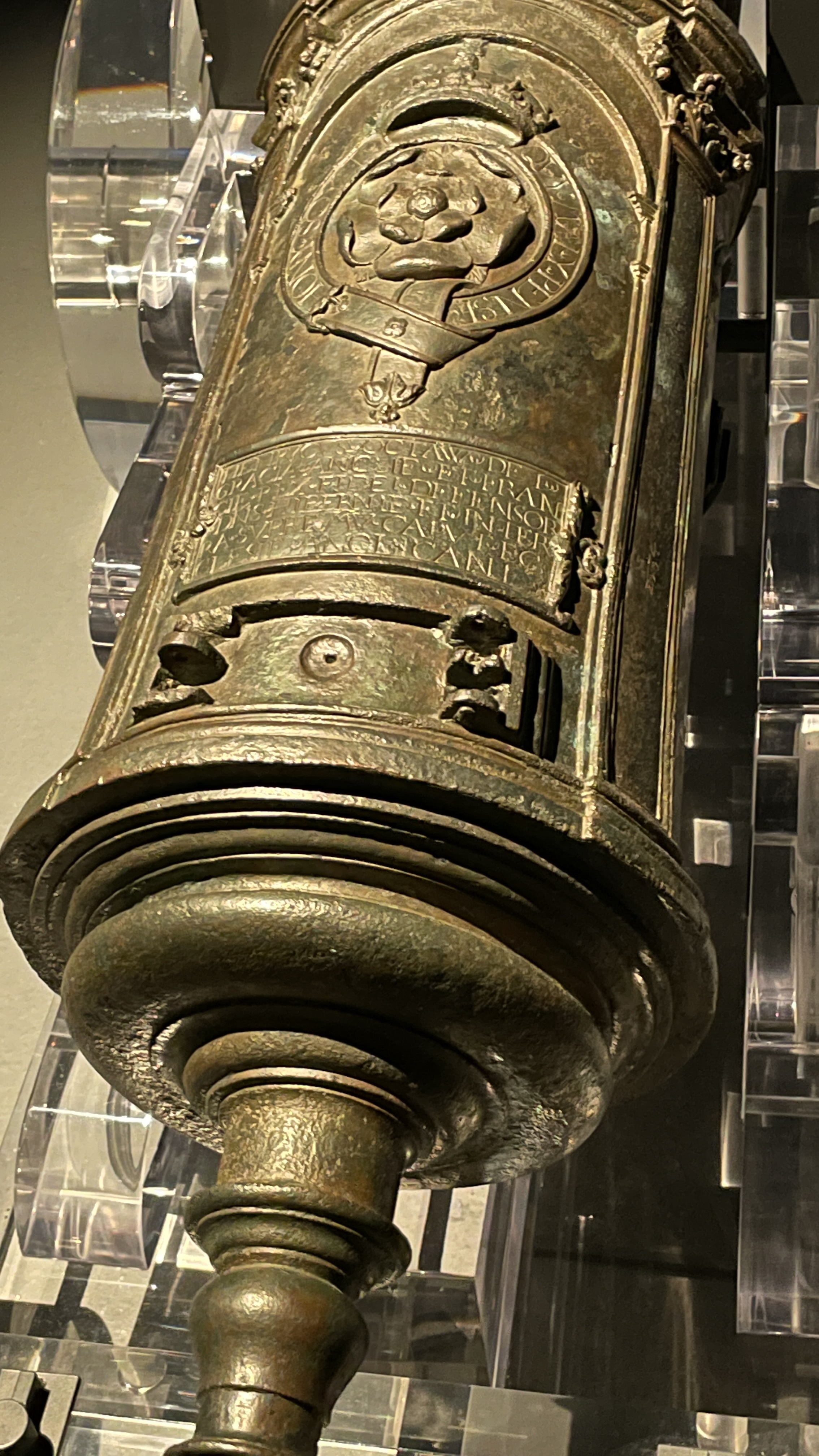
In 1836, a group of fishermen hired a diver to find out why their nets kept snagging. The diver discovered the wreck and it was identified by some of the markings on the bronze cannons that were salvaged.
It was rediscovered in 1970, although the port side of the ship had long rotted away and the remaining half was covered in mud, necessitating the use of sonar to locate it. The location was kept secret as British law regarding shipwrecks has always basically been: if you can bring it up, it’s yours. A new law had to be passed to protect the ship while recovery efforts were made. Nearly another decade passed while the wreck was uncovered, explored, catalogued, and plans made to raise the ship.
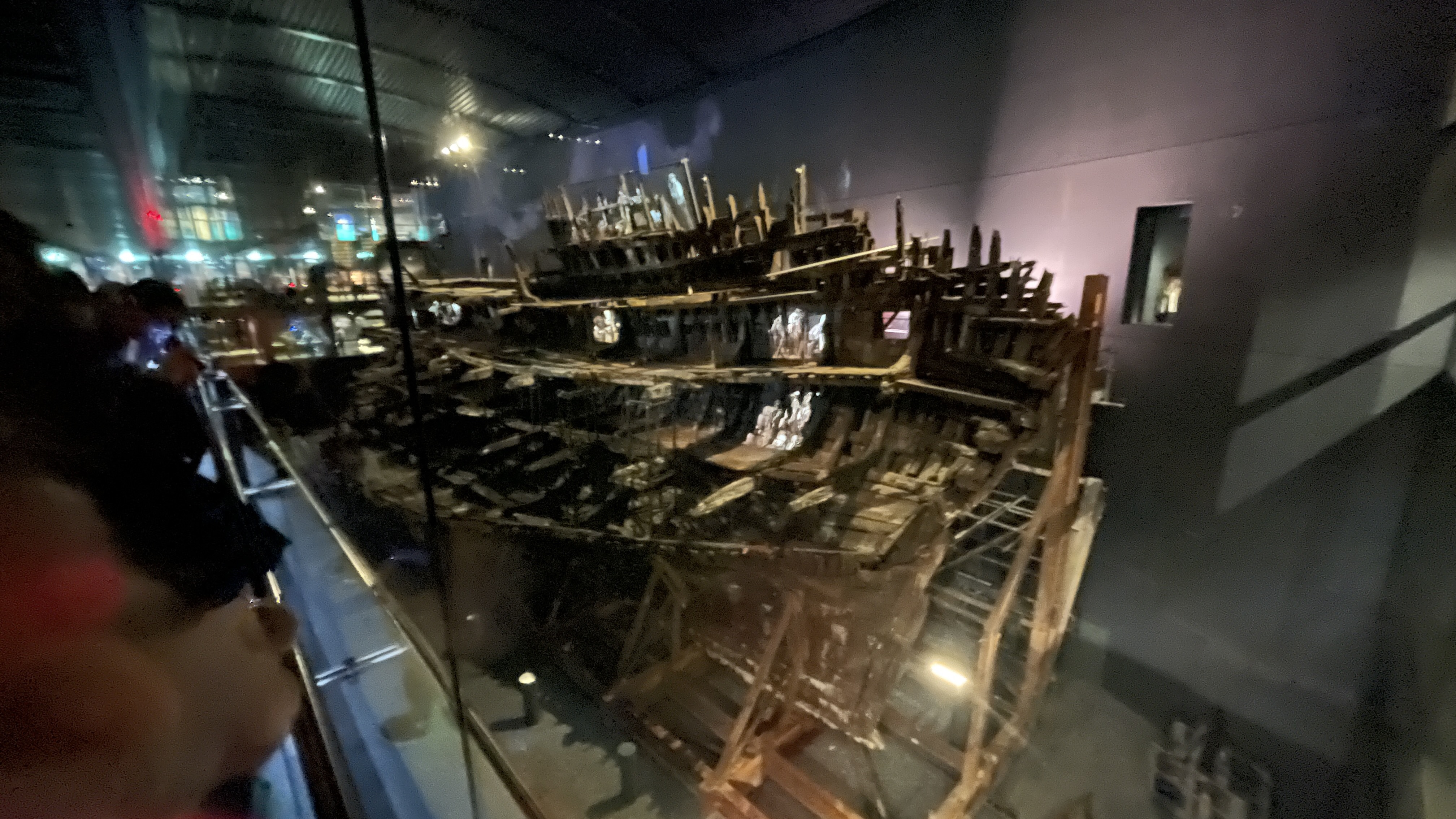
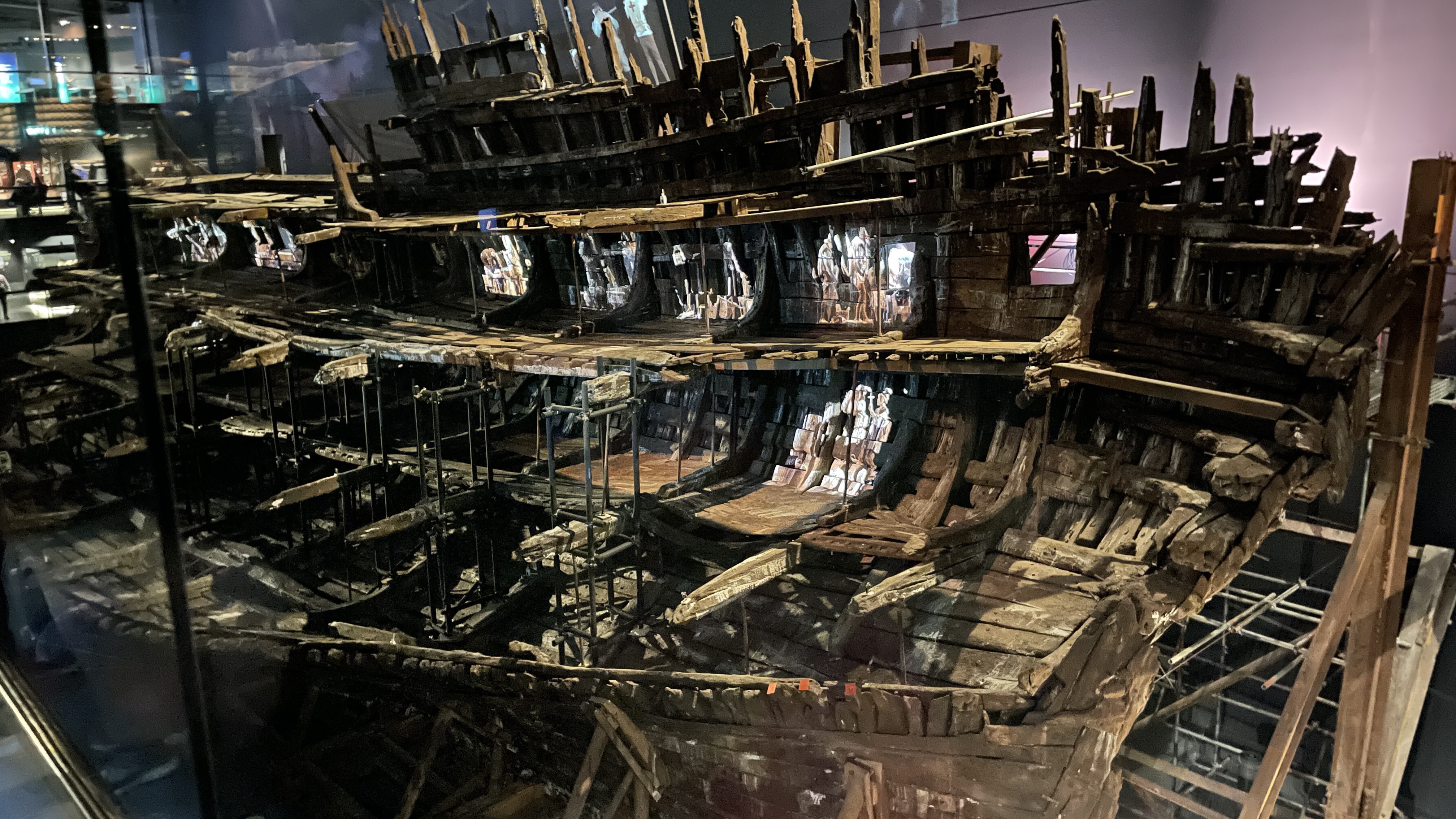
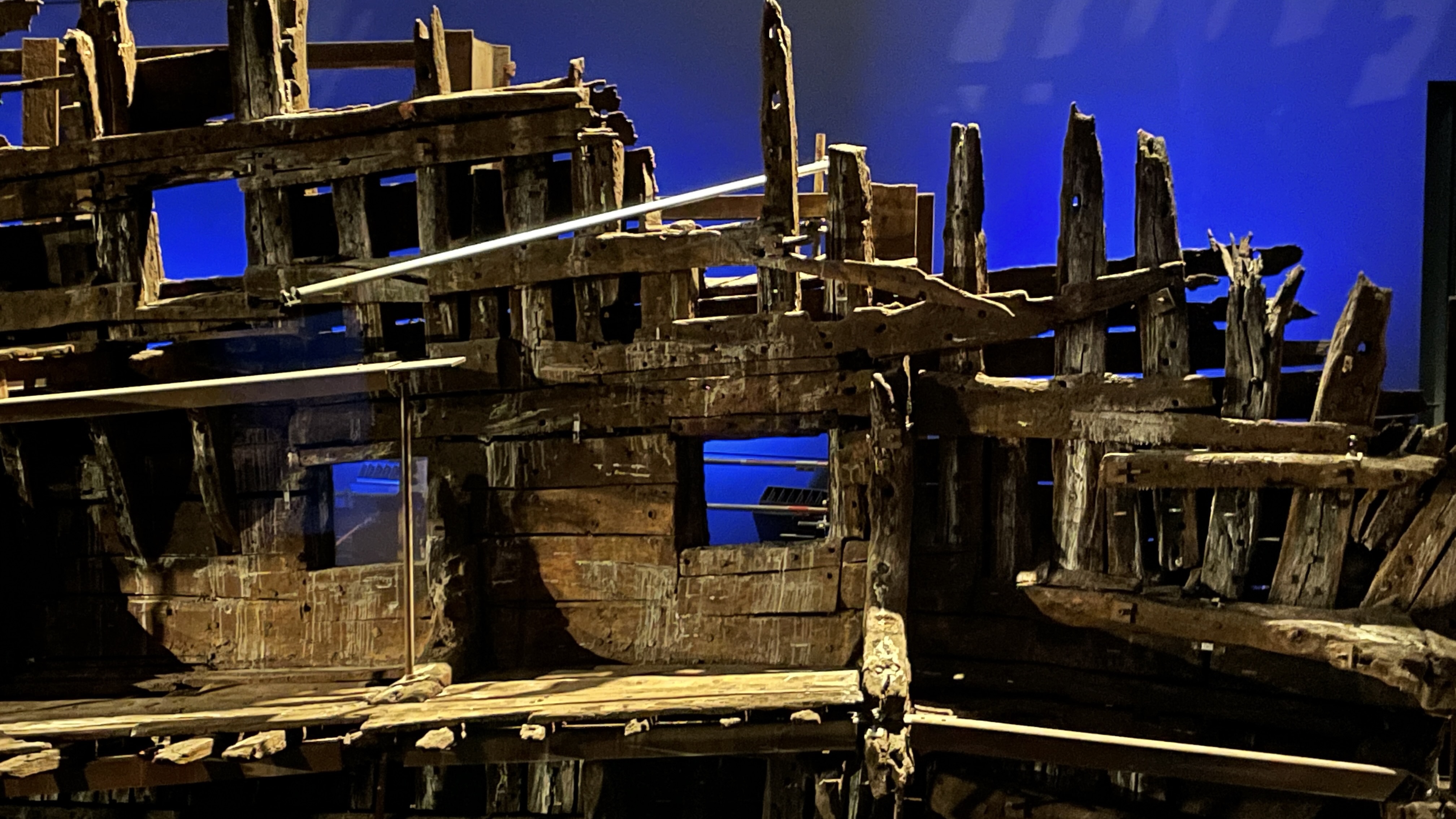
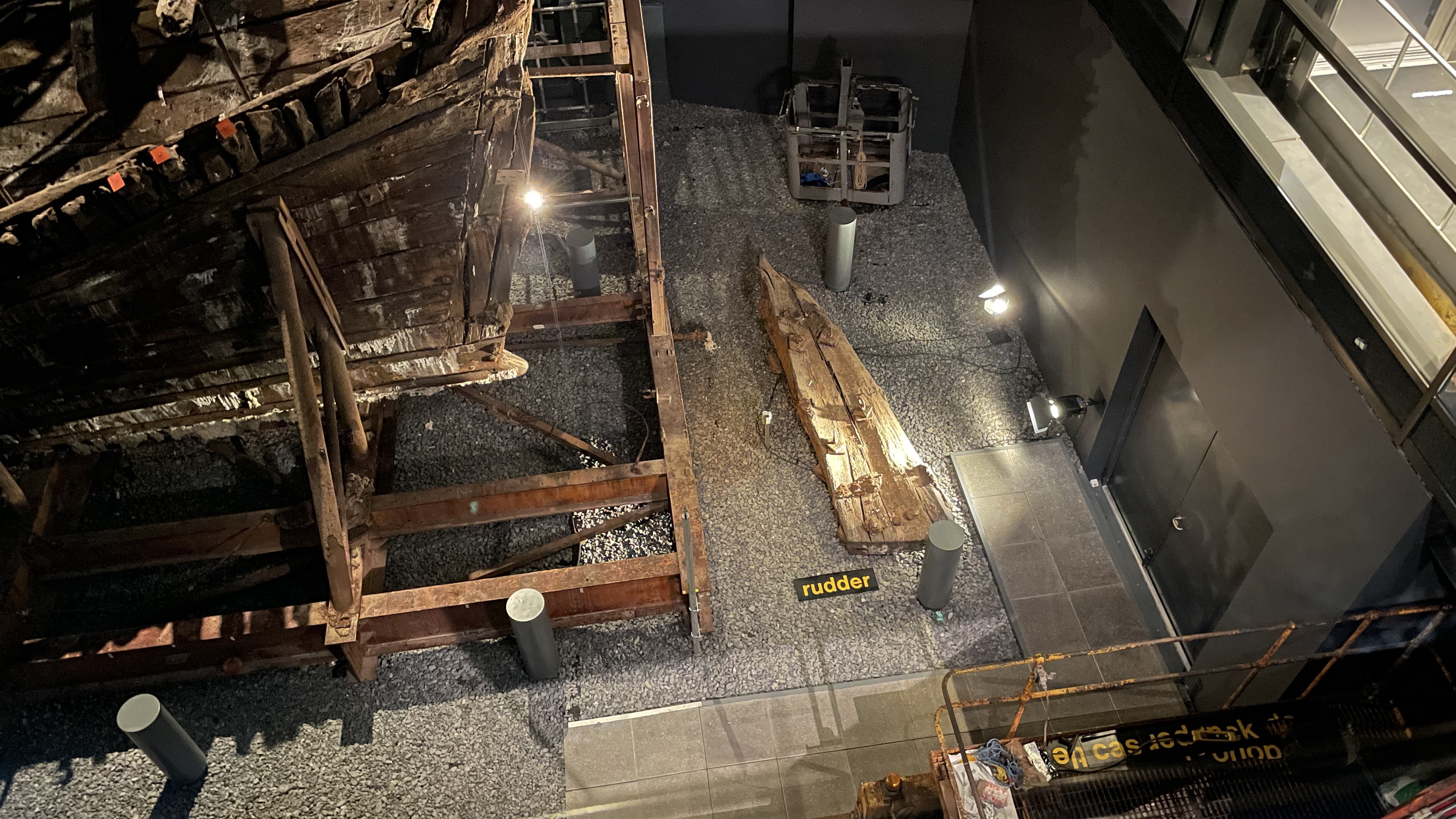
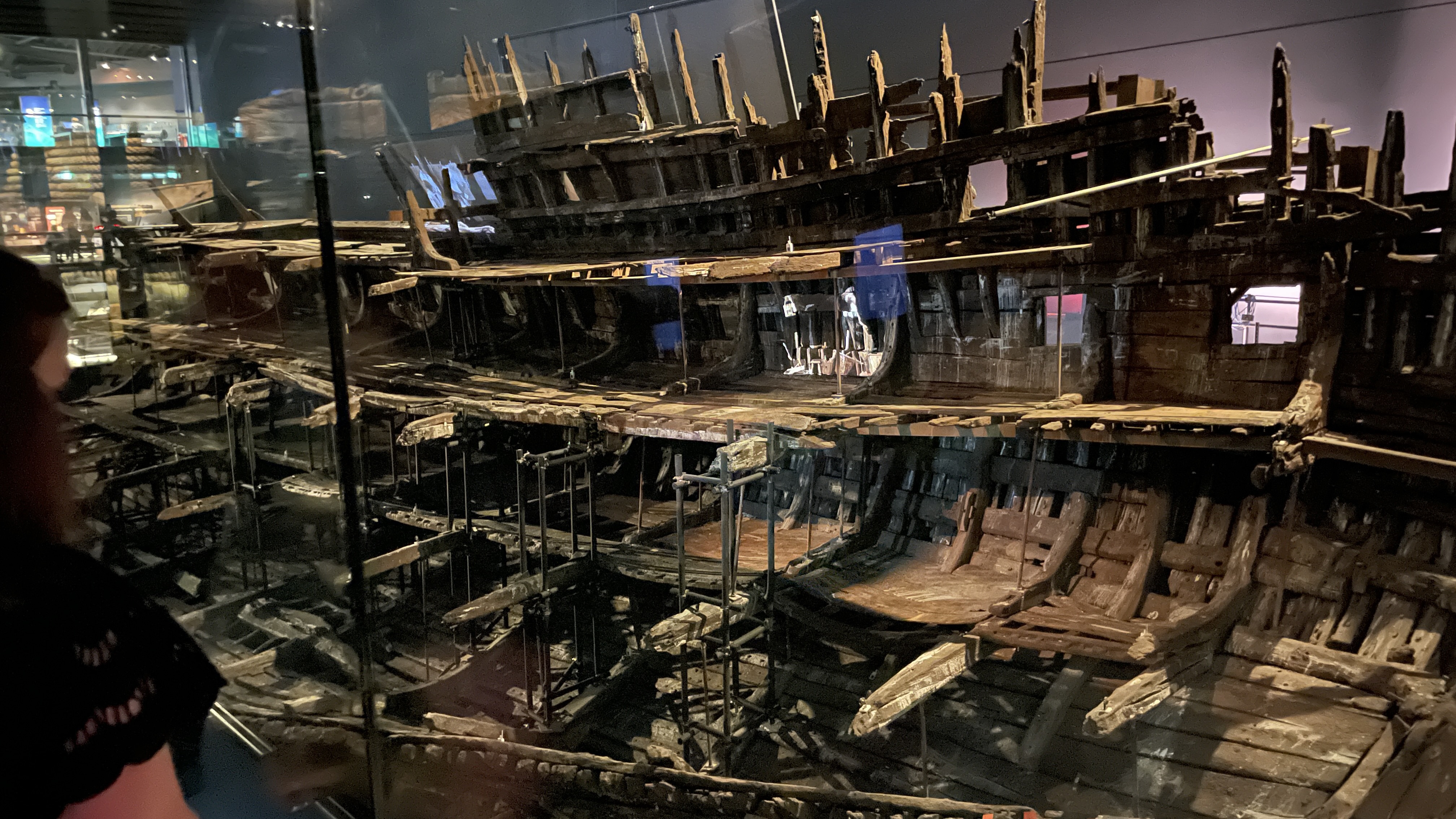
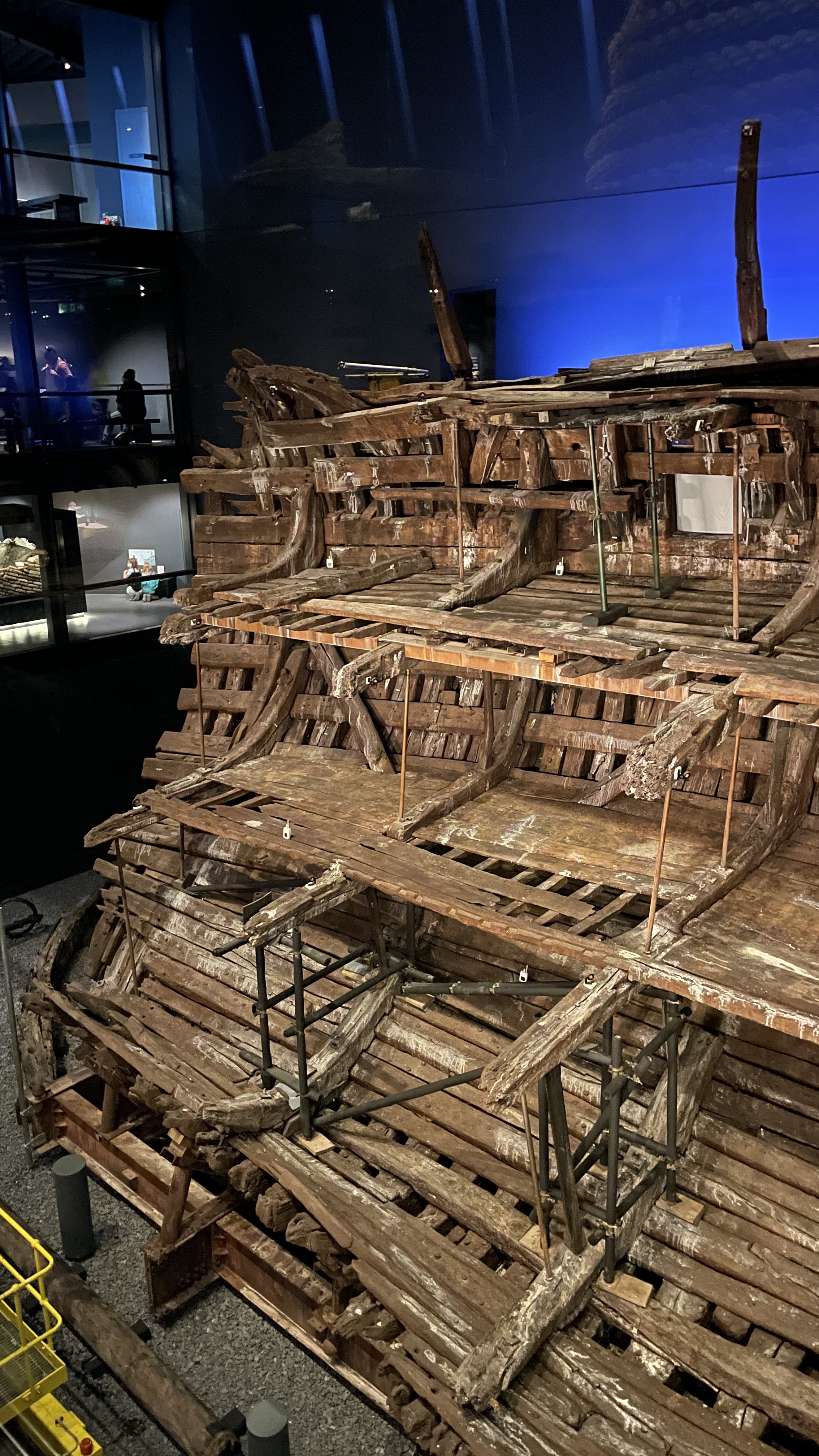
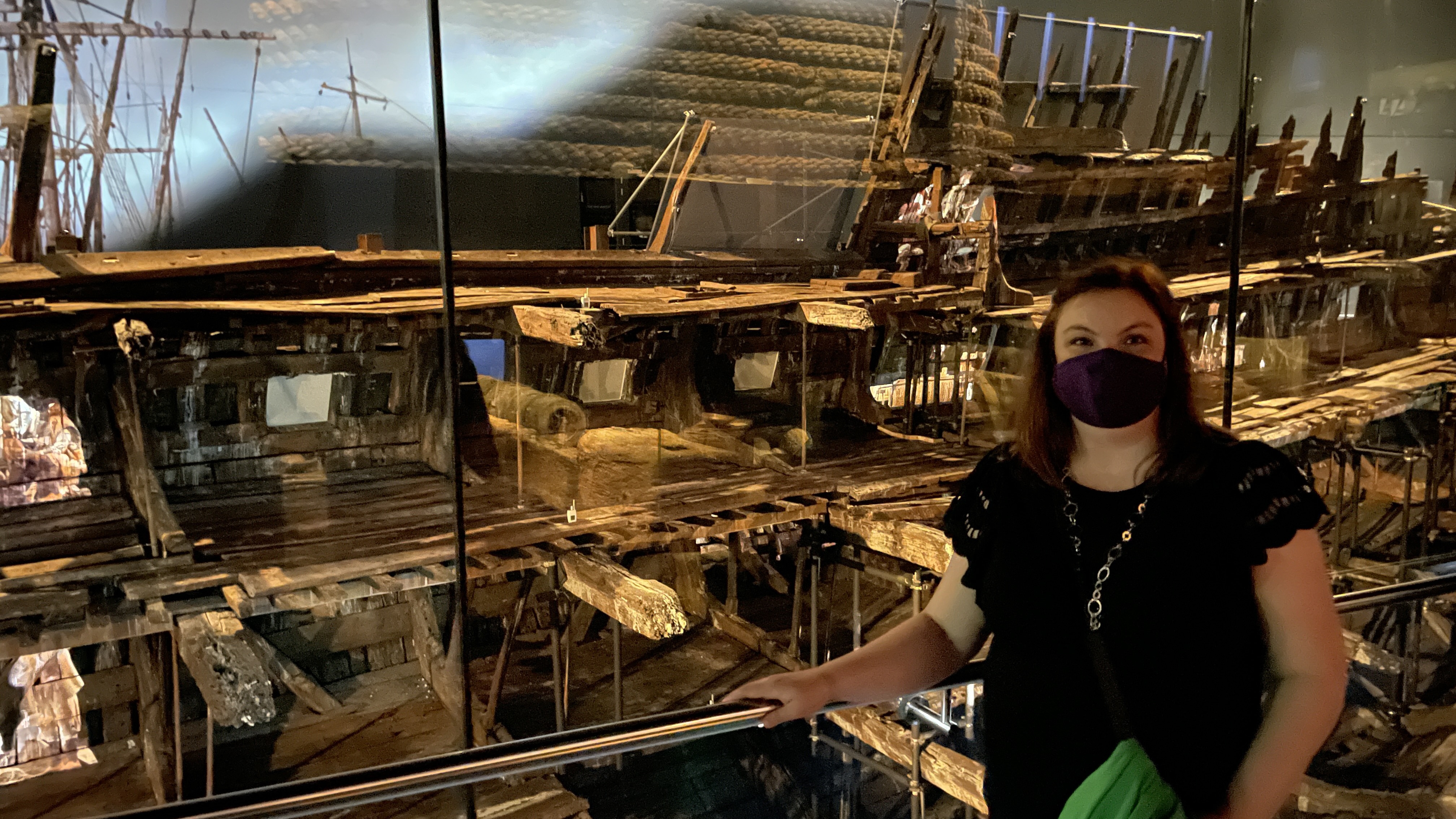
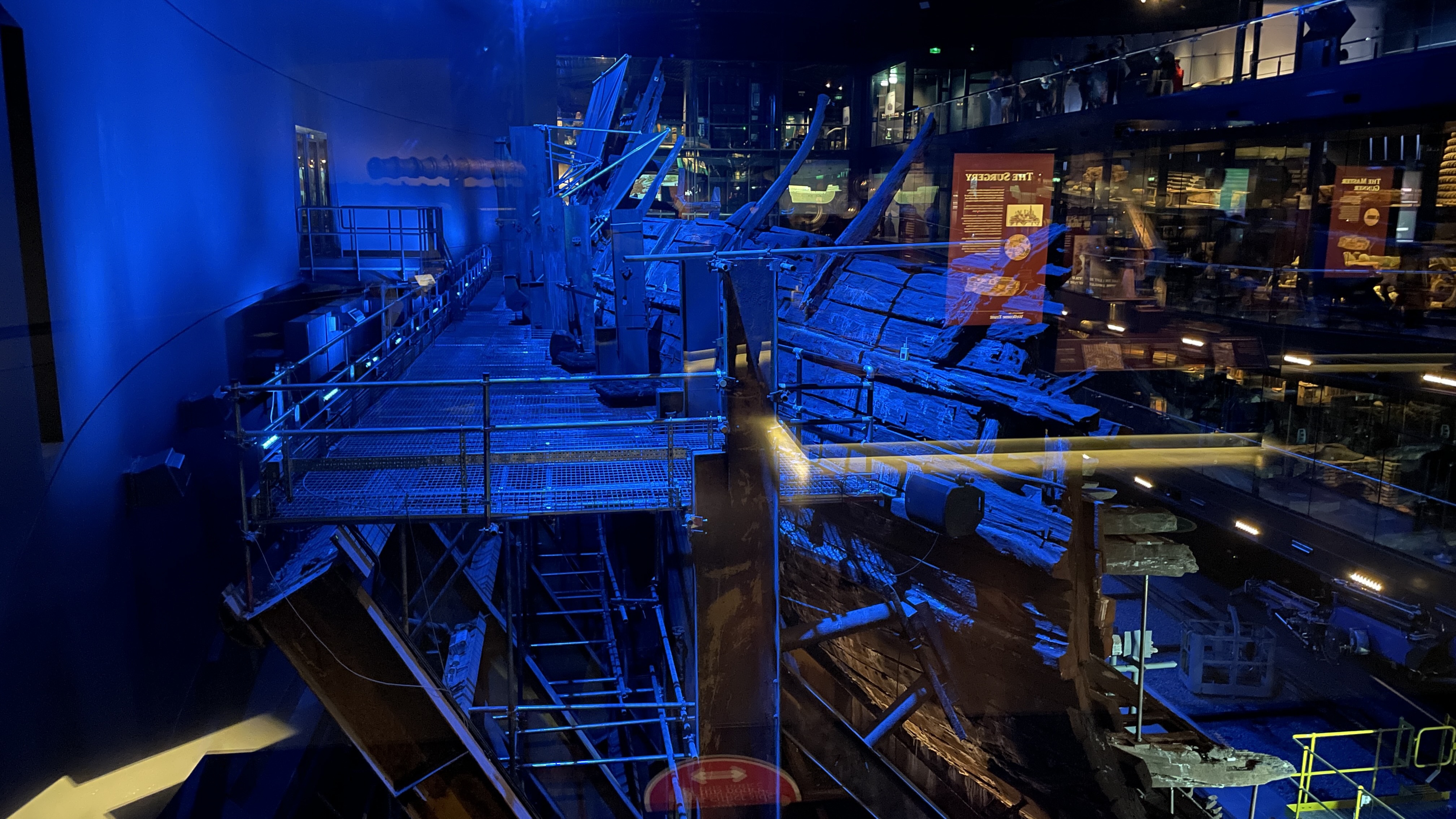
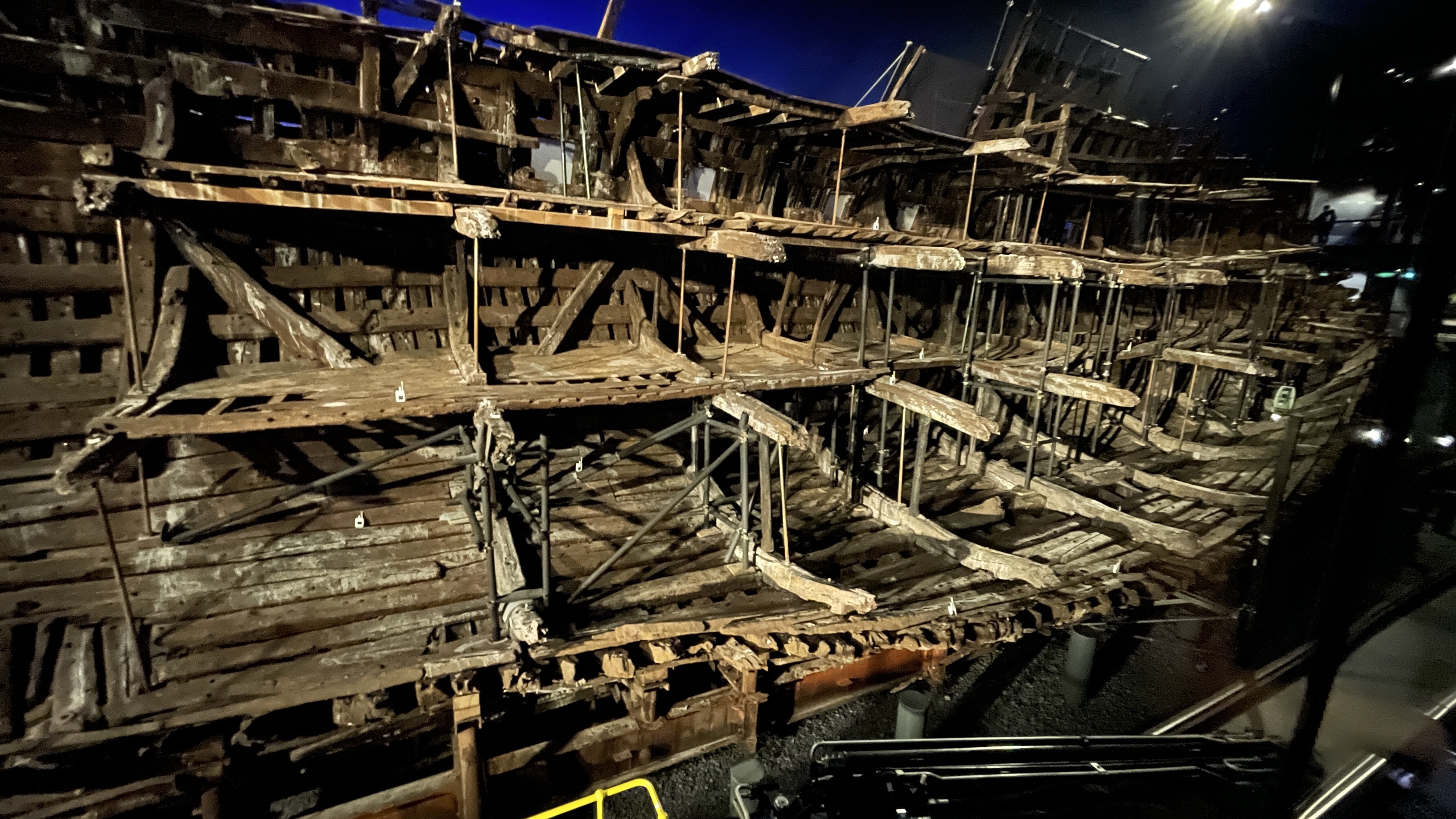
Finally, on 11 October, 1982, a complicated frame slowly brought the ship up above the water for the first time in nearly 500 years. It was taken to dry dock at Portsmouth and a museum was constructed around it….which is where we come in.
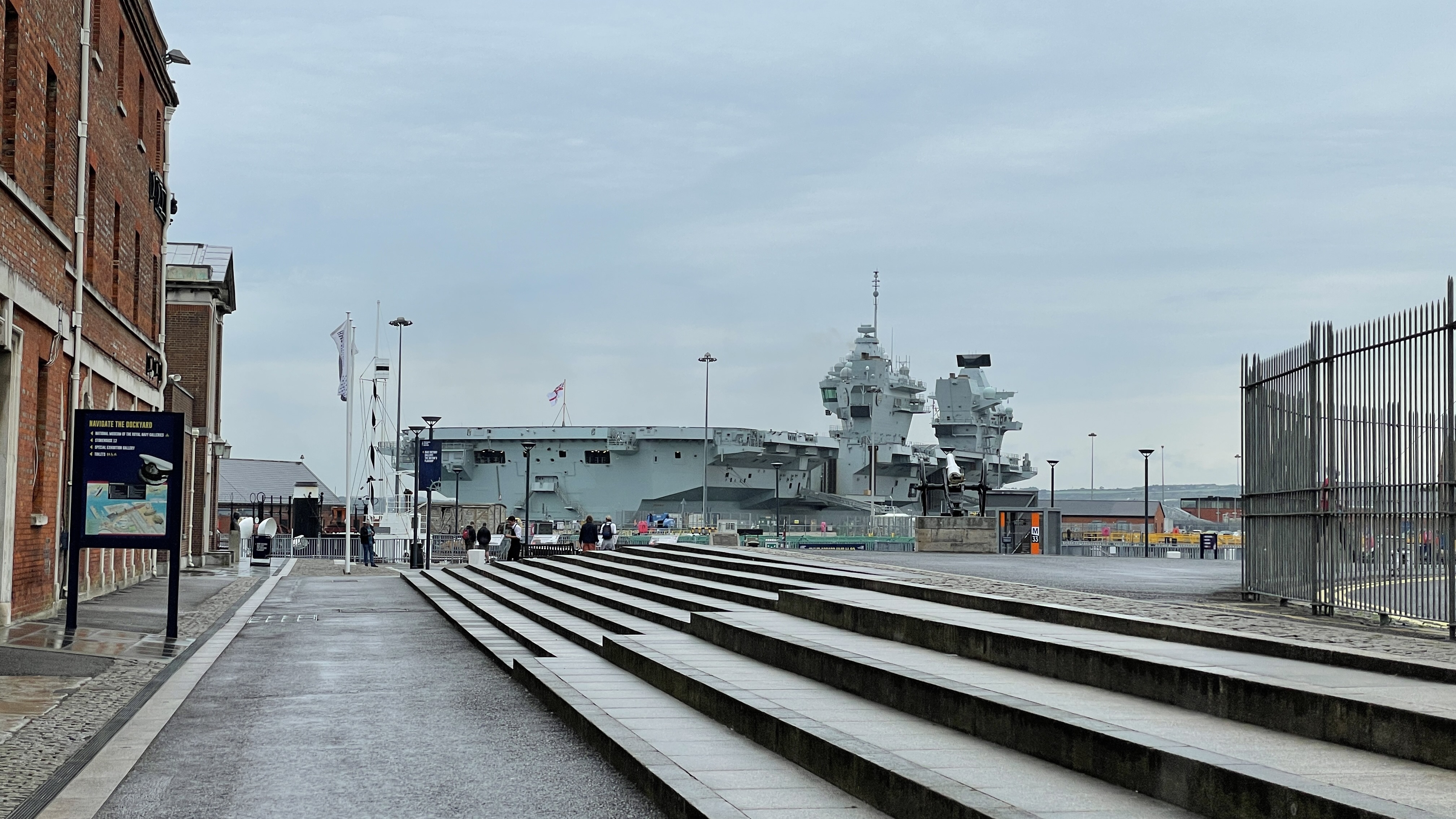
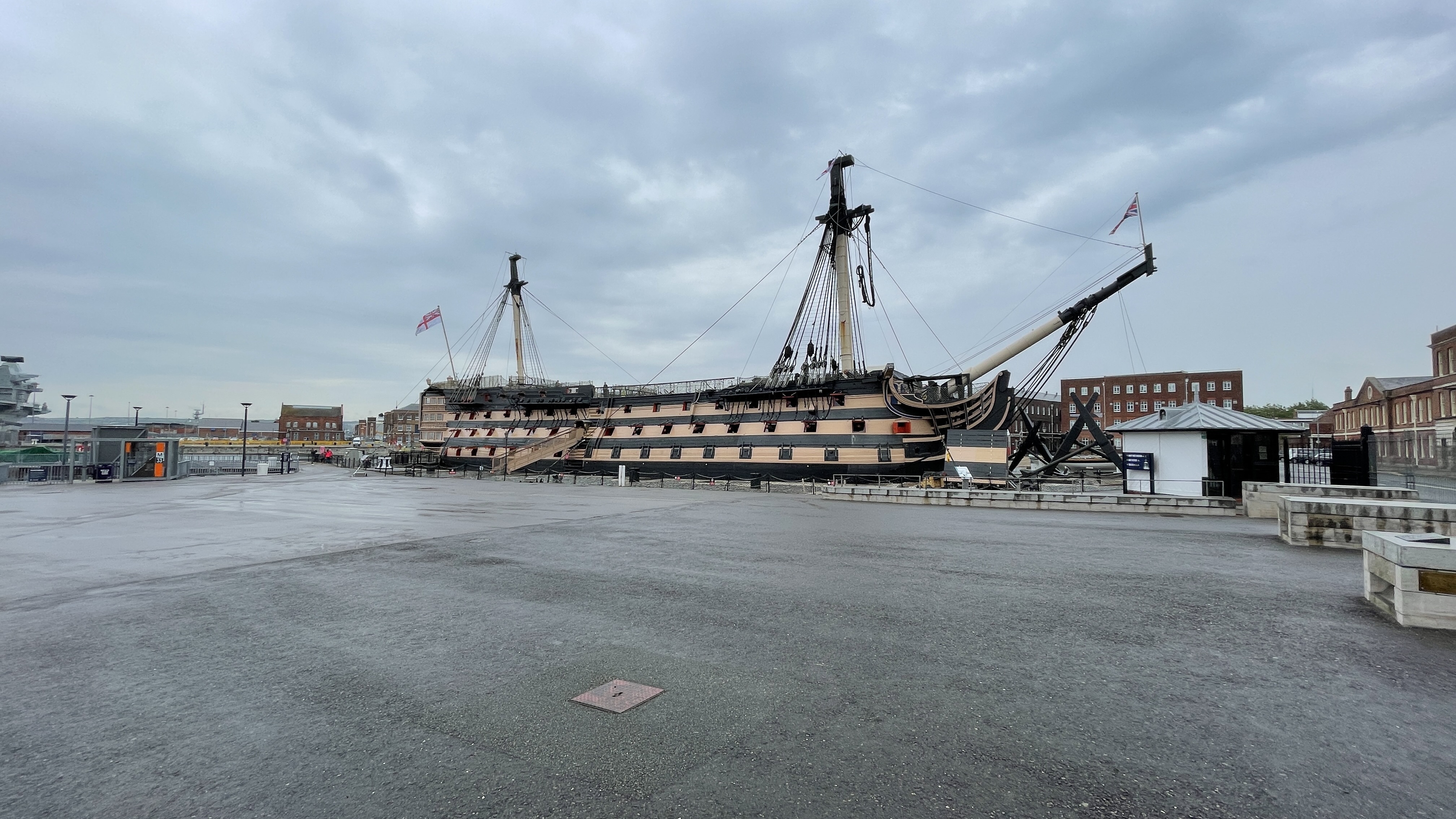
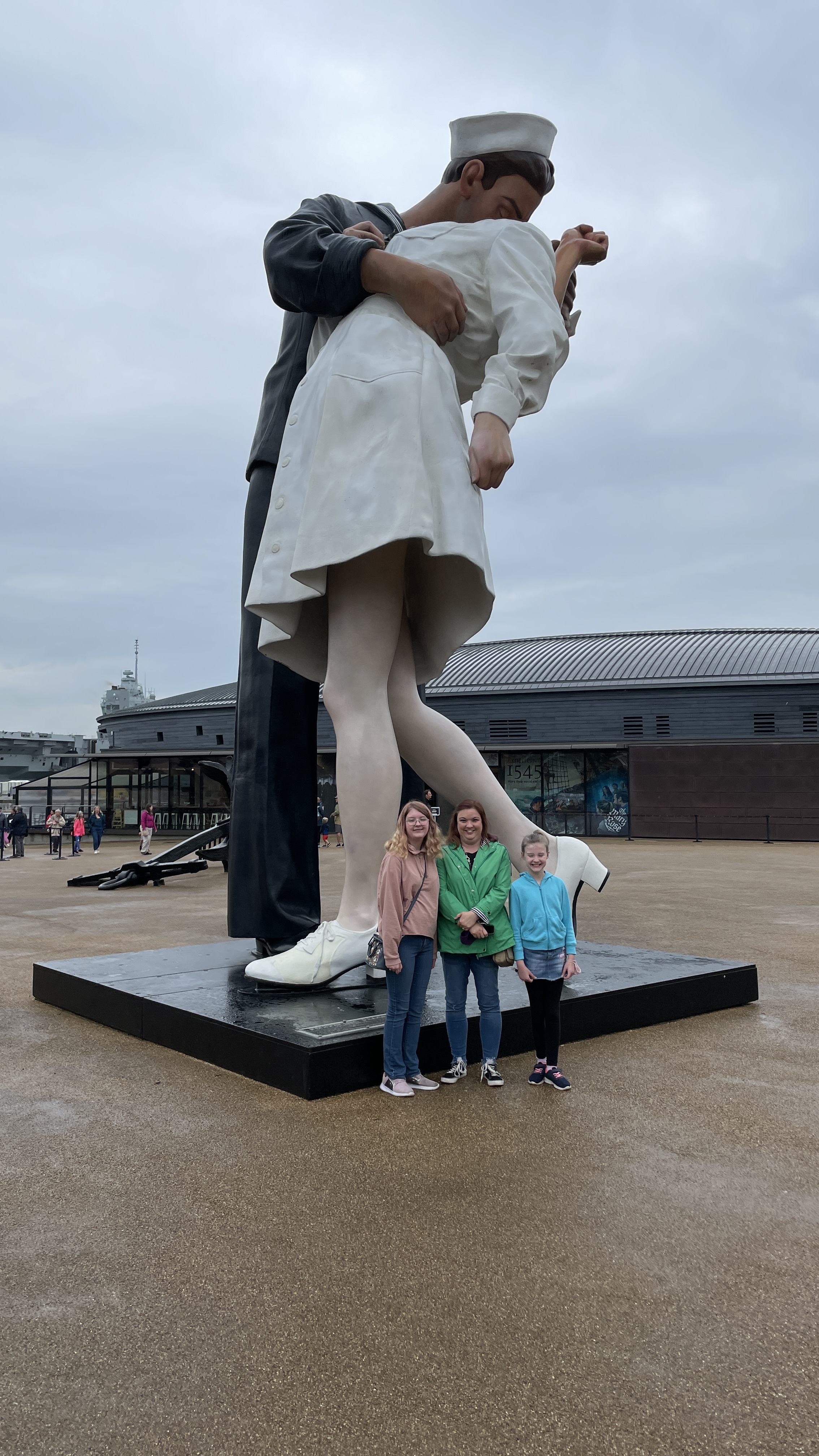
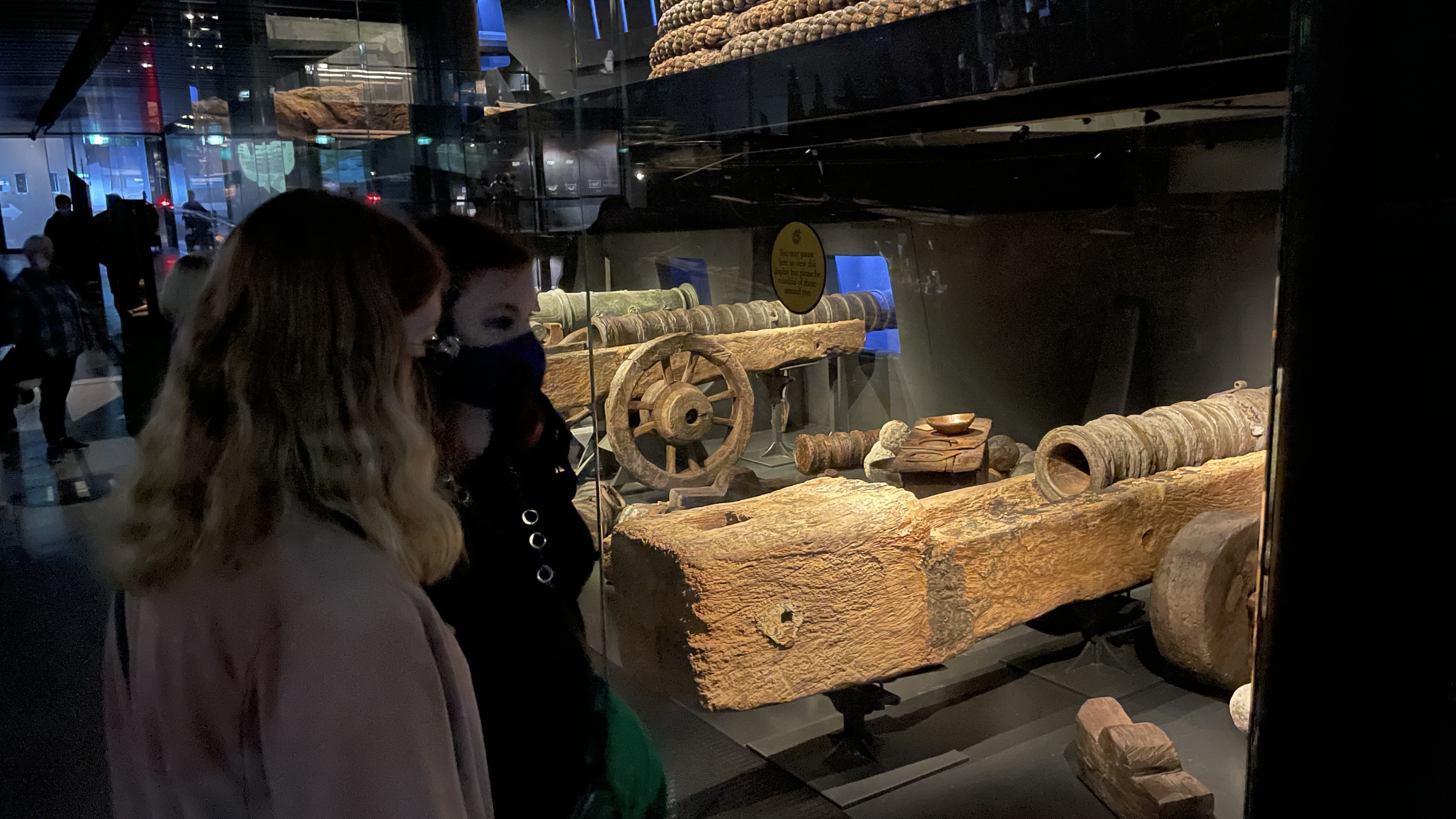
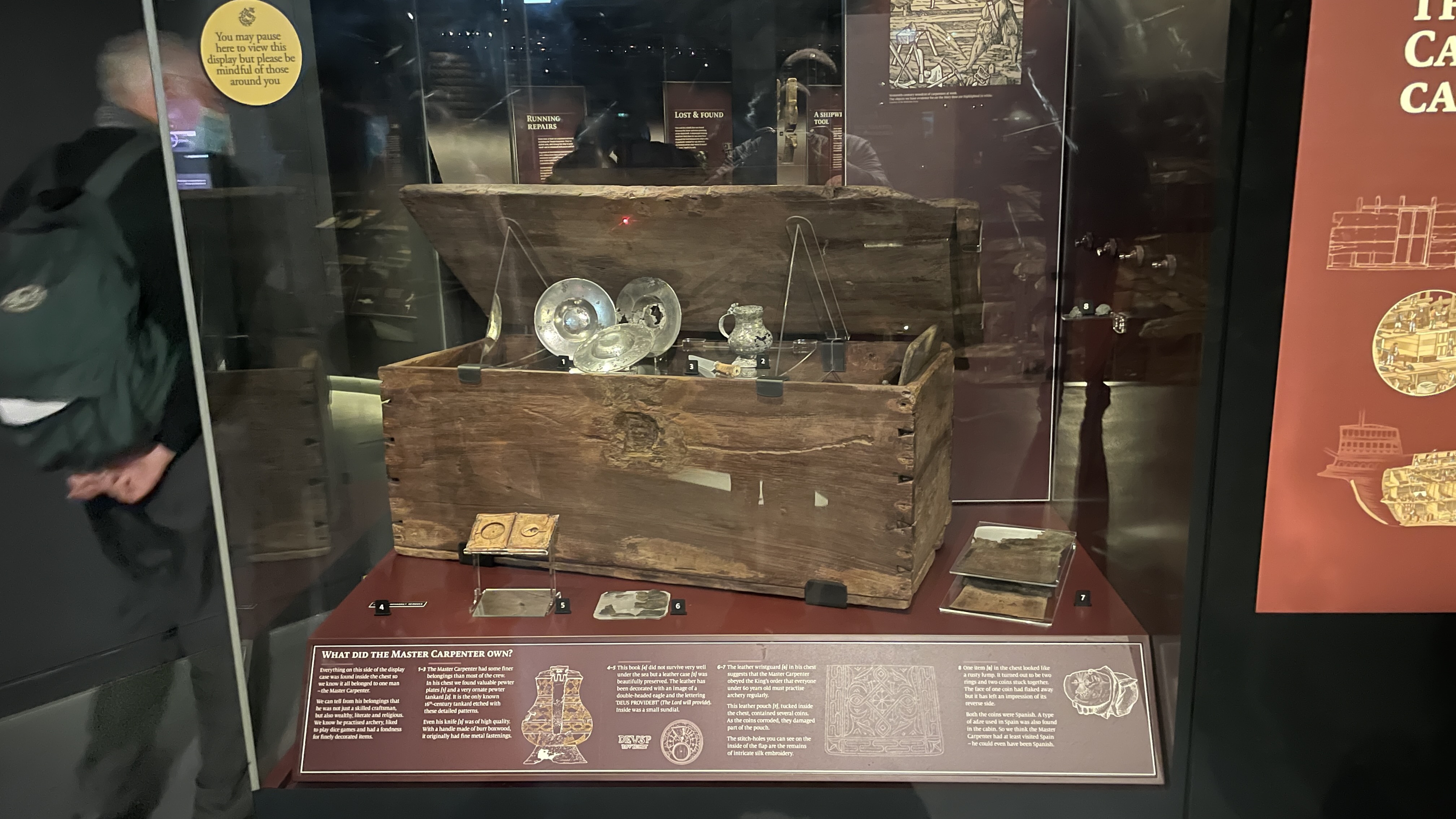
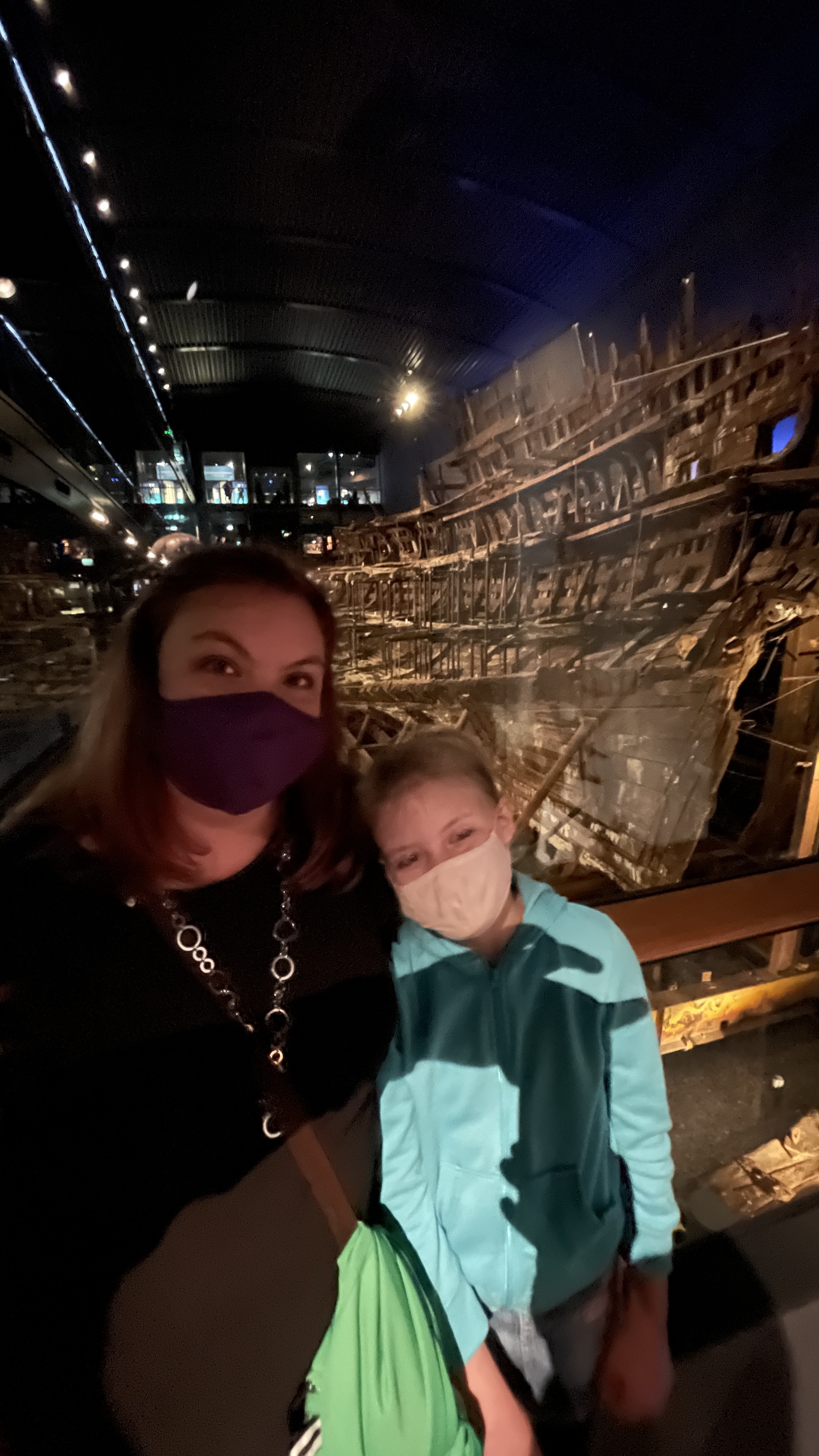
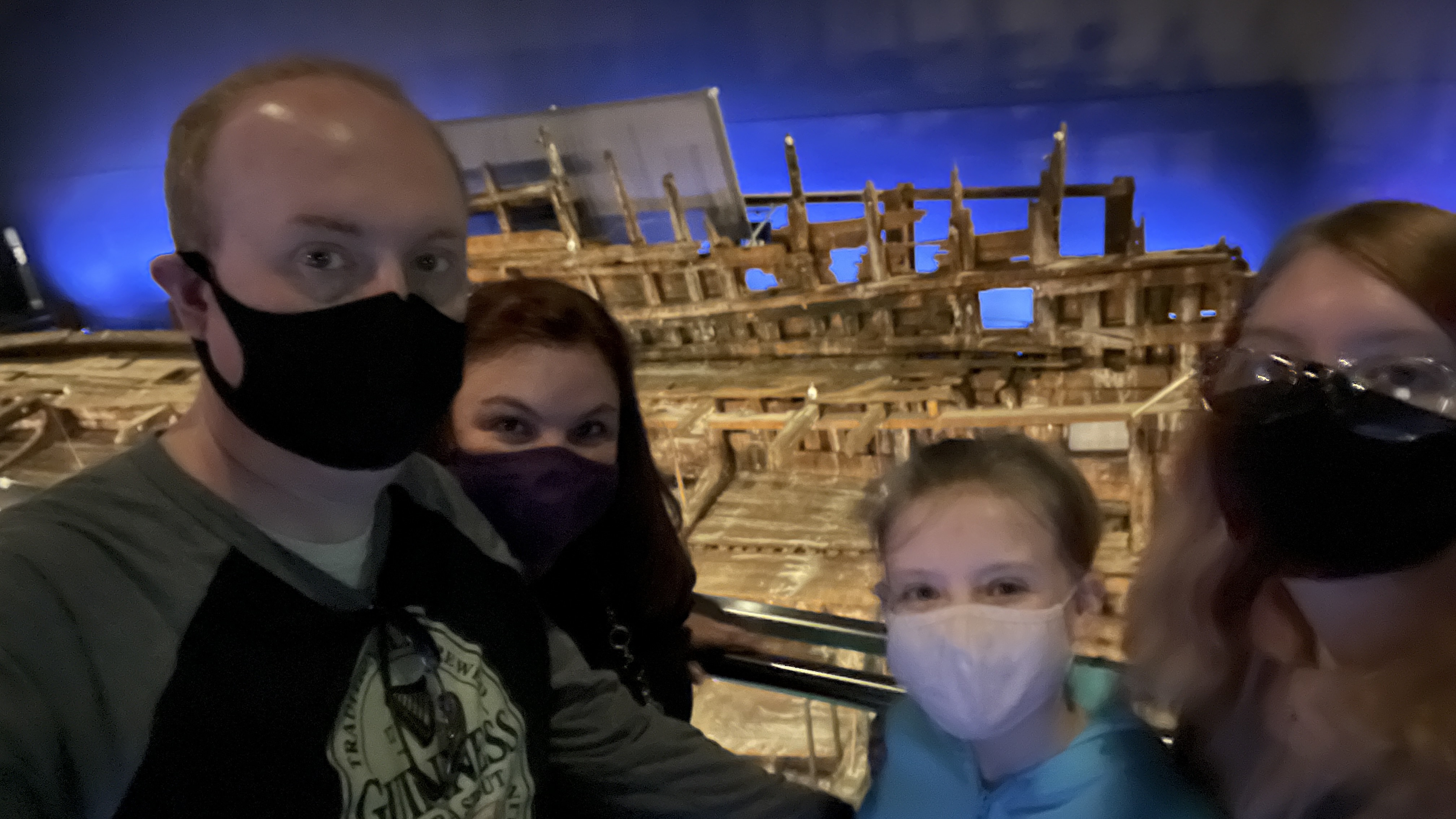
Yesterday was Kyla’s birthday. She got the choice to do whatever she wanted and she chose to go to Portsmouth to see the Mary Rose museum. It’s located in the Dockyards in Portsmouth. Most of this still an active Naval base, with nearly 20,000 employees, and home to 2/3 of the Royal Navy’s ships. A portion, called the Historic Dockyard, is open to the public and is home to the Mary Rose, HMS Victory (Admiral Nelson’s ship), and various other ships of historical interest.
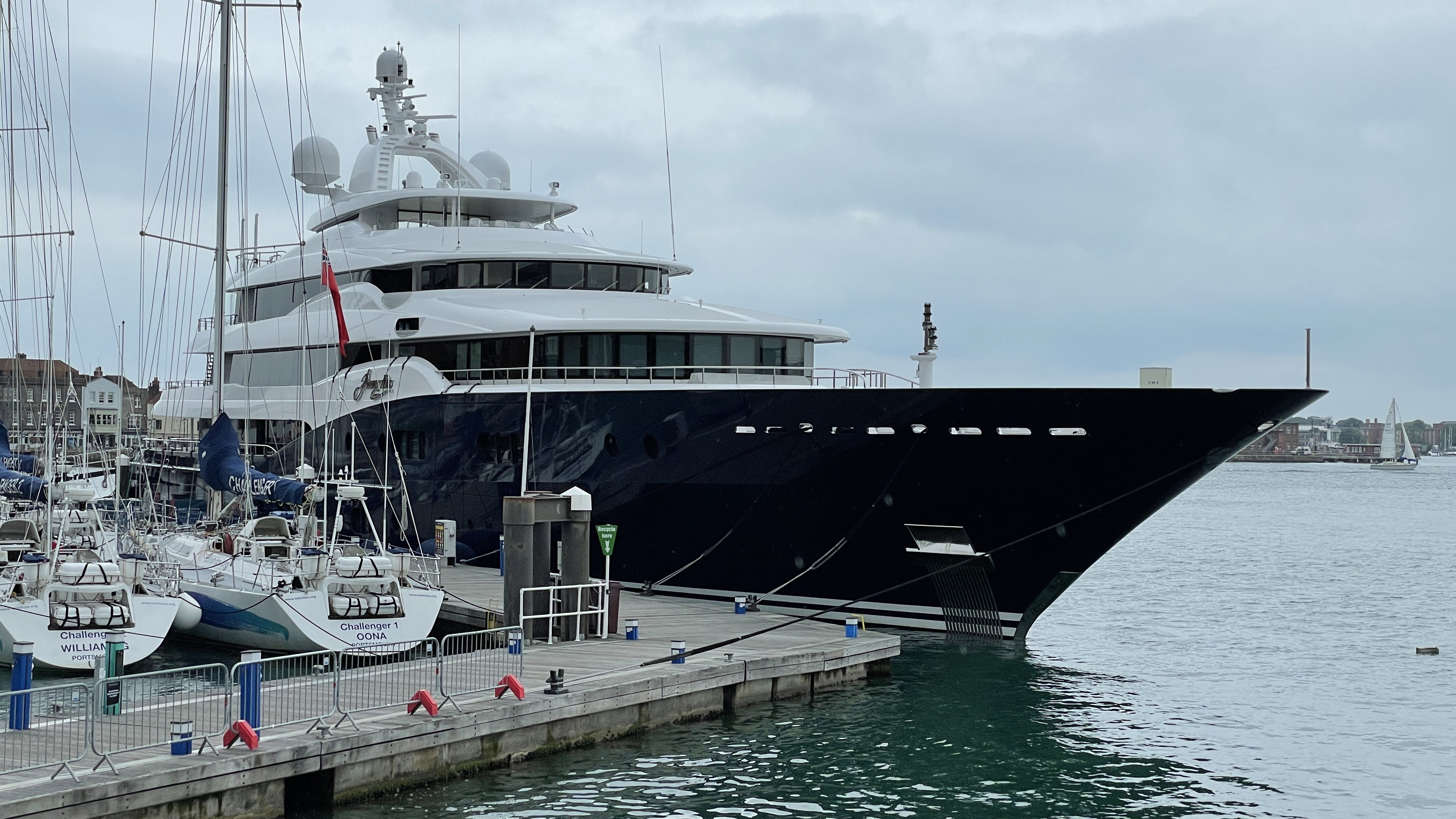
Pictures of the dockyard entrance and some of the historical vessels.
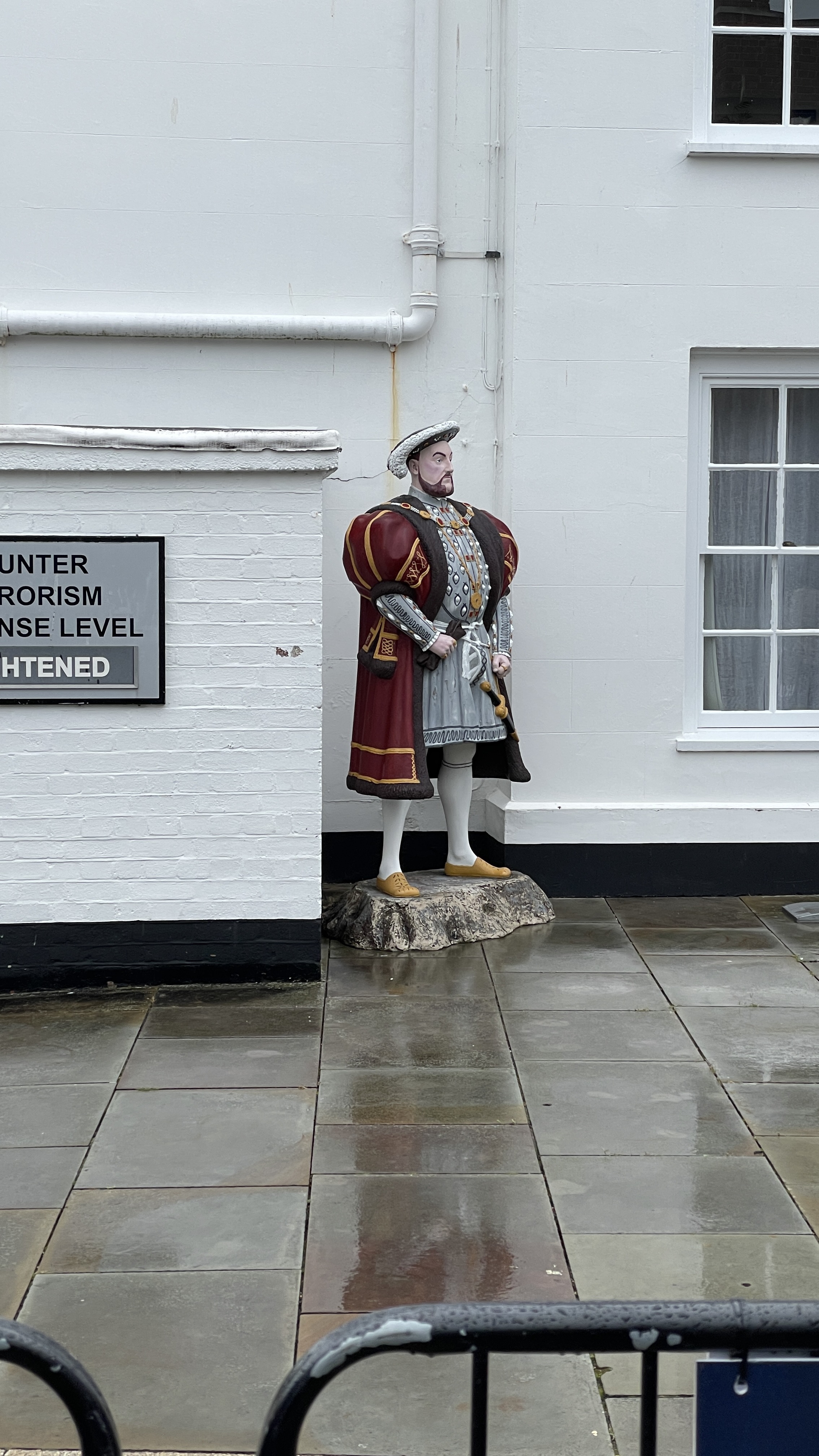
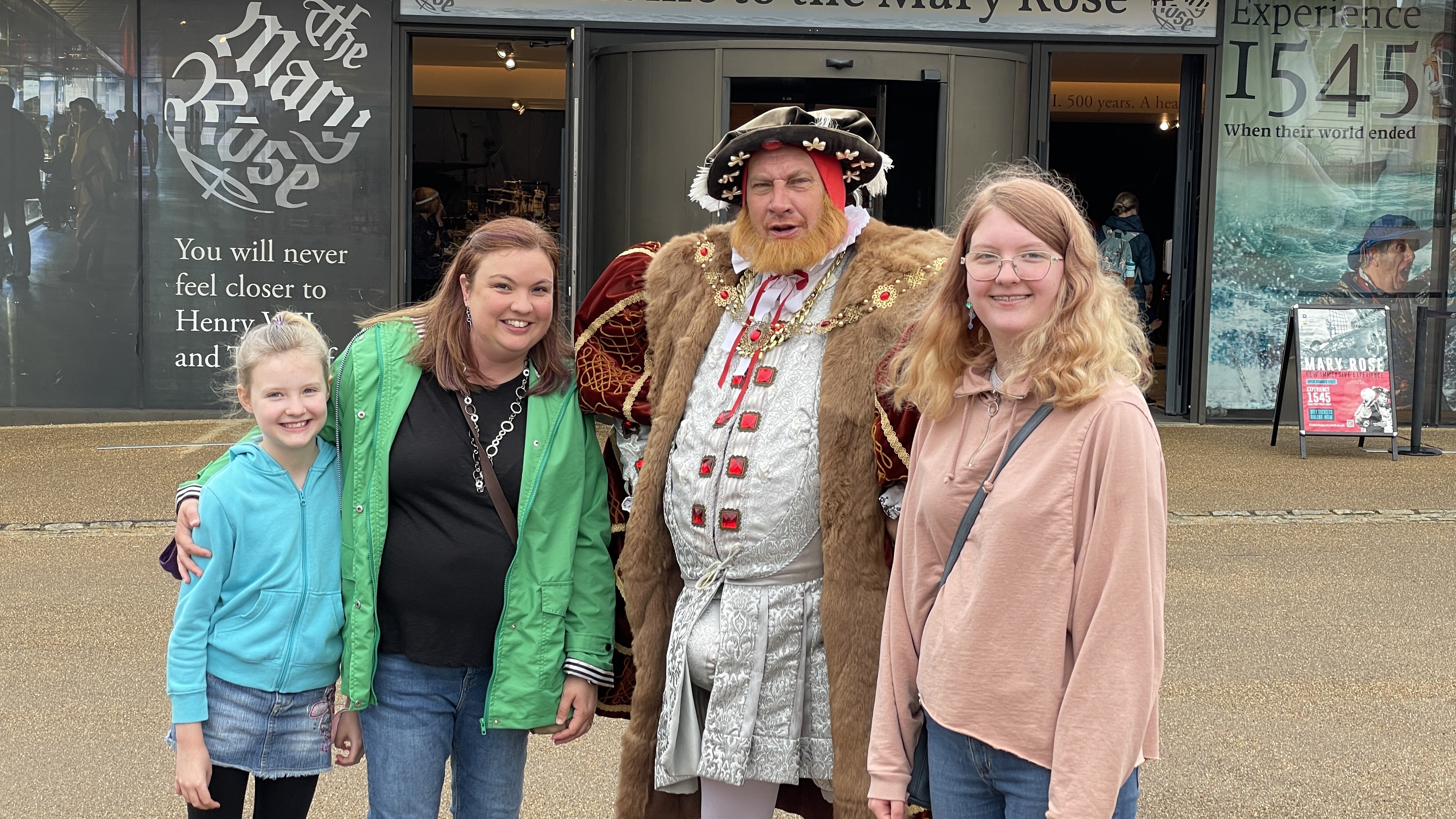
The Mary Rose Museum itself is on the far side of the dockyard, a very modern looking building that was built around the wreck of the ship. Outside the entrance, we were greeted by King Henry VIII himself.
If you look closely, you can see that his costume was VERY accurate.
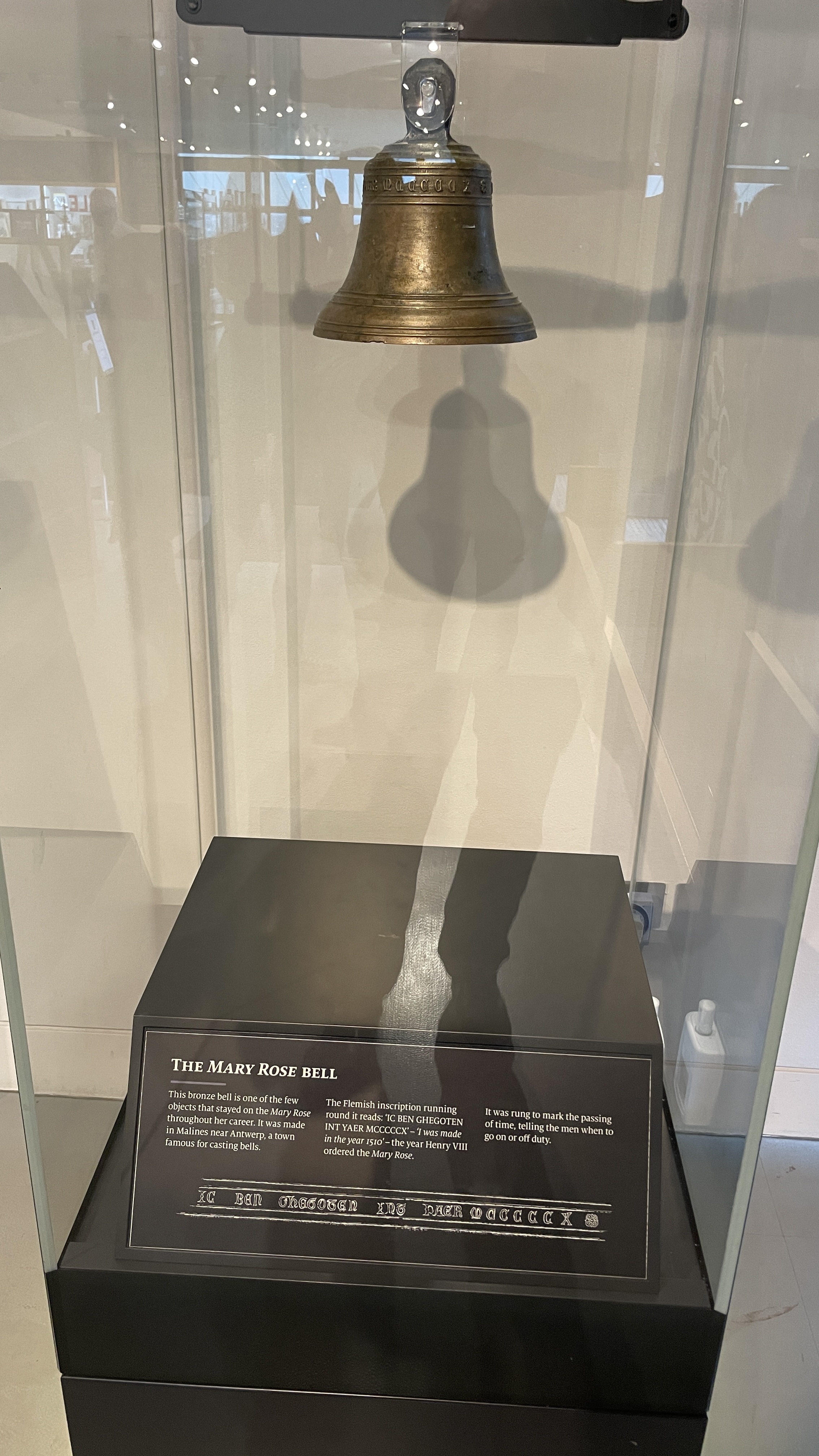
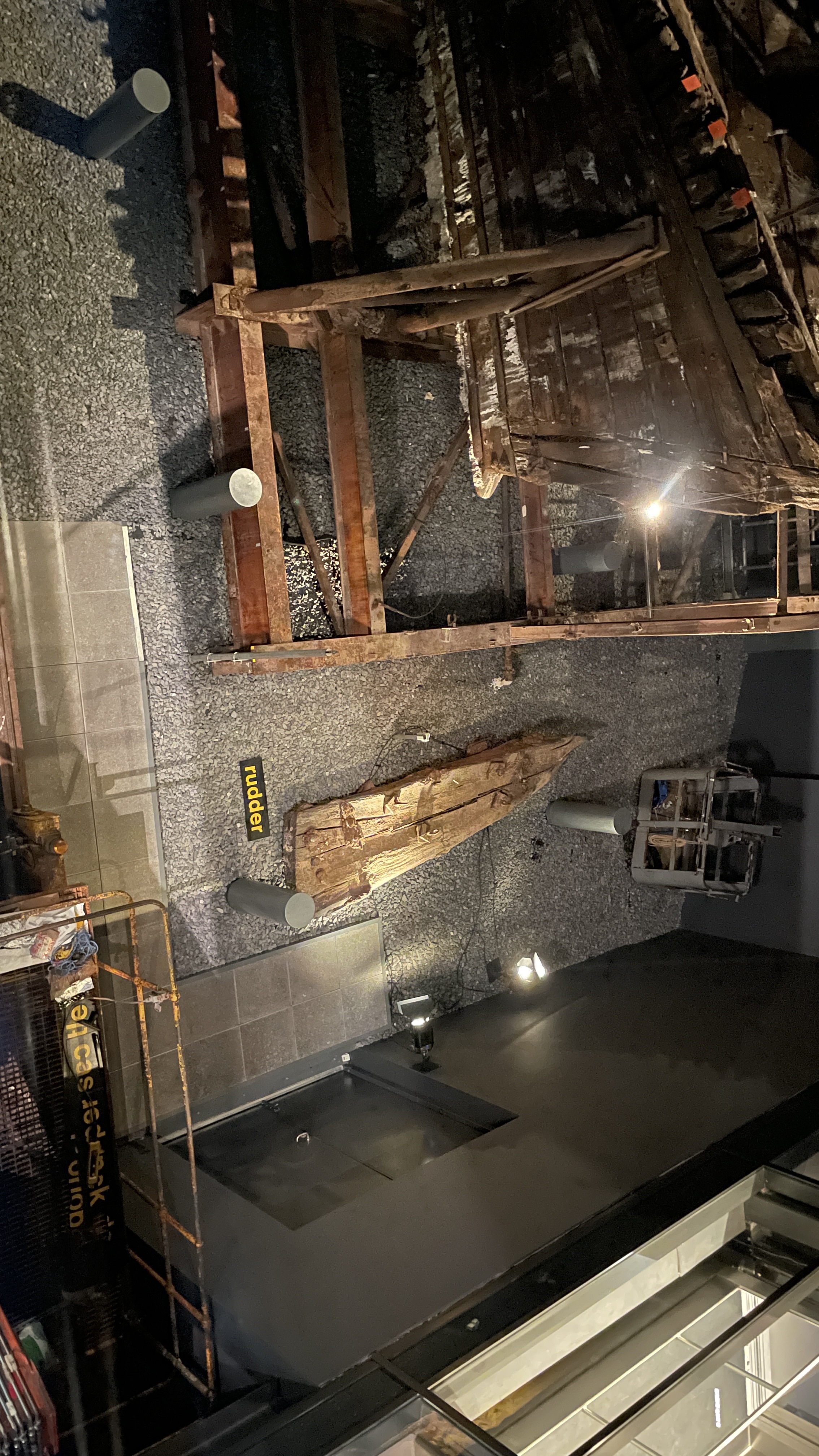
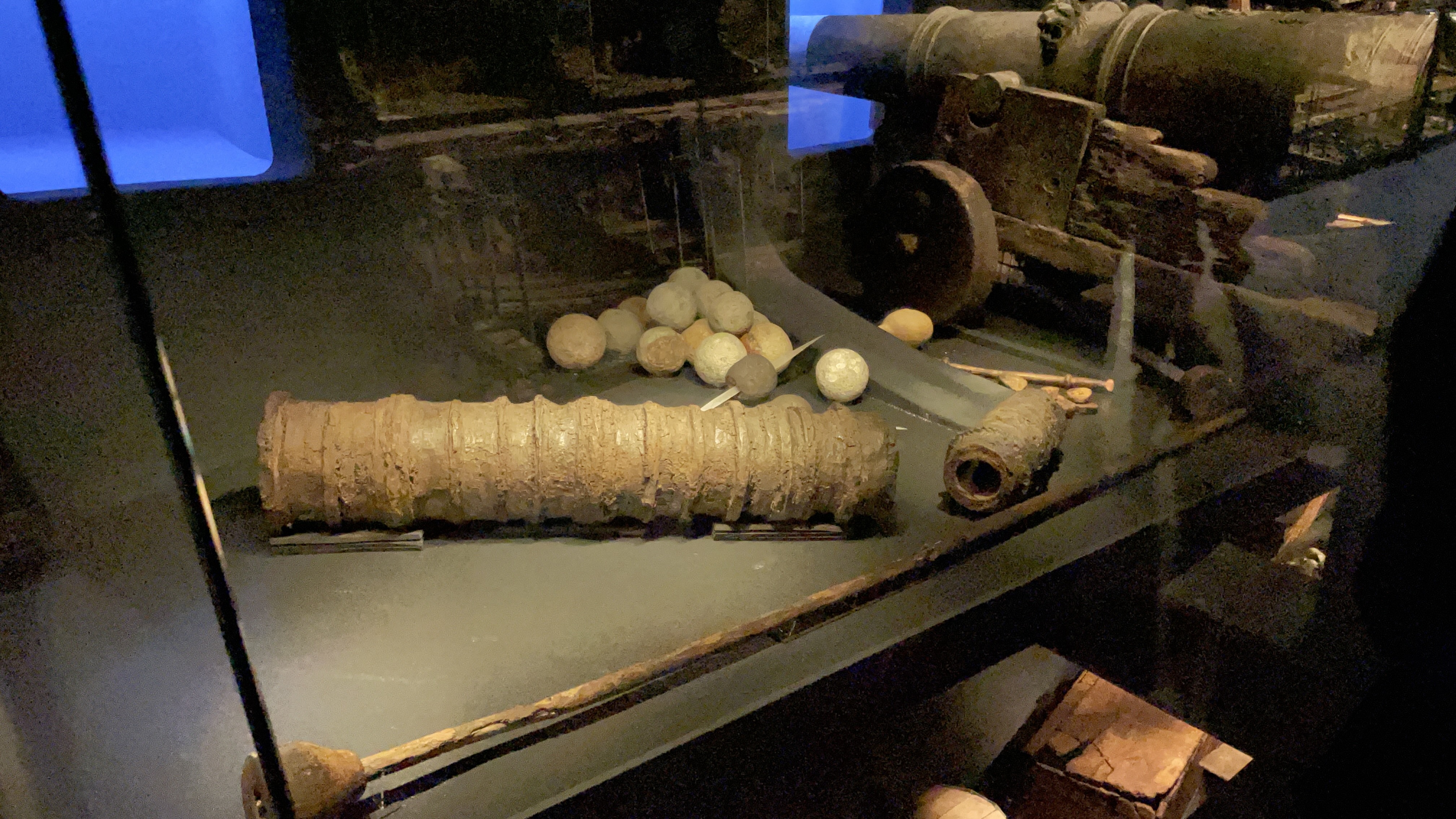
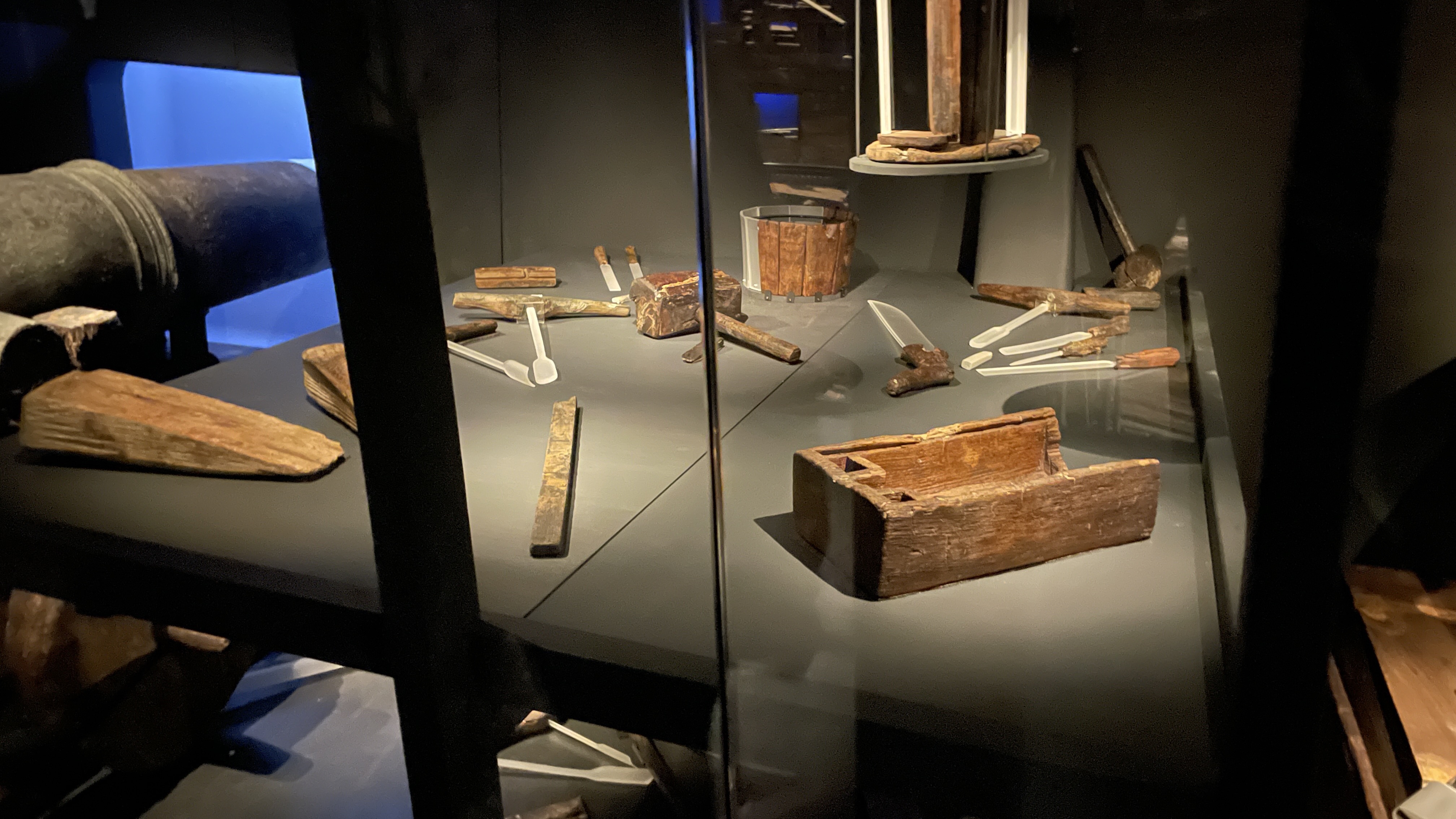
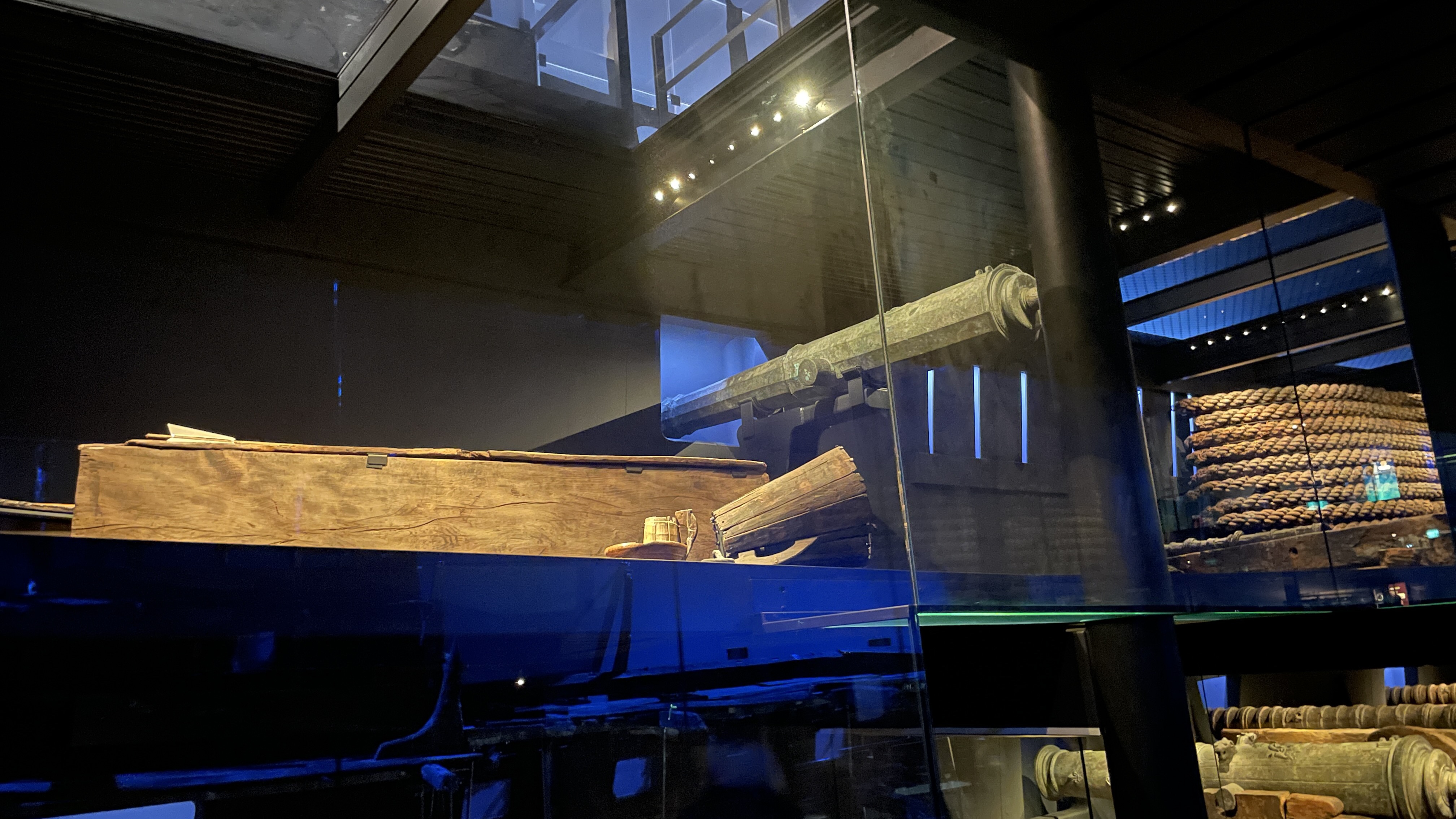
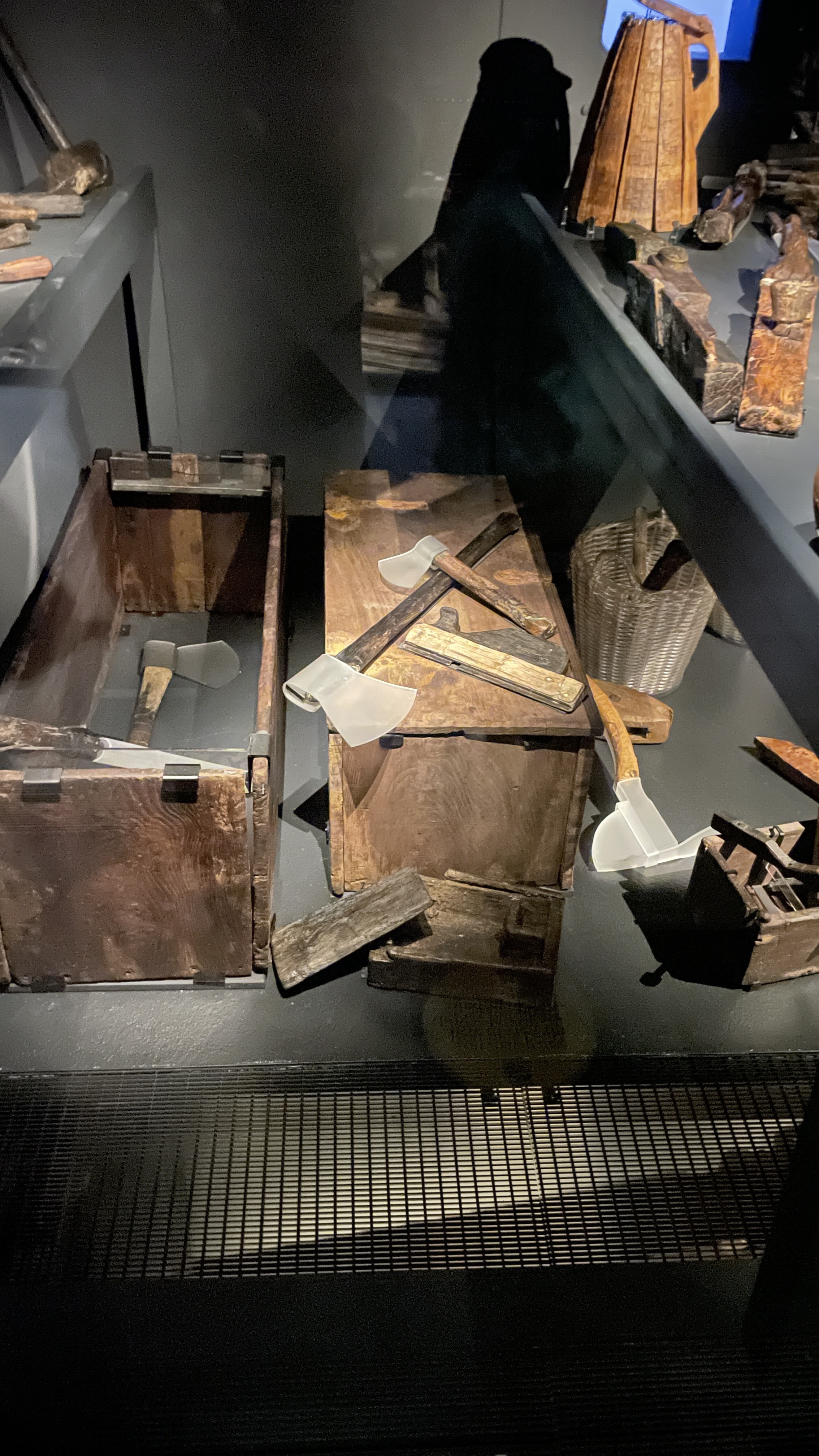
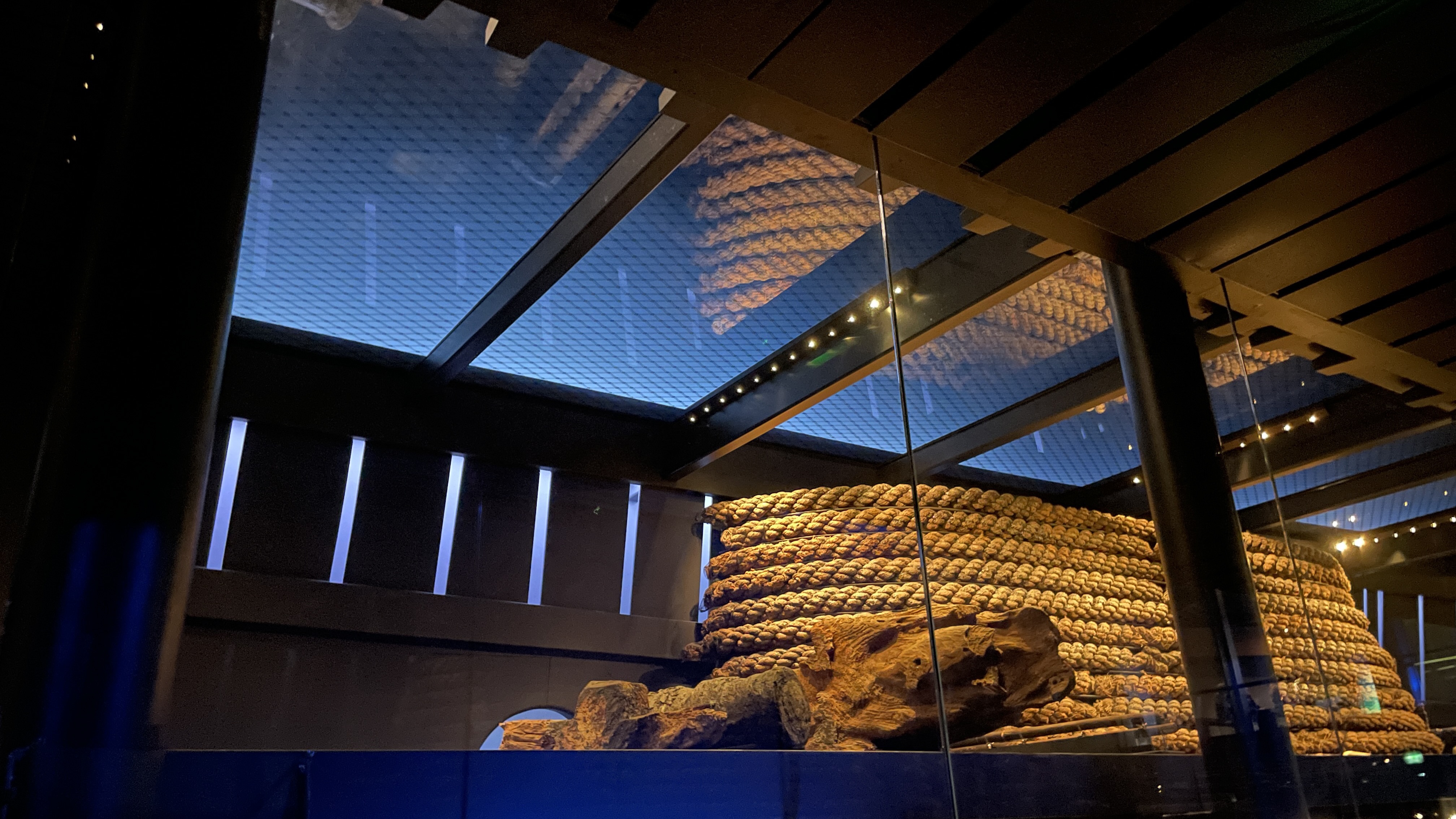
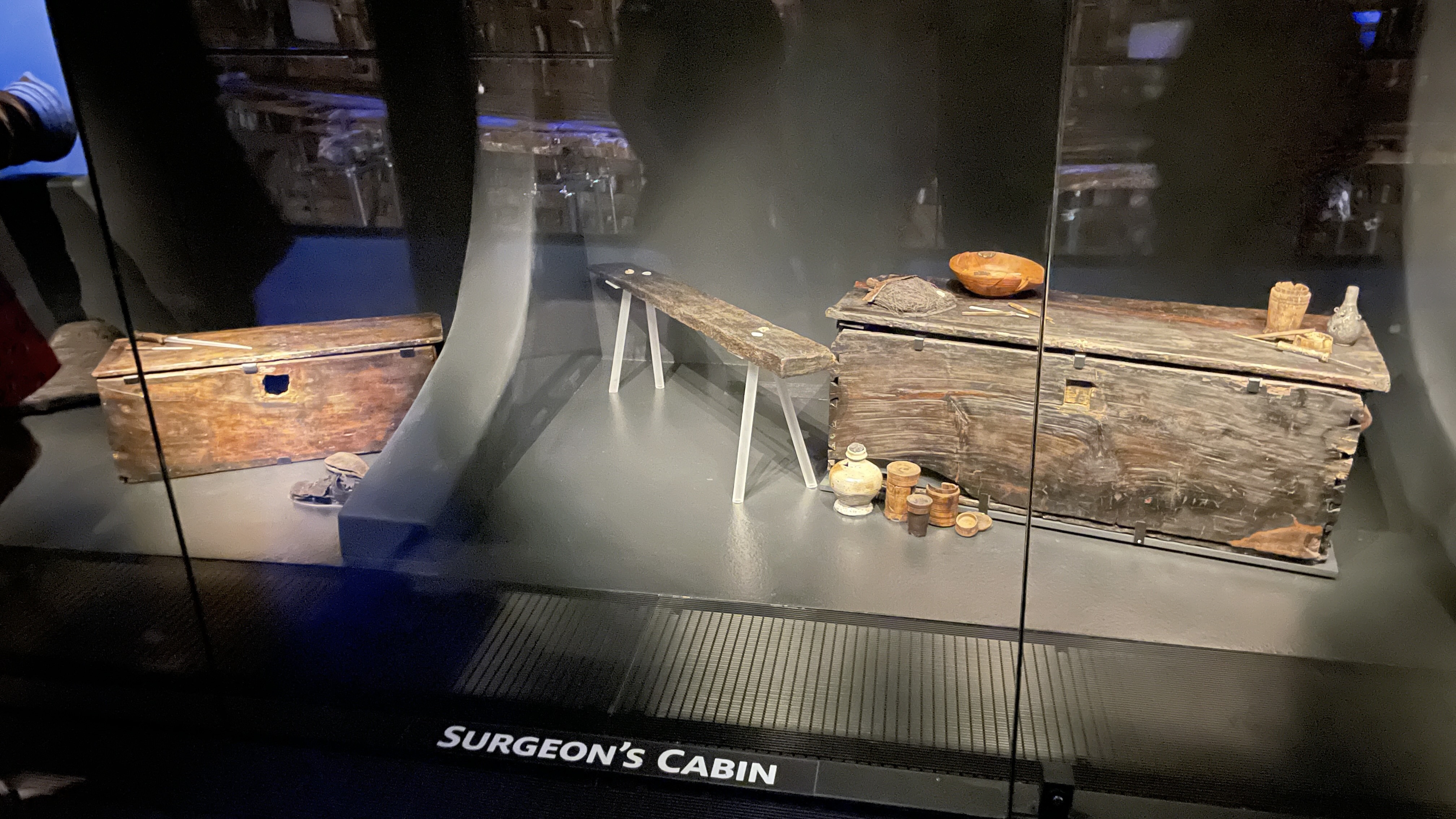
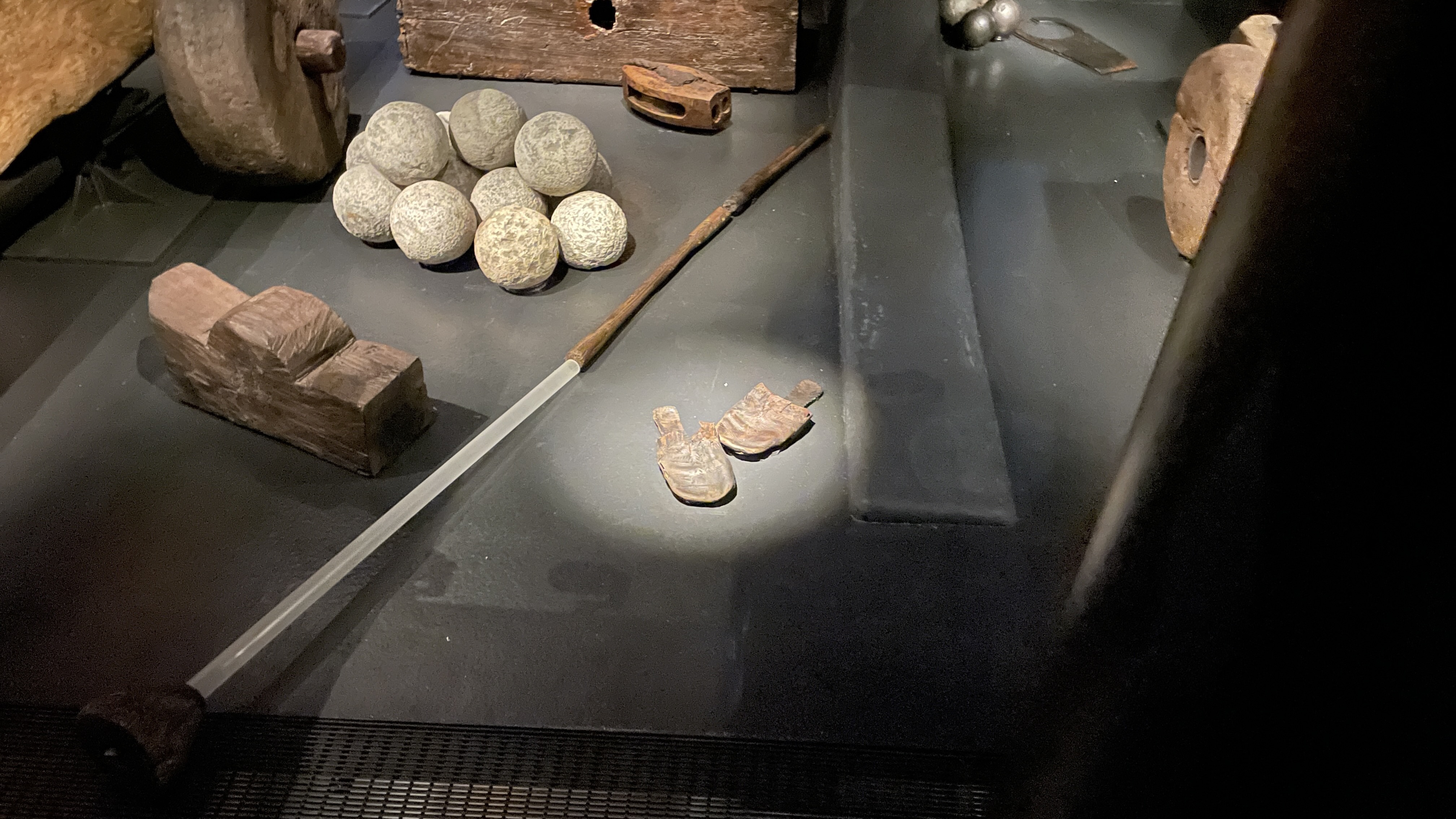
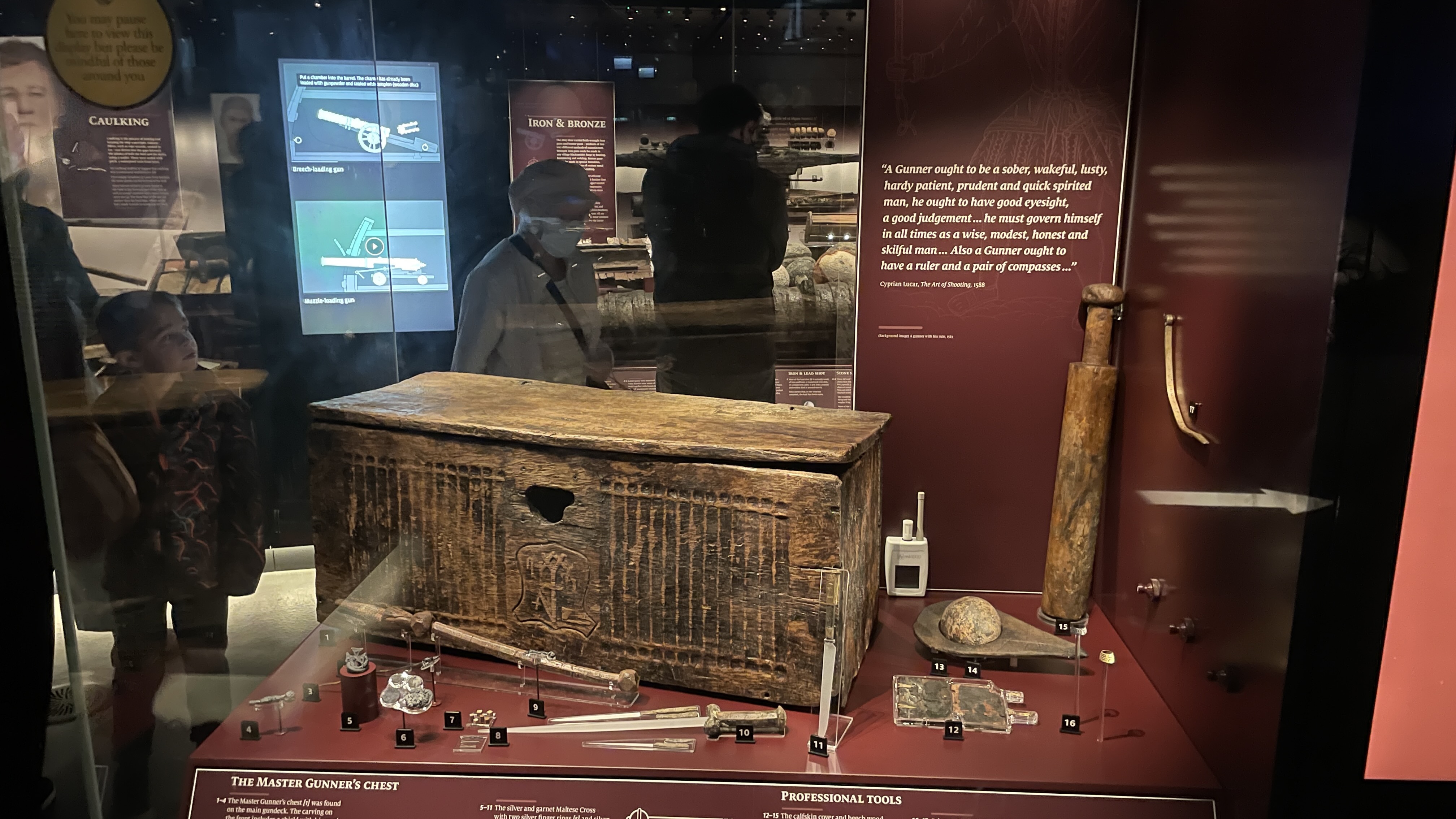
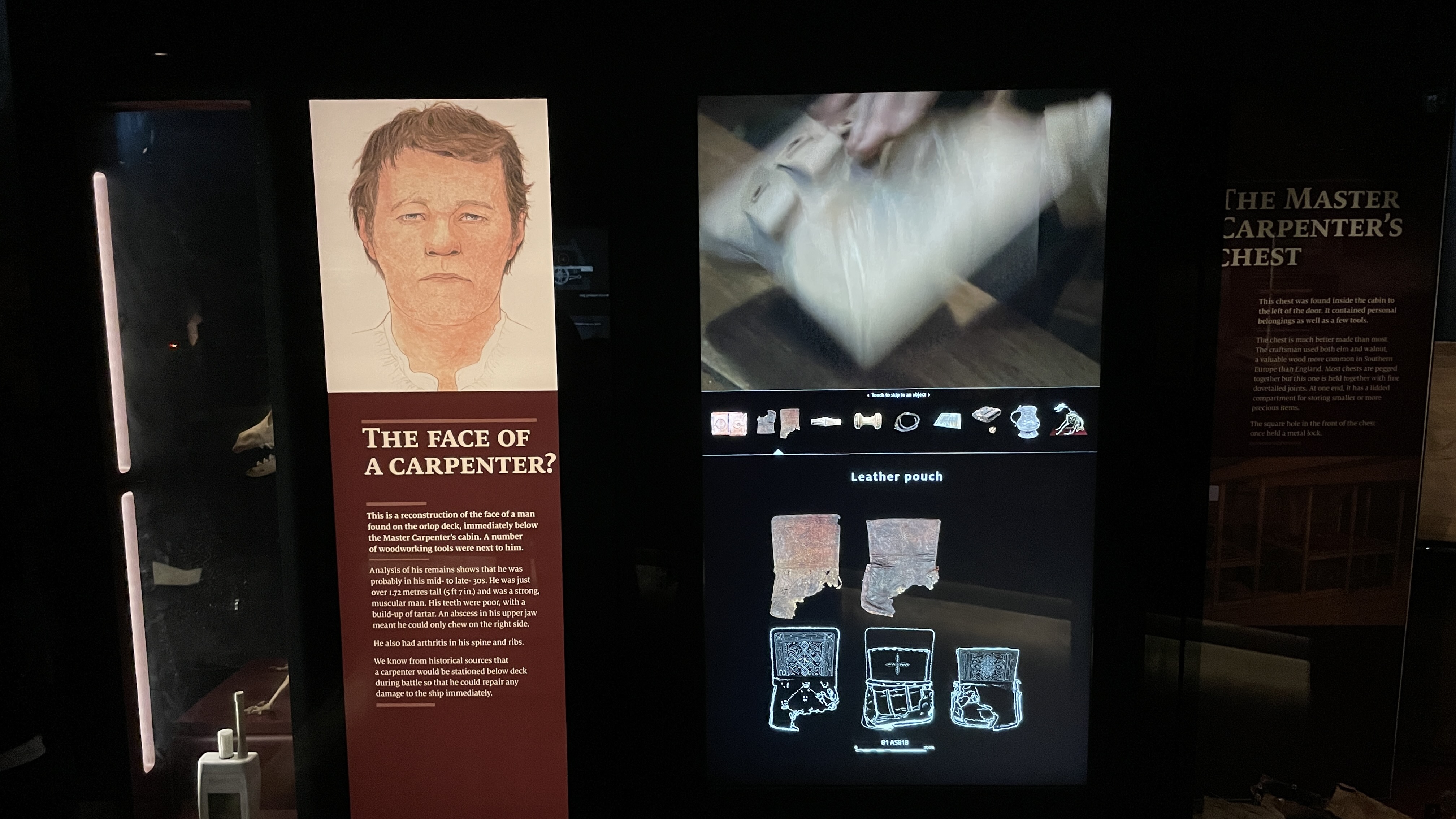
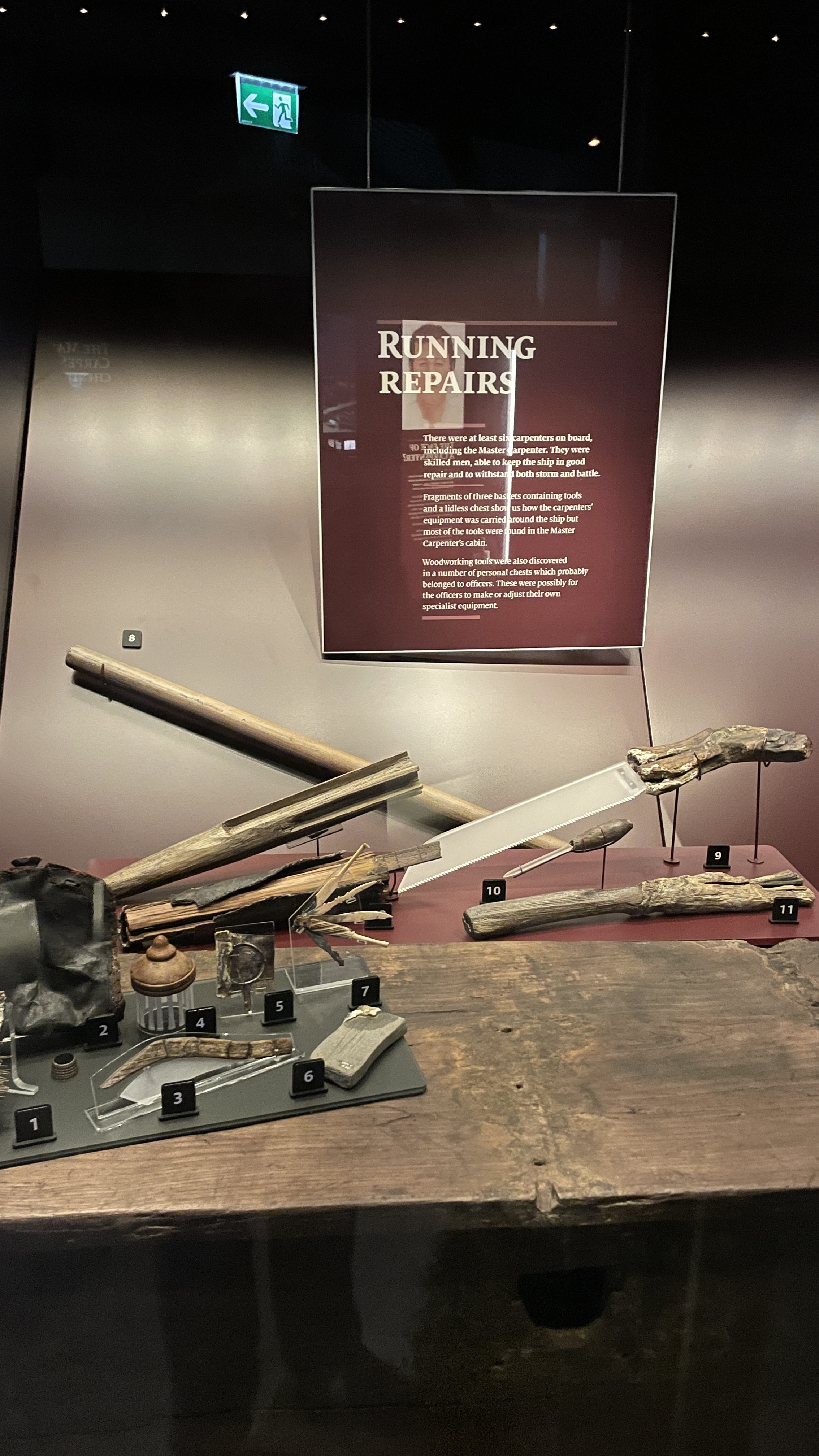
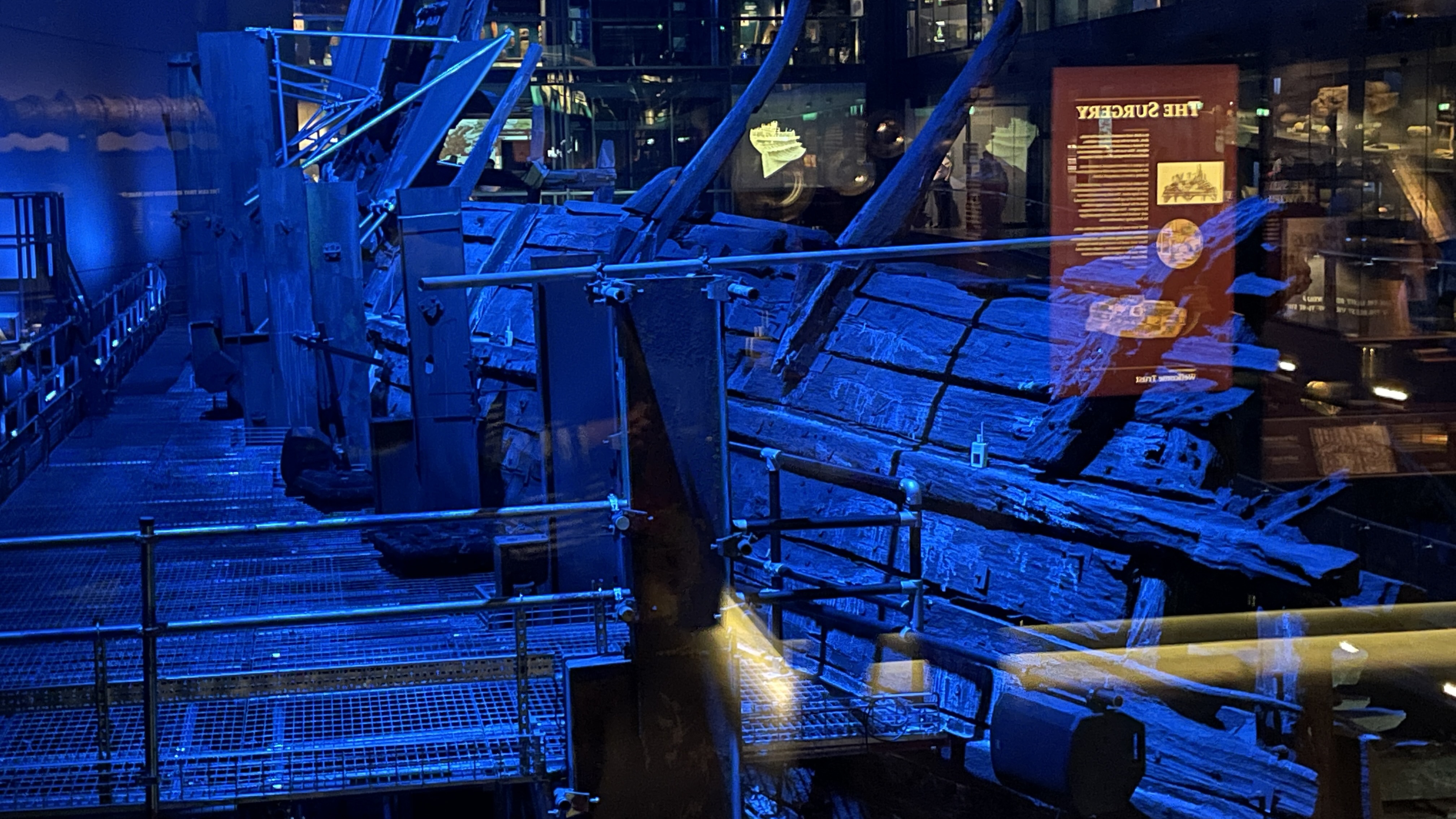
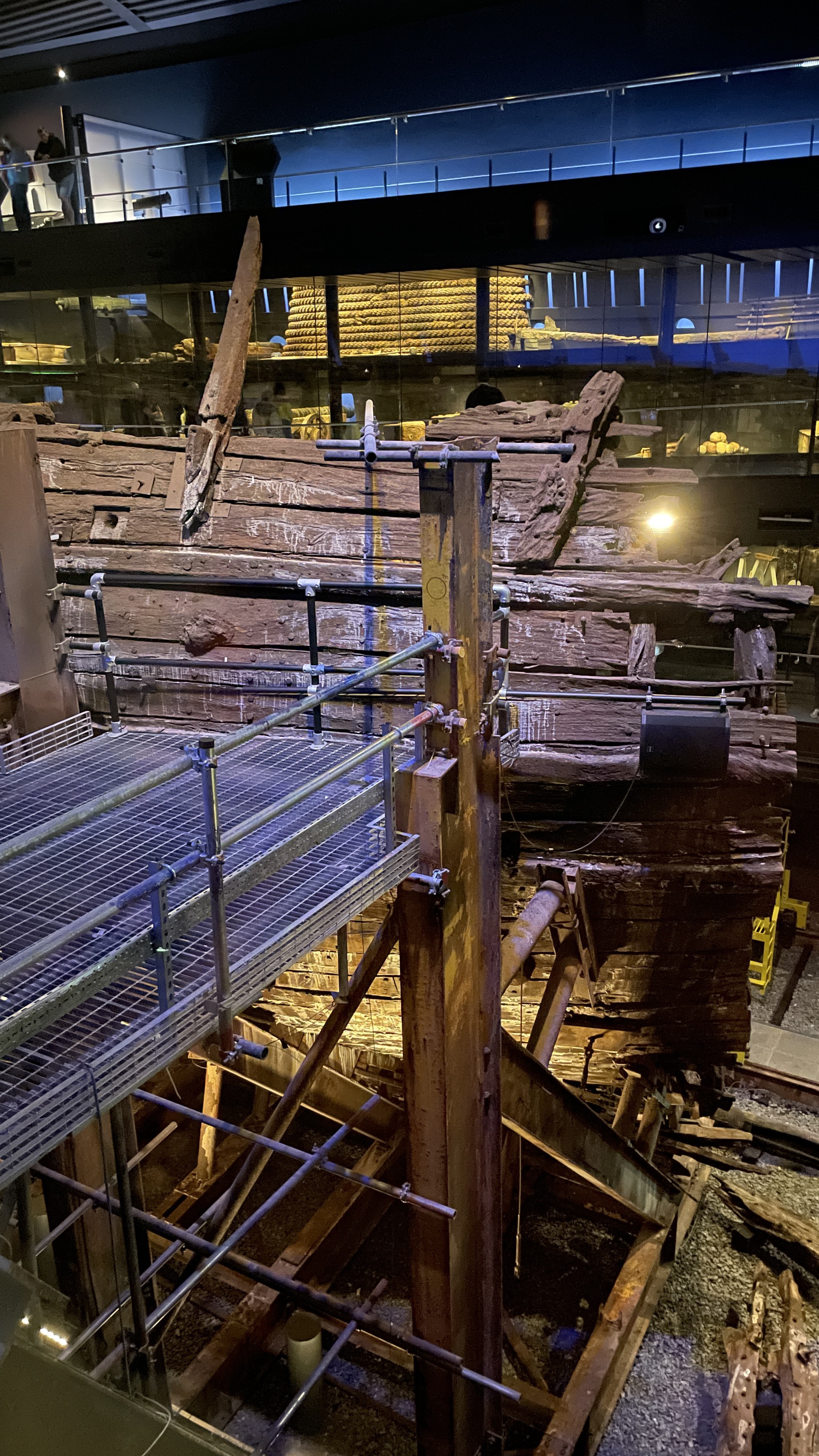
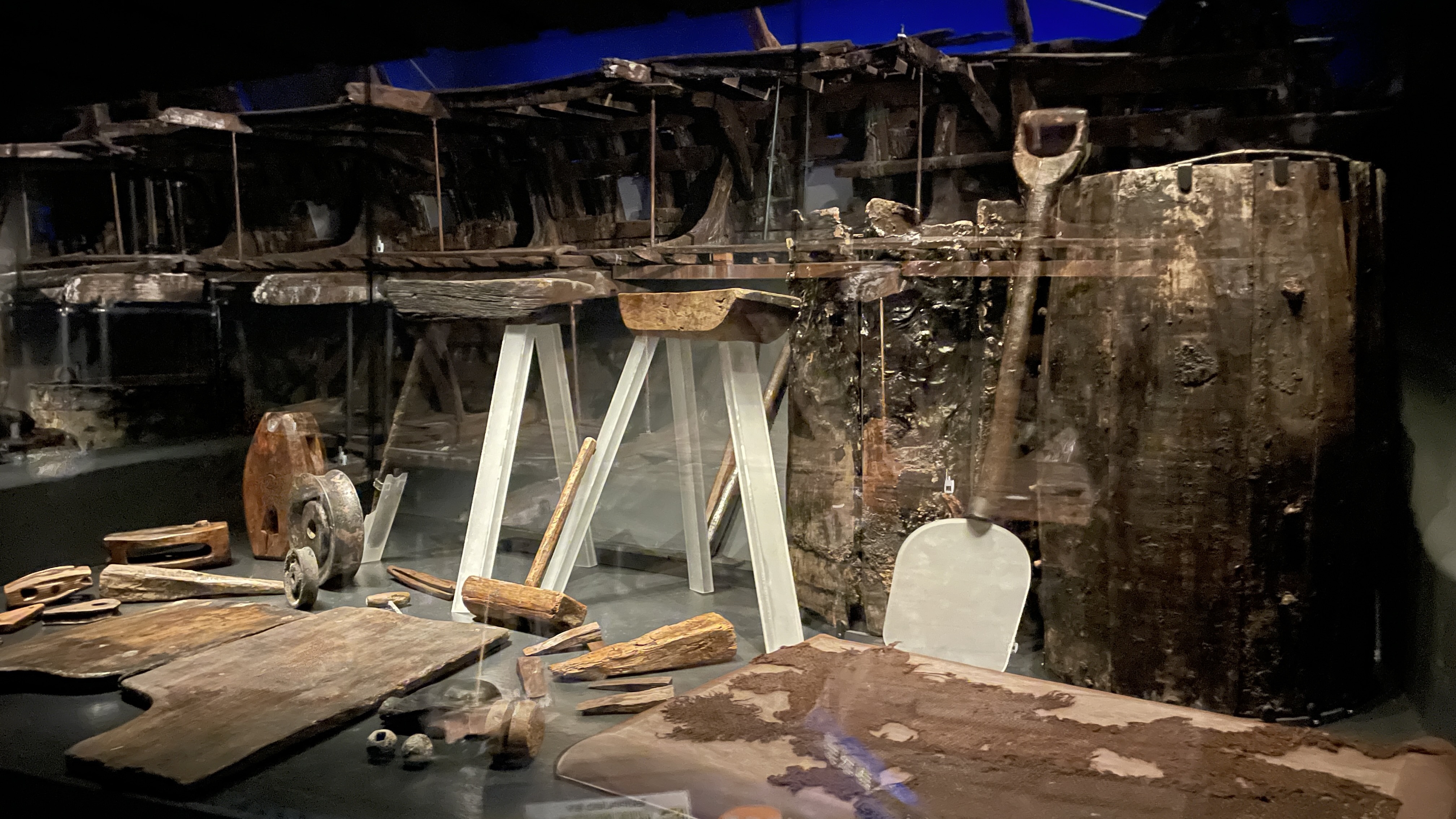
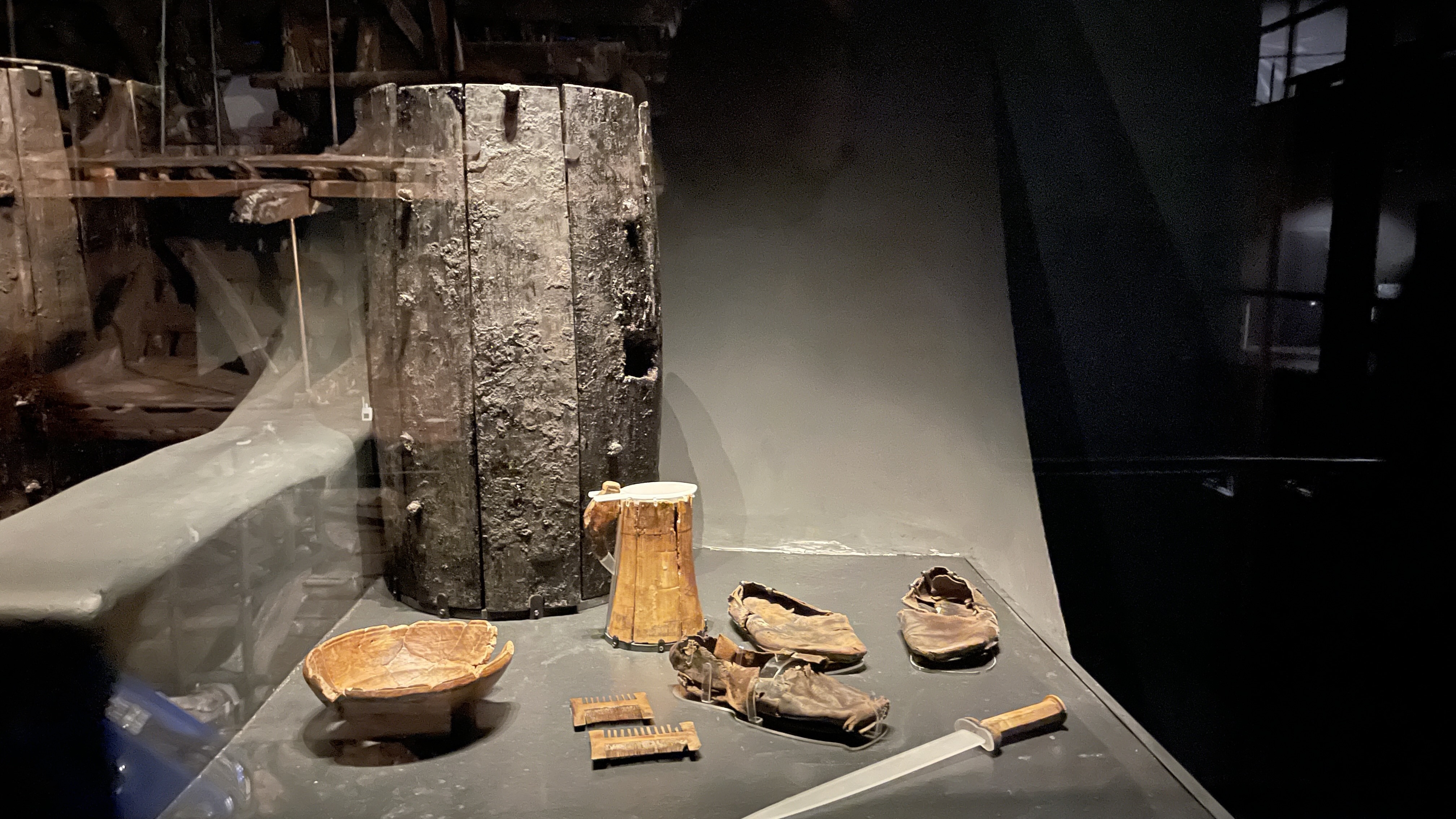
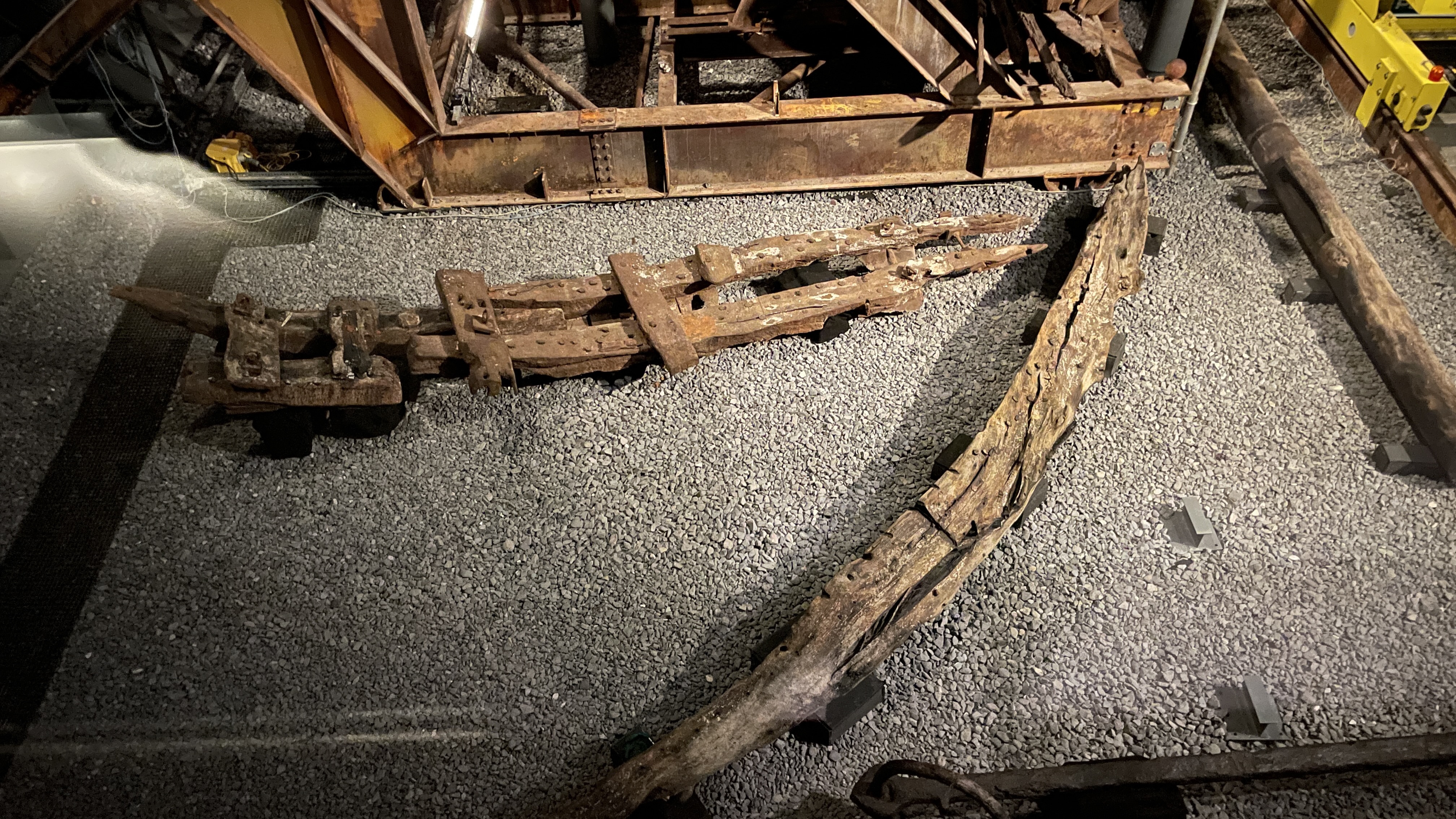
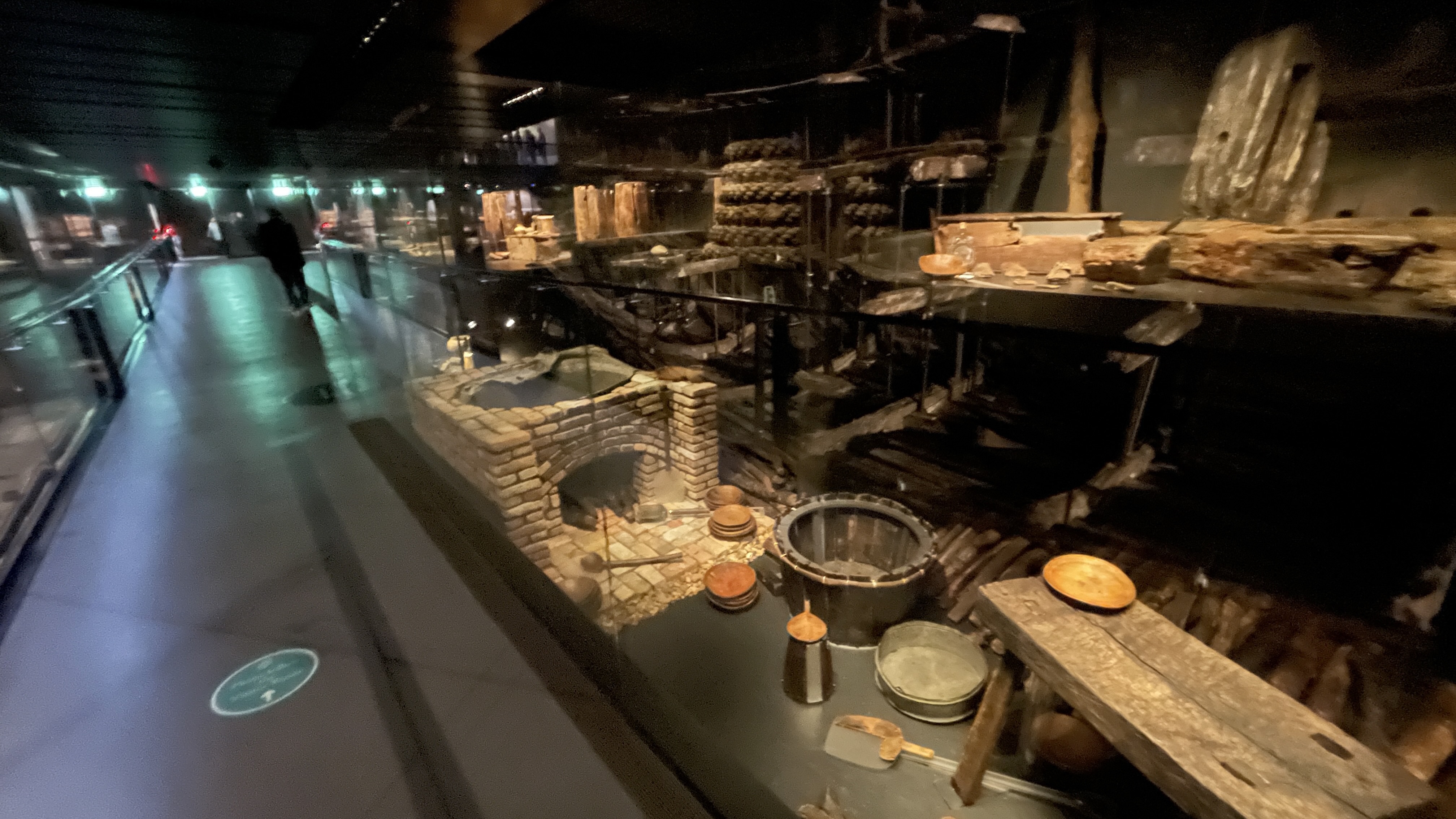
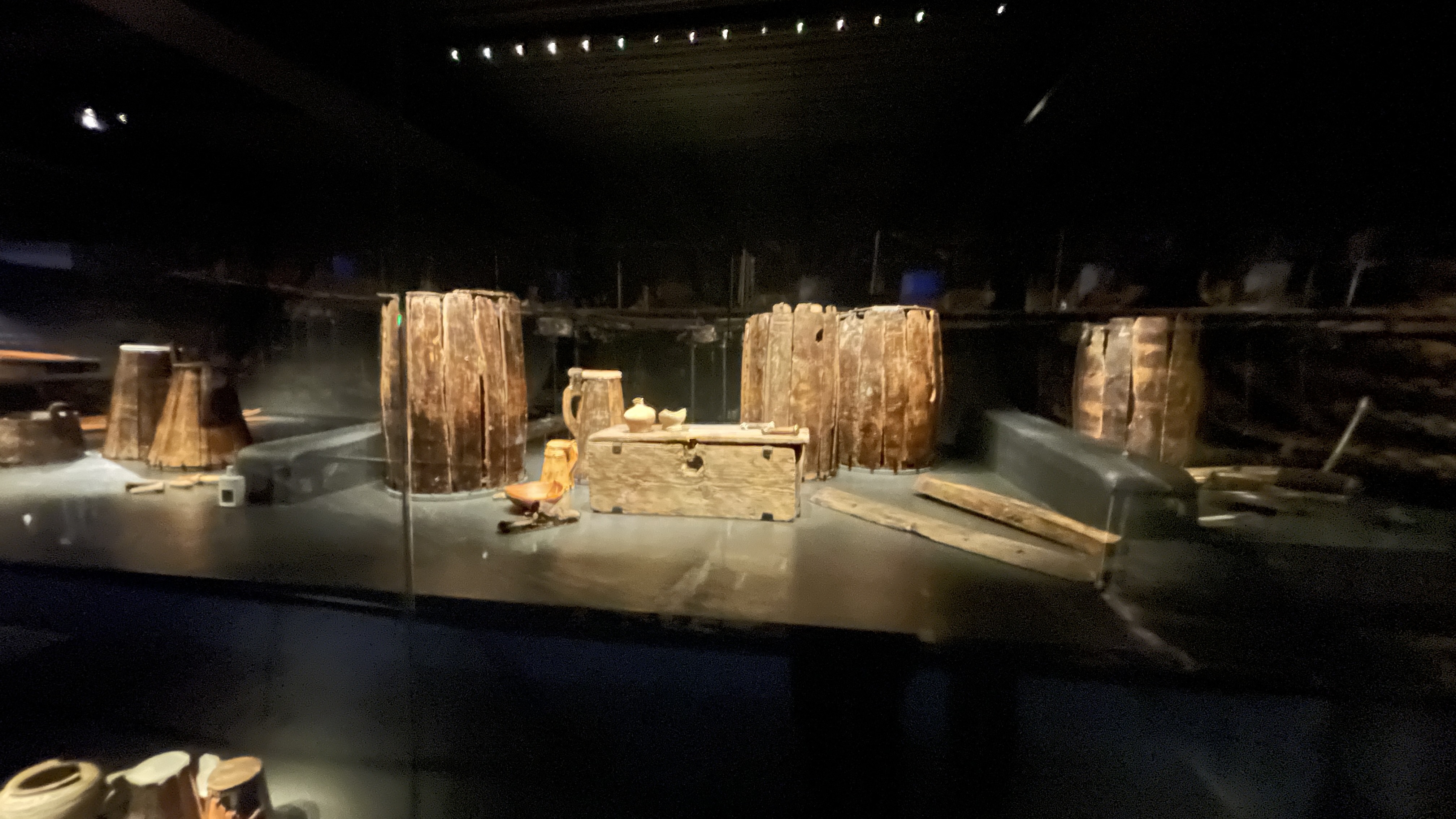
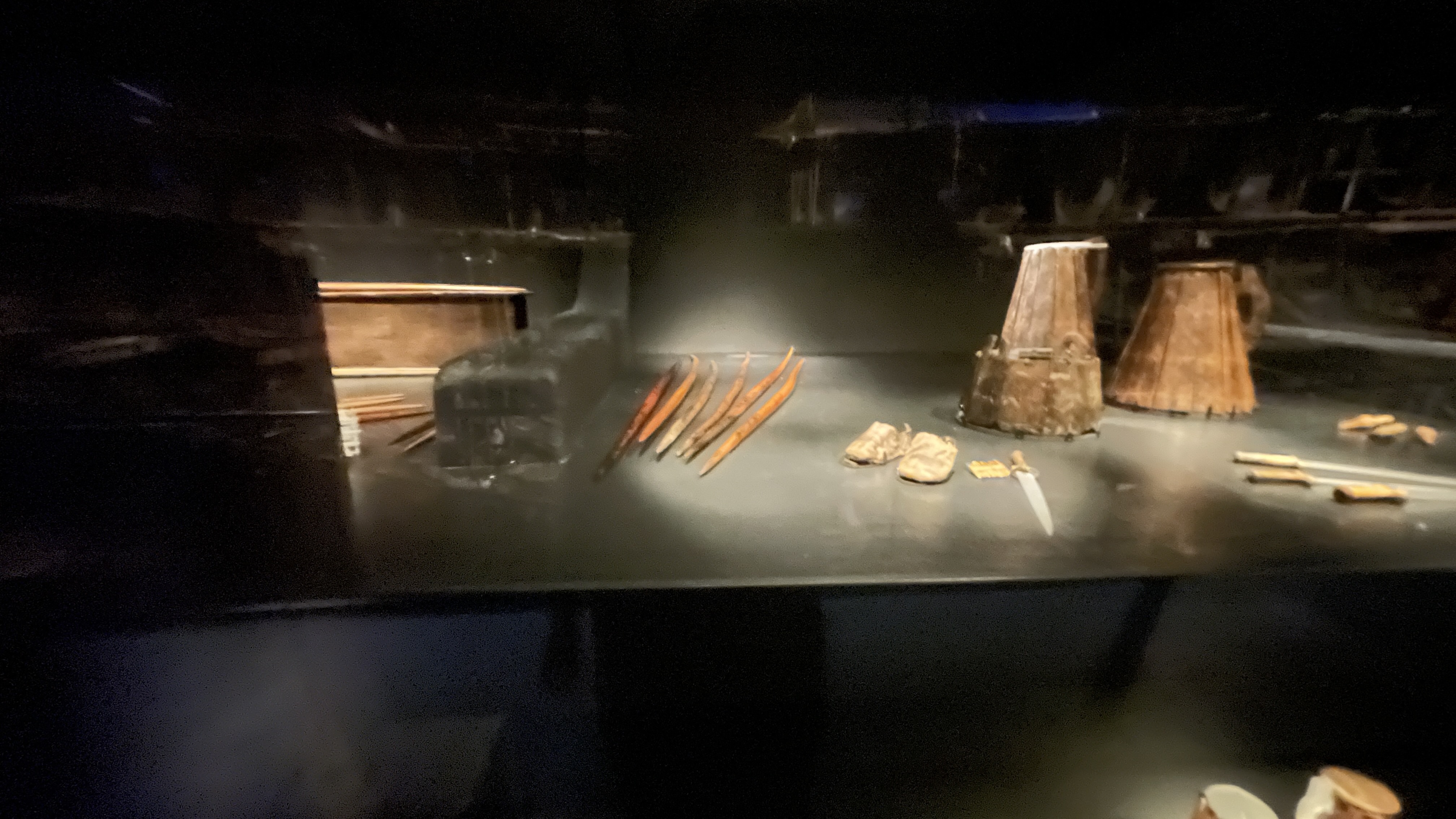
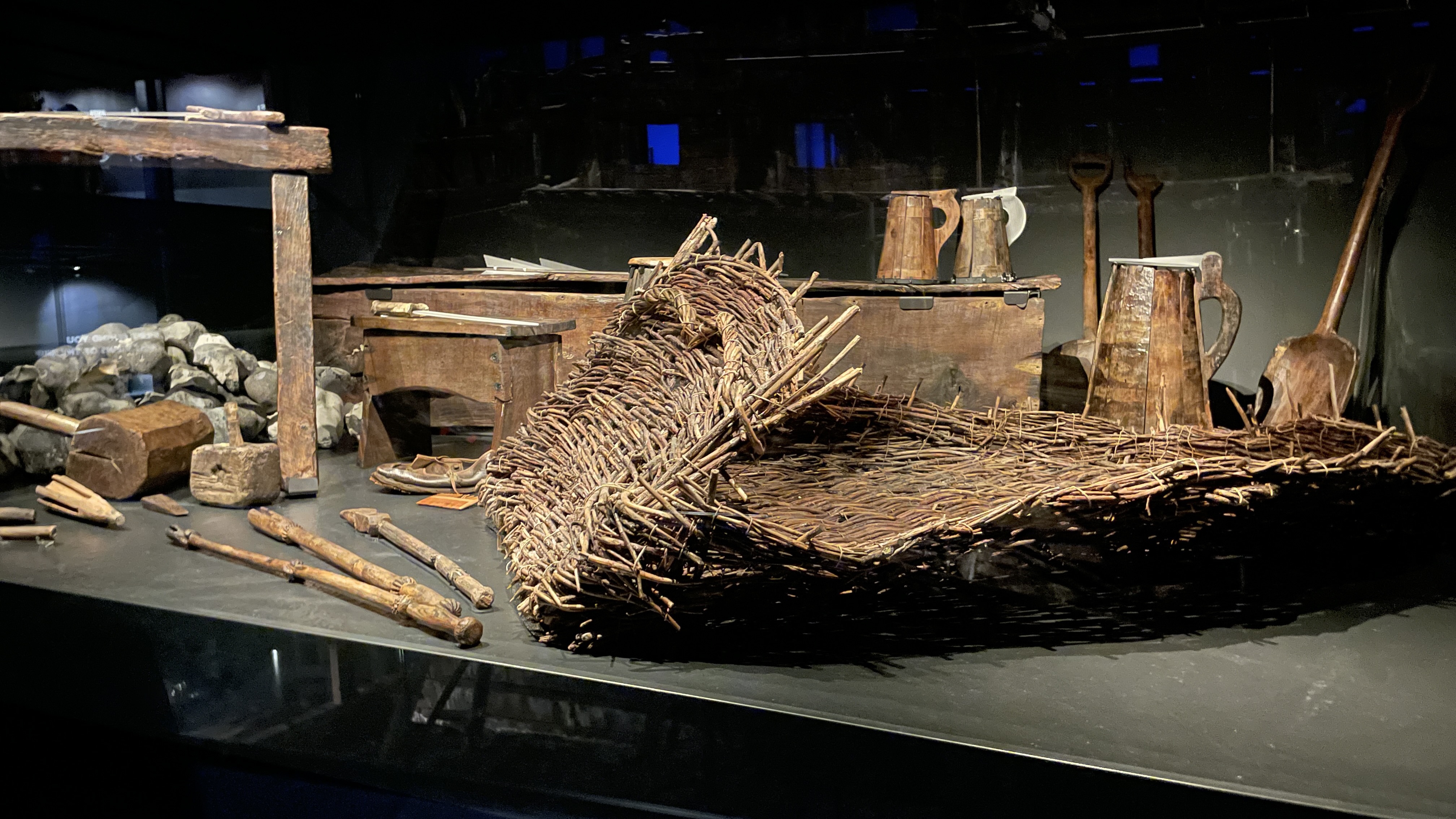
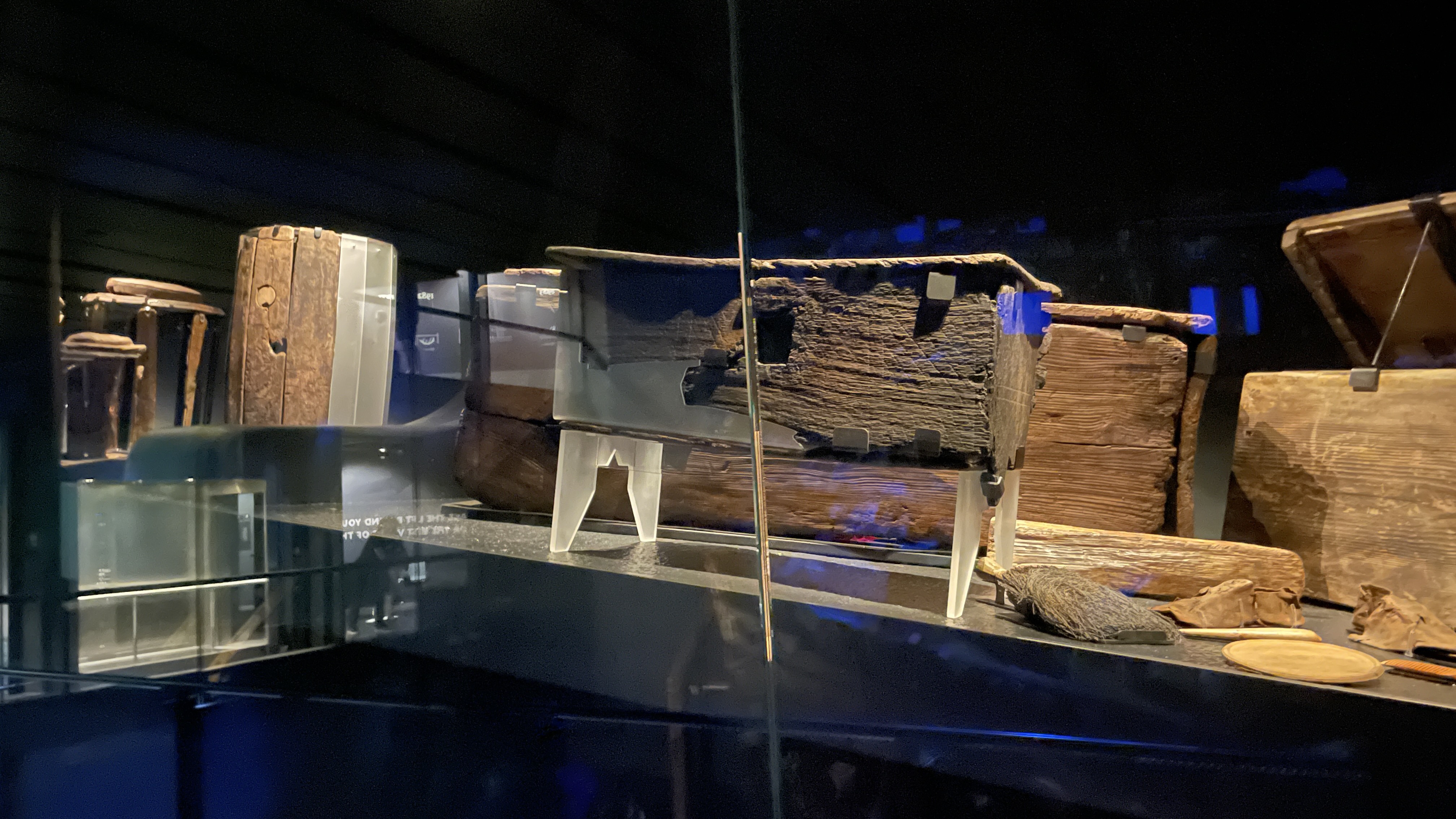
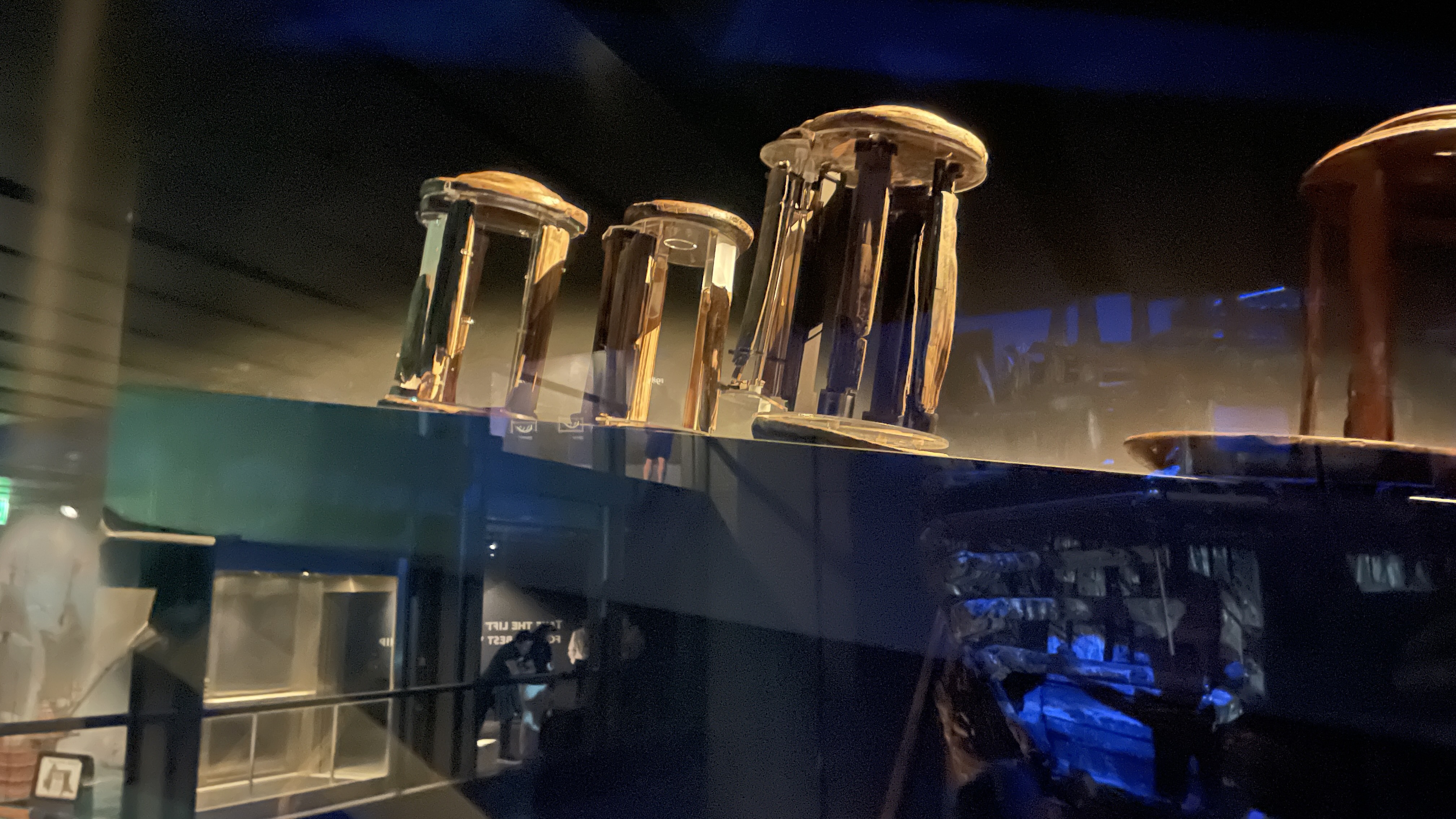
Inside are various galleries filled with artefacts recovered from the wreck, with the galleries surrounding a huge interior space that houses the ship itself. It takes a good couple of hours to get through the whole museum, but is well worth the time.
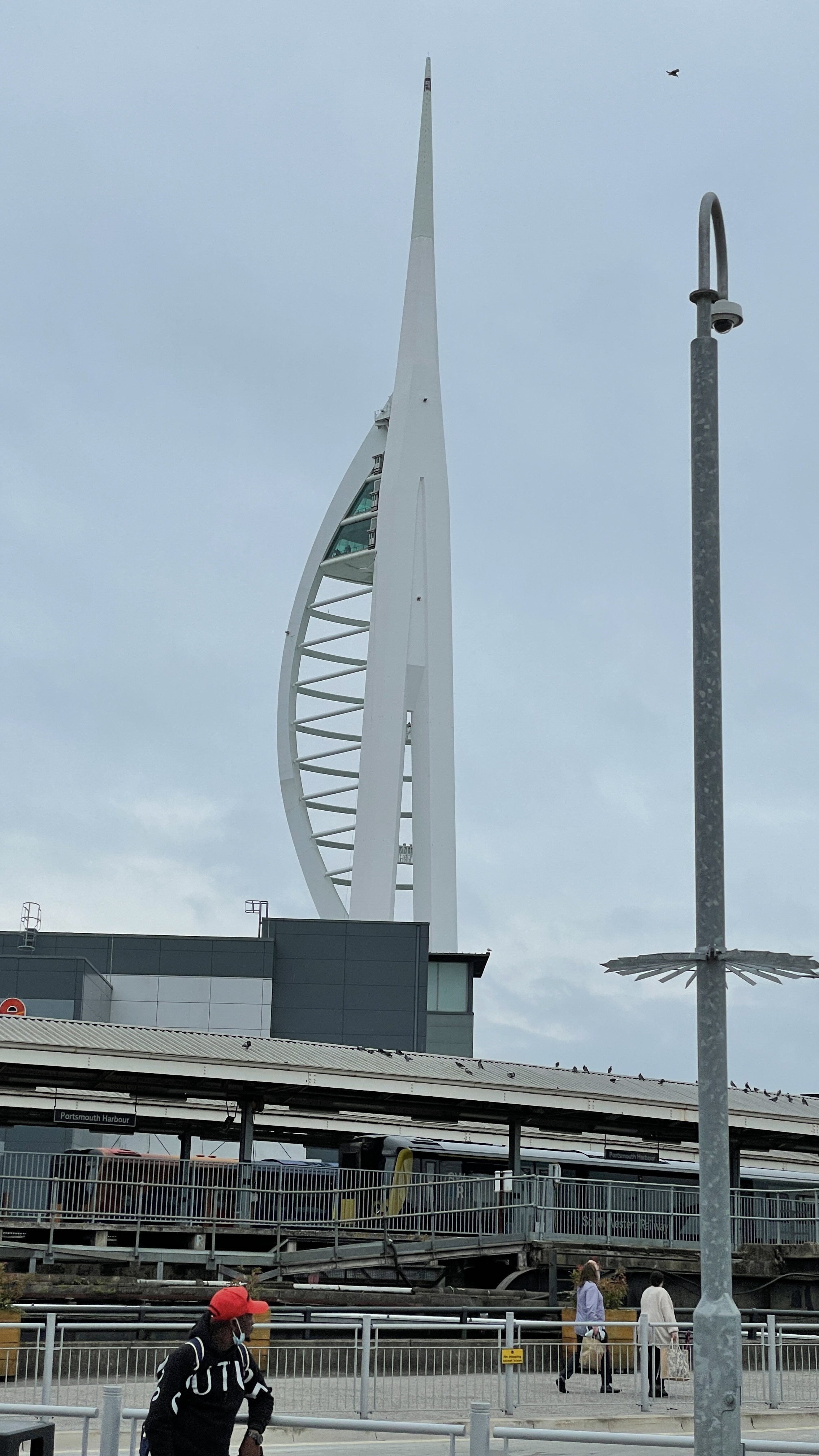
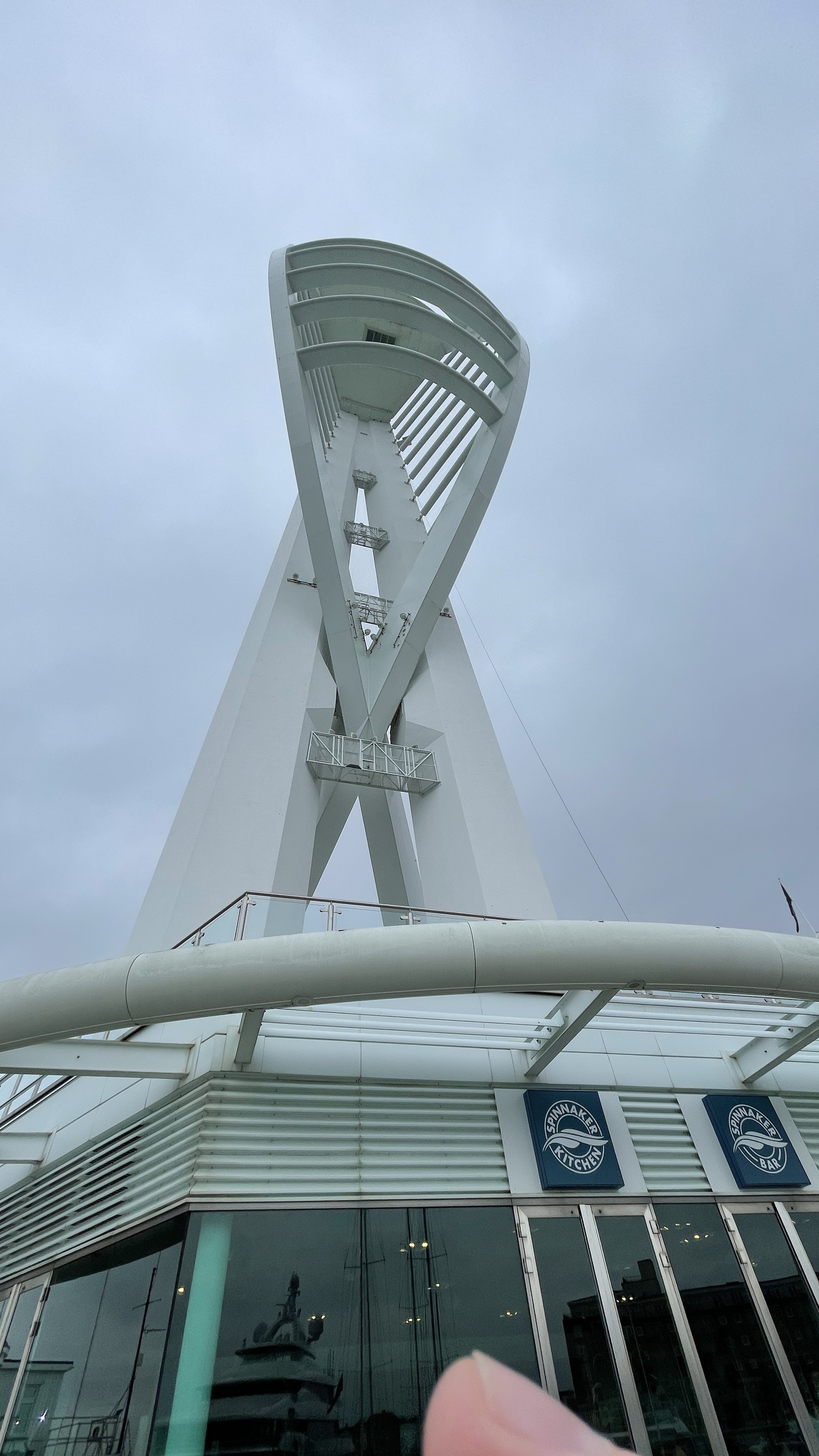
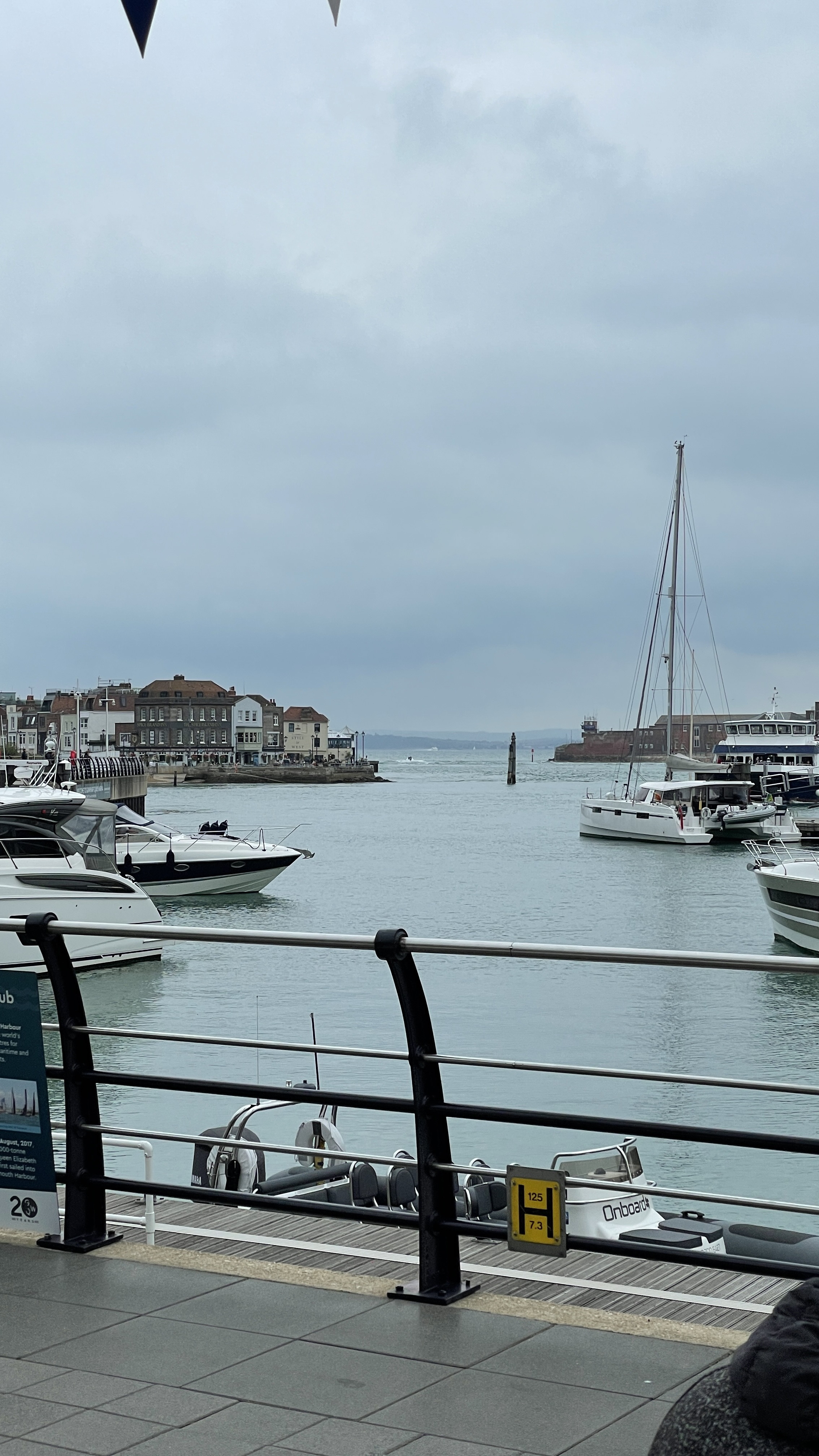
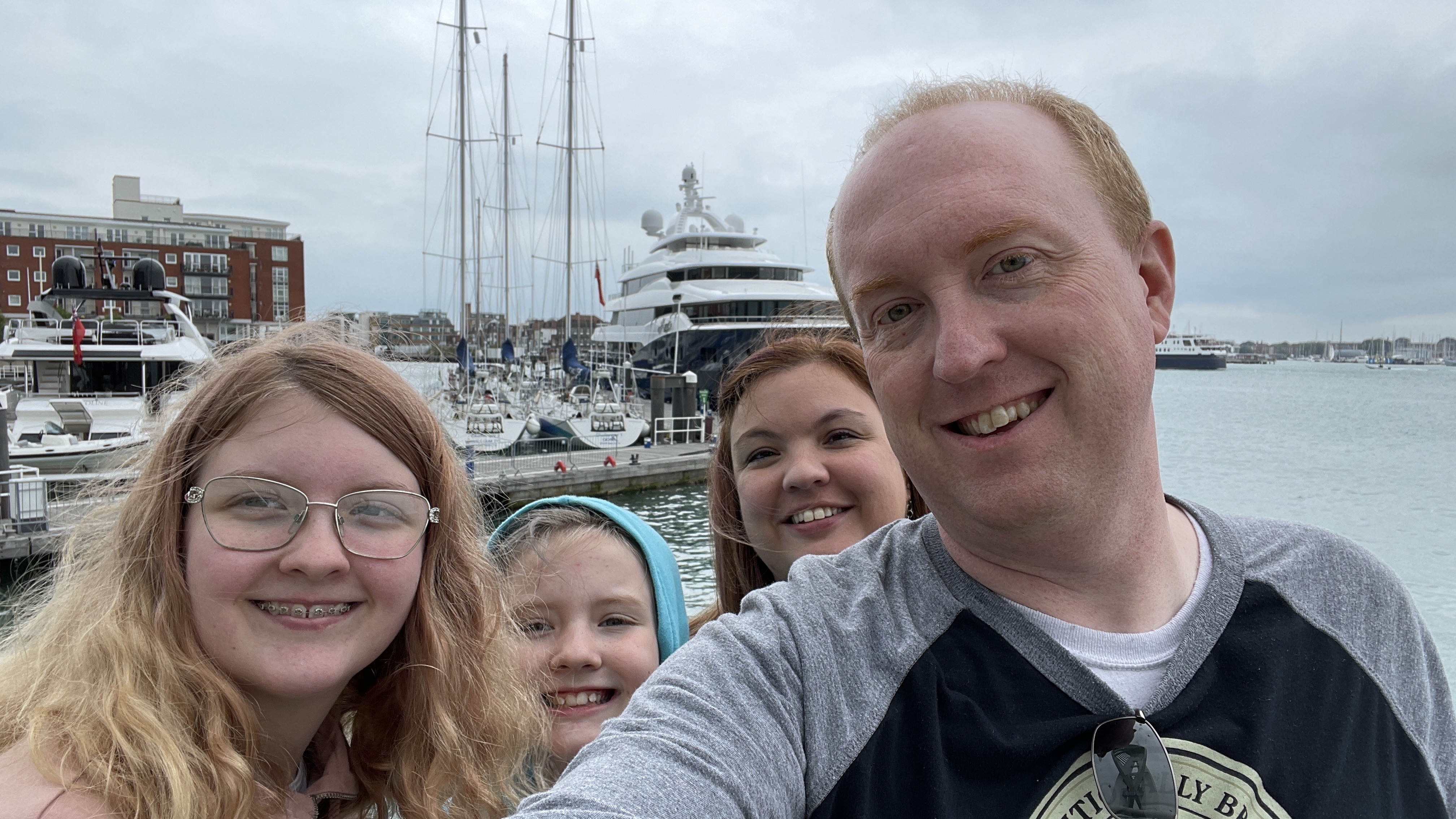
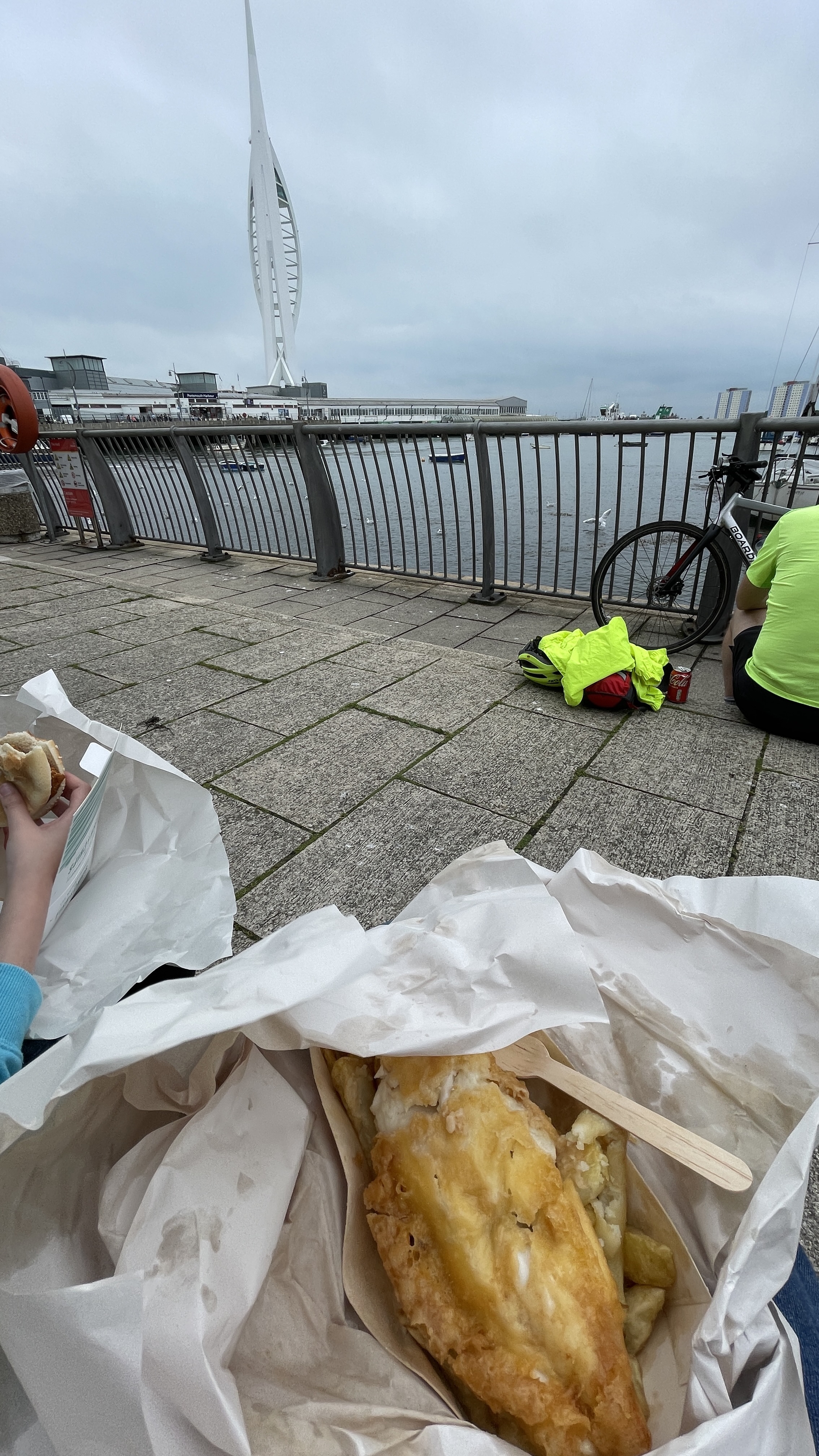
Afterwards, we wandered back out of the museum and had fish and chips overlooking the water before venturing into Gunwharf Quay, a local shopping district. The highlight of this area is Spinnaker Tower, a 560 foot observation tower overlooking the harbour. The views from the top are supposed to be spectacular, but honestly, the cost was more than we were willing to pay this trip.
This trip showed us just a fraction of Portsmouth. We hope to get back soon to see more of the Dockyards and then the historic city center.
There’s a saying that goes something like, “To an Englishman, 100 miles is a long way. To an American, 100 years is a long time.”
While we can debate the nuance of that, I think it definitely says something about how citizens of each country look at age and history. We are constantly astounded by the age of places that we encounter every day. Even just walking down the high street of a town like Godalming, a significant portion of the buildings are older than the United States.
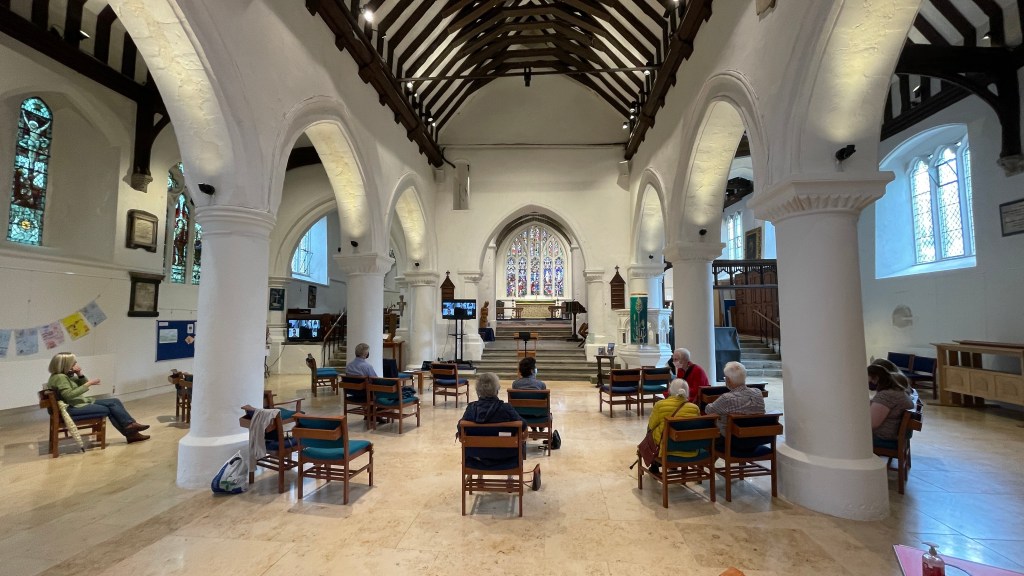
This really hit home today when I got to stand in a church that was built in 950 A.D. Over 1,000 years of the Gospel of Jesus Christ being proclaimed in this place and I got to stand in the same spot and add my voice to the history of that church.
St. Mary’s in Guildford was built on the site of a previous wooden church that possibly dates back to around 700. In 950, the tower was built to replace that wooden church.
This square is the tower, the oldest part of the church. If you look closely, you can see the wear pattern of hundreds of years of priests standing in the center.
About a hundred years later, the current nave (the part where the congregation sits) was added.
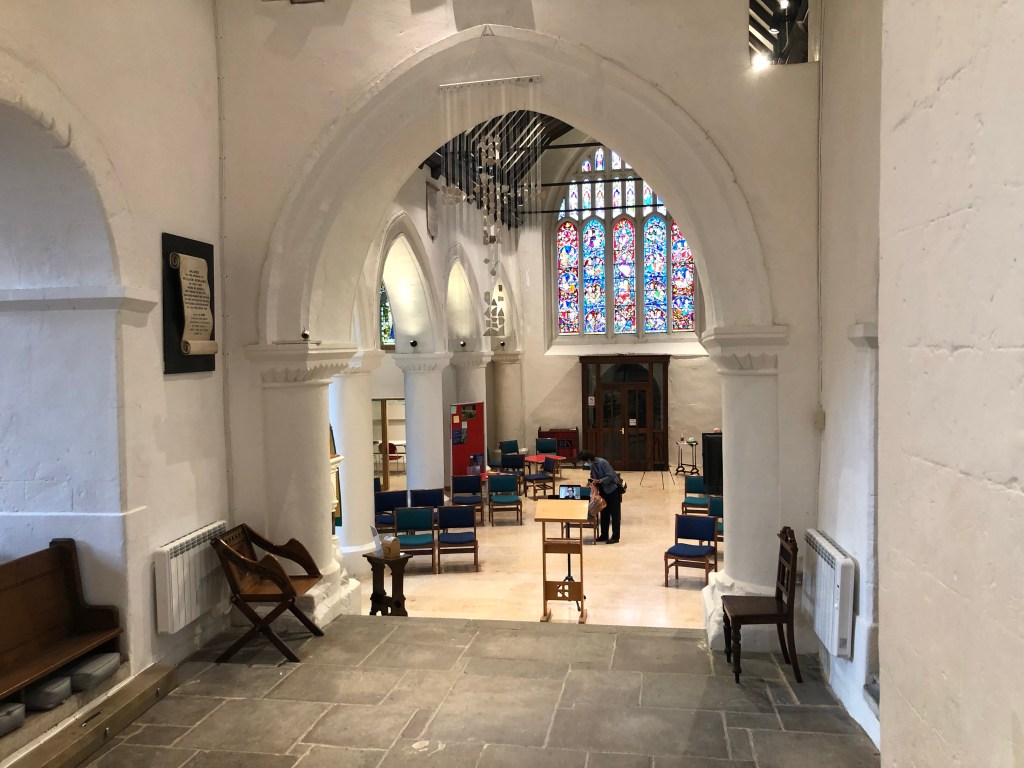
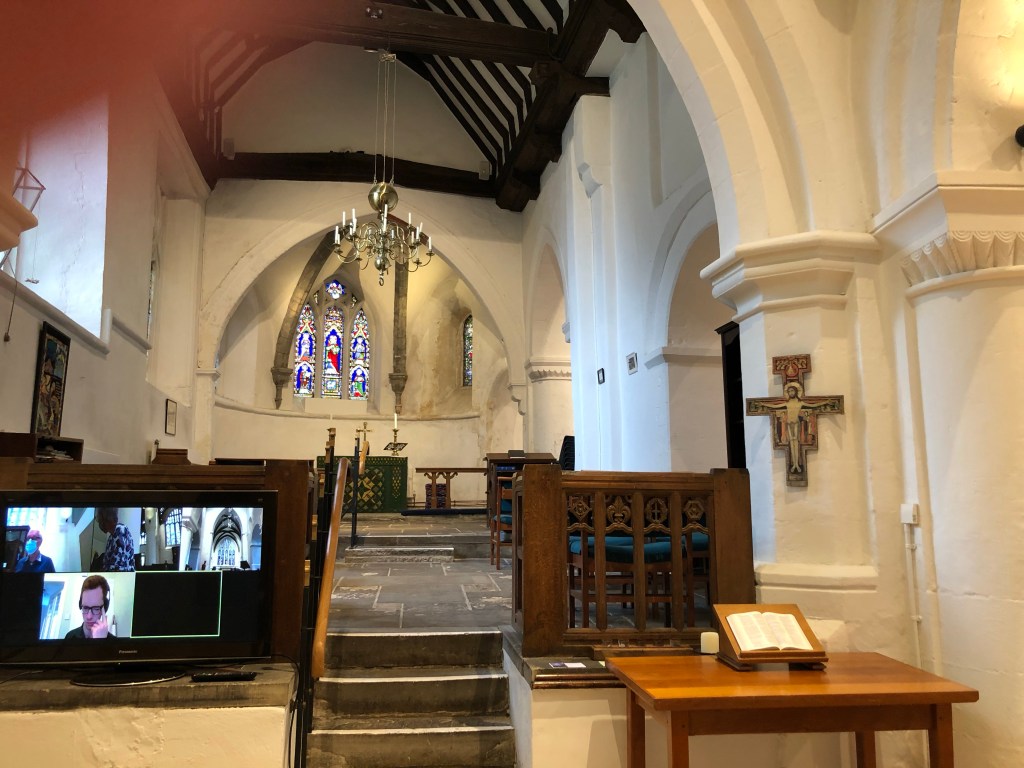
The chancel, where the altar sits, dates from the early 1200’s. The window above it is from the second half of the 19th century and shows the five most important events of Jesus’ life.
High Altar with East Window
There are smaller chapels on either side of the altar. St. John’s, to the left, was added around 1180. One of the tragedies of the Reformation, and later the Puritan movements, in England was a removal of some of the beautiful artwork in medieval churches. In St. Mary’s, this is illustrated by the whitewash that covers all the walls and columns, added during the Victorian era. On the arch at the far end of the chapel, the whitewash has been removed, allowing the decoration underneath to show, but unfortunately my picture of it turned out blurry. The chandelier you see was given to the church by Muslim soldiers at the beginning of World War I. You can find that story Here.
Besides a new entryway, with facilities, built in 2019, the NEWEST part of the church, the aisles, were finished around 1250.
To be able to preach in such a place is humbling. I’m not sure anyone over here really “gets” it, but to me, this morning will go down with my ordination and my induction services as a worship service I will always remember.
There were 100 interesting details to the church and I’ve included pictures of a few of them below.
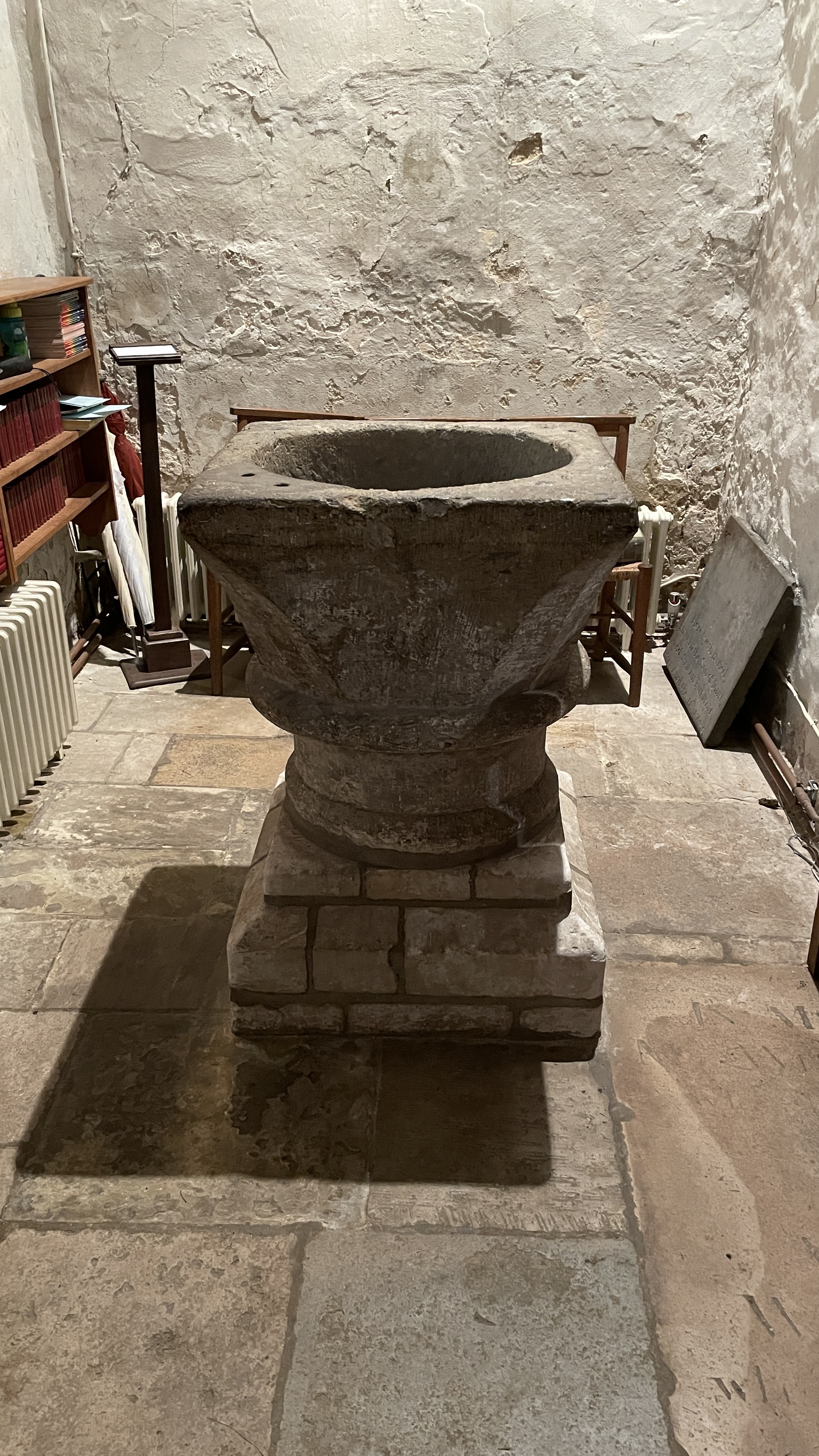
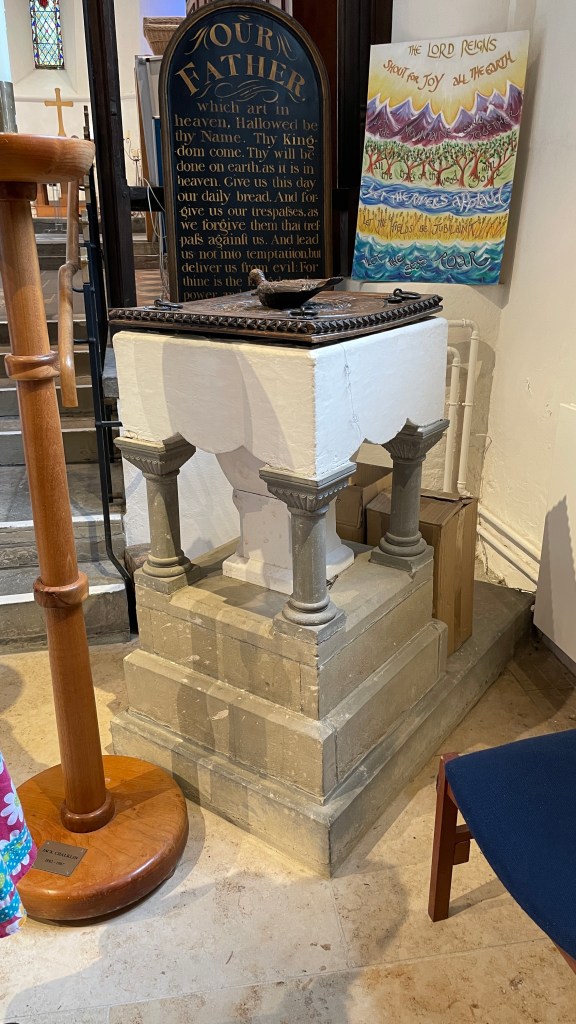
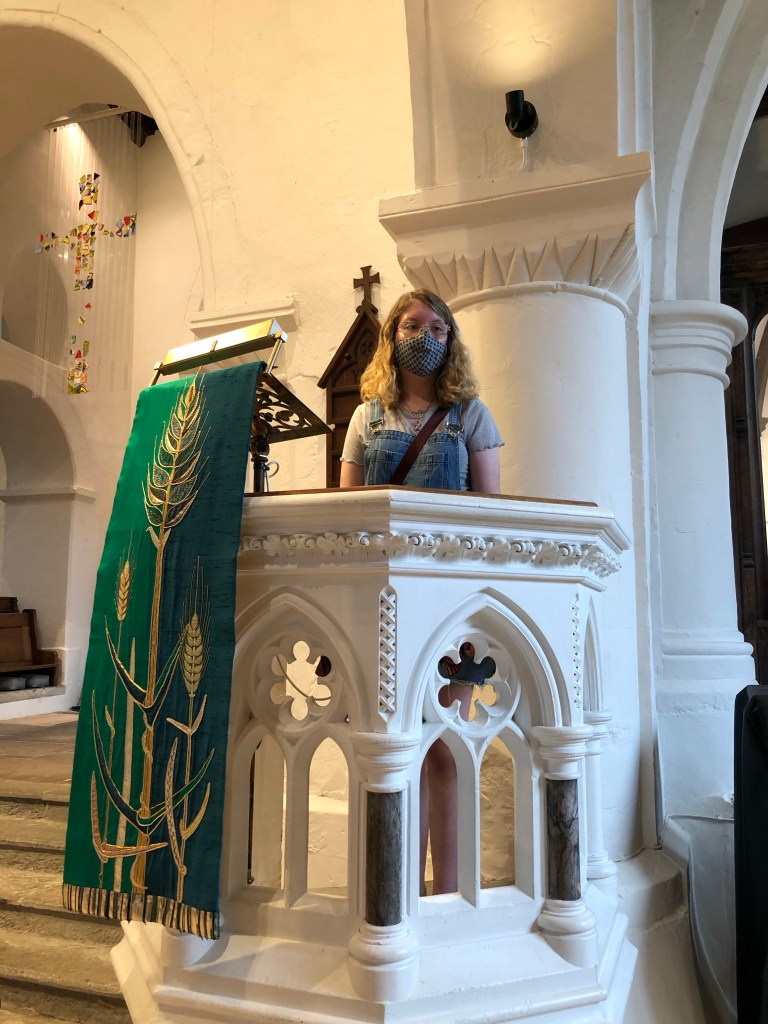
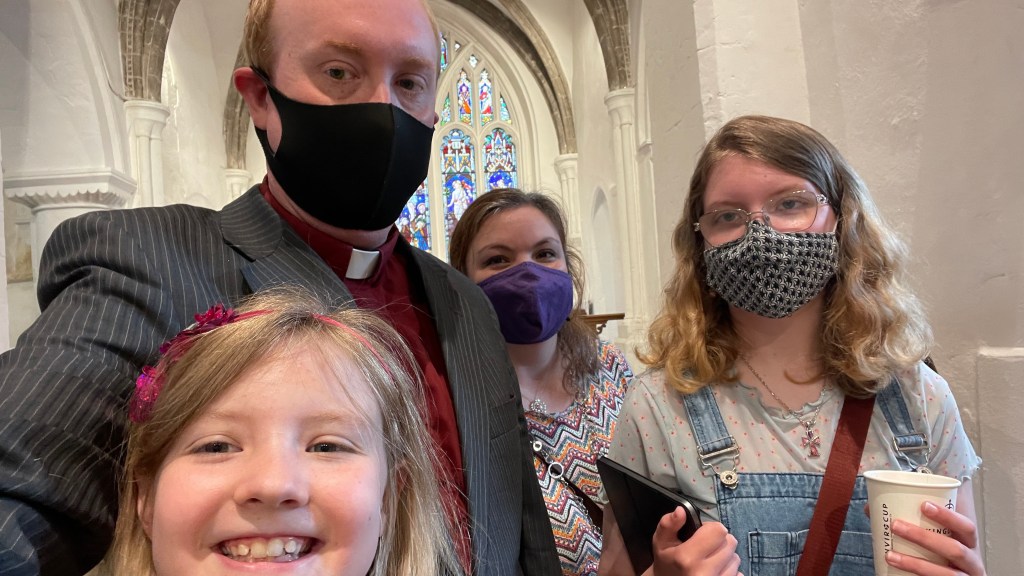
Blurry picture, but this is a 12th century piscina, which is a bowl for washing Communion vessels.The Victorian baptismal font. The old style pulpit. We had Lizzy pose in it as it was preached from by Lewis Carroll, the author of Alice in Wonderland, which is one of her favourite stories. Finally, our mandatory selfie, standing under the tower with the East window in the background.






 Payne Family Live